

Colombian Shark Catfish Care Guide: Ariopsis Seemanni Brackish Schooler
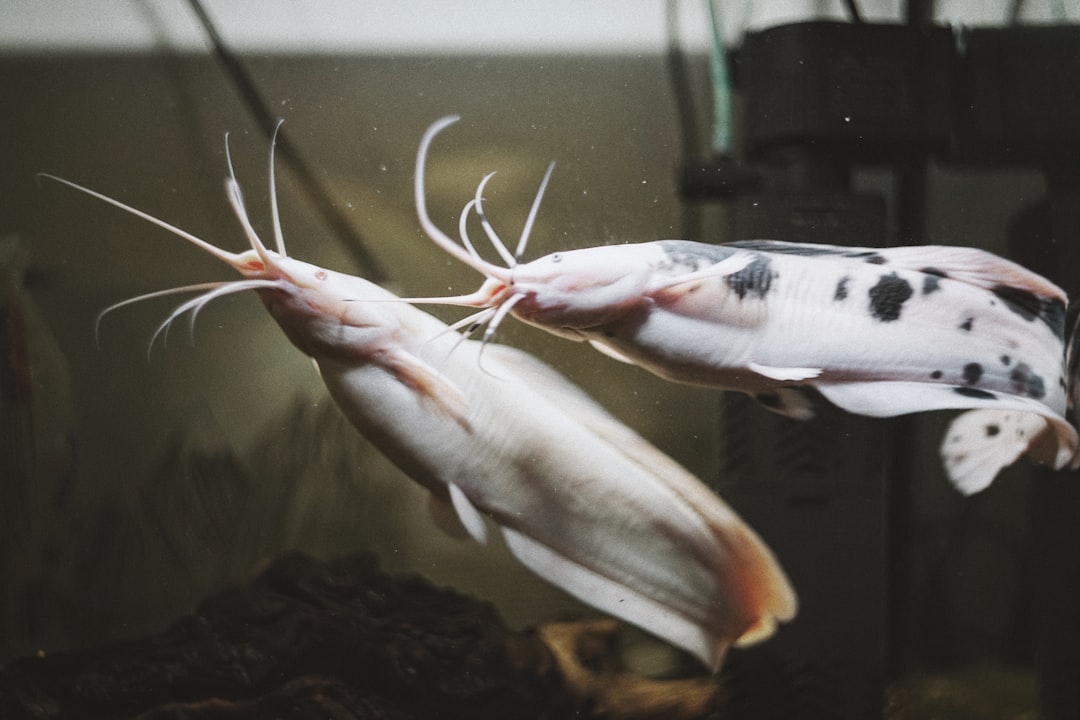
Sold as a sleek 5 cm juvenile in freshwater tanks, the Colombian shark catfish grows into a robust 30 cm brackish-to-marine predator that most buyers never planned for. This Colombian shark catfish care guide from Gensou Aquascaping at 5 Everton Park, Singapore aims to bridge that knowledge gap before purchase, not after. Ariopsis seemanni is a genuinely rewarding species when given proper space and progressively saltier water, but impulse buys lead to stunted, stressed fish in undersized freshwater tanks across the hobby.
Species Overview
Ariopsis seemanni hails from Pacific coastal rivers and estuaries stretching from Mexico to Peru. In the wild, juveniles inhabit freshwater river mouths before migrating to full marine conditions as adults. The species belongs to the sea catfish family Ariidae, which explains its need for salt as it matures. Its streamlined, shark-like profile — complete with a high dorsal fin and forked tail — gives it the common name, though it bears no relation to actual sharks. Healthy specimens display an iridescent silver body with a darker dorsal surface.
Tank Requirements
Plan big from the start. A single adult needs at least 300 litres, and since these are obligate schoolers, a group of four demands 500 litres minimum. Tanks should be long — 150 cm or more — with open swimming lanes. Avoid cluttering the midwater with dense hardscape. A sandy substrate protects their sensitive barbels, which they use constantly to probe for food. Smooth river stones and a few pieces of driftwood along the perimeter provide sufficient cover without restricting movement.
Salinity and Water Chemistry
Juveniles under 10 cm tolerate freshwater but benefit from light brackish conditions at a specific gravity of 1.003-1.005. Gradually raise salinity as the fish grows: sub-adults of 15-20 cm should be at 1.010-1.015, and full adults thrive at near-marine levels of 1.018-1.025. Use a reliable refractometer to measure, and pre-mix replacement water with marine salt to the exact same reading before water changes. PUB tap water, once dechlorinated, makes a perfectly adequate base. Maintain pH at 7.5-8.3 and temperature between 24 and 28°C.
Feeding a Growing Predator
Colombian shark catfish are opportunistic carnivores with impressive appetites. Juveniles readily accept sinking pellets, frozen bloodworms and brine shrimp. As they grow, introduce chopped prawns, mussel meat, whitebait and quality carnivore pellets. Feed once or twice daily, offering only what the group consumes within three to four minutes. Overfeeding fouls brackish water rapidly, and these catfish produce substantial waste even under controlled feeding. Supplement with occasional vegetable matter — blanched courgette or spirulina wafers — to round out the diet.
Social Behaviour
Never keep a Colombian shark catfish alone. Solitary individuals pace endlessly, refuse food and often develop stress-related infections. Groups of four or more settle quickly and display natural schooling behaviour, cruising the tank in formation. Aggression within the group is rare, limited to brief chases during feeding. Suitable tankmates at brackish salinities include monos (Monodactylus spp.), scats (Scatophagus argus), and large brackish gobies. Avoid small fish — anything under 5 cm is potential prey once these catfish reach adult size.
Venomous Spines
Handle with care. Ariopsis seemanni possesses sharp, mildly venomous spines on its dorsal and pectoral fins. A sting produces immediate, intense pain and localised swelling that can last several hours. Use a thick, wet towel if you ever need to handle the fish, and always move slowly when performing maintenance. The spines lock erect when the catfish feels threatened, so cornering one during a tank rearrangement is the riskiest scenario.
Long-Term Commitment
These catfish live 10-15 years in good conditions. The most common failure point is stalling the salinity progression — keeping adults in freshwater or light brackish water leads to chronic osmotic stress, barbel erosion and shortened lifespan. If you cannot commit to eventually maintaining a large brackish or marine system, this species is not the right choice. Budget for a 500+ litre setup, quality marine salt (roughly $30-50 per bucket on Shopee or Lazada), and a powerful external canister filter rated for the full tank volume.
Purchasing Tips
Colombian shark catfish appear regularly in Singapore shops, often priced at just $3-8 per juvenile. That low price belies the long-term investment required. Choose specimens with intact, straight barbels and clear eyes. Reject any fish with clamped fins or white patches on the skin. Buy your group of four to six at once from the same batch to reduce quarantine complications. With the right colombian shark catfish care guide and a serious commitment to tank size and salinity, Ariopsis seemanni becomes a centrepiece species with genuine personality.
Related Reading



