
Nerite Snail Care Guide: Algae-Eating Snails That Will Not Overbreed
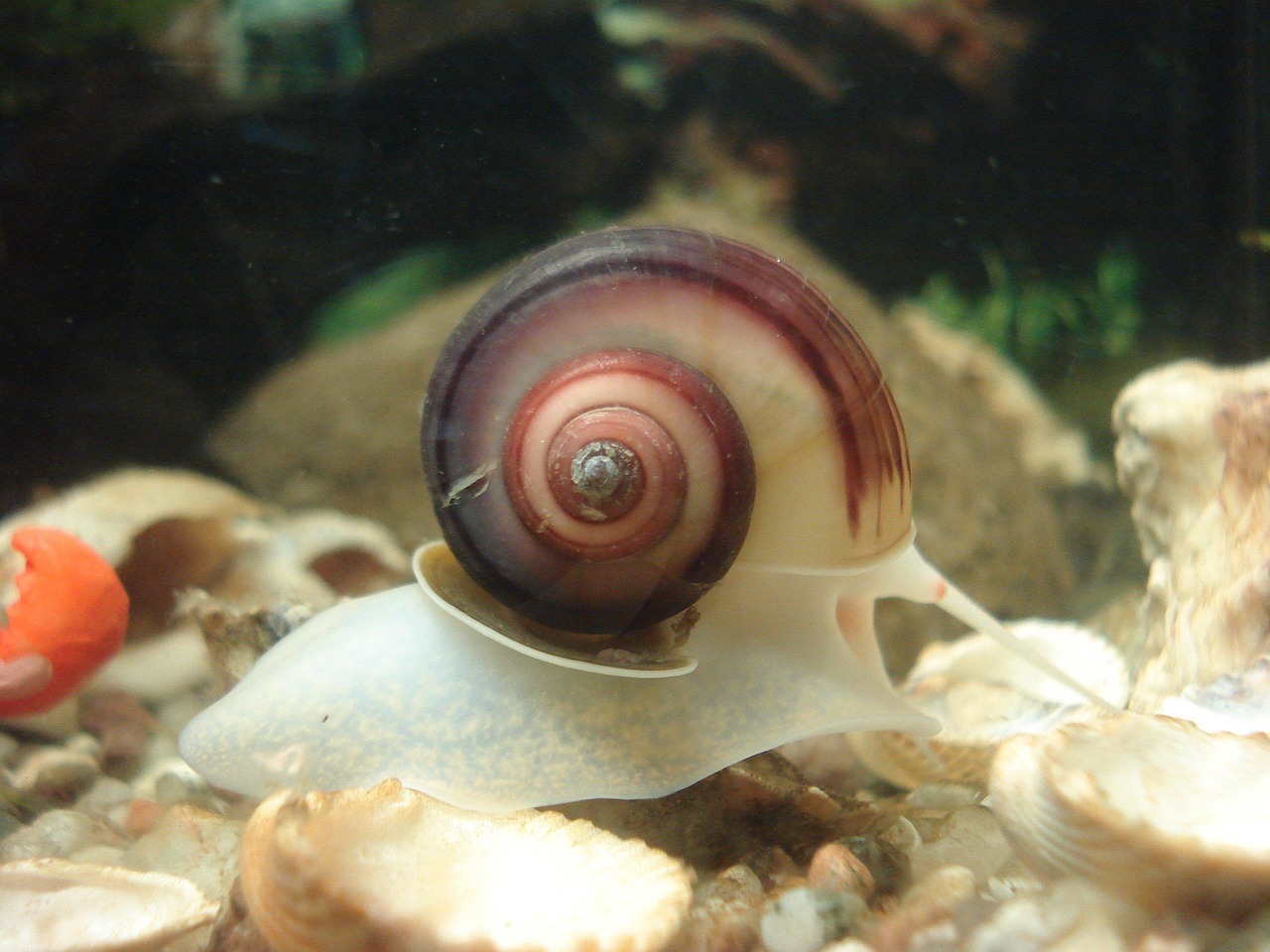
Few freshwater invertebrates earn their keep quite like the nerite snail. A single specimen can strip green spot algae from hardscape that no shrimp or fish will touch, and unlike many snail species, nerites will not fill your tank with hundreds of offspring. This nerite snail care guide freshwater draws on more than twenty years of planted tank experience here at Gensou Aquascaping, 5 Everton Park, Singapore, where we have kept and recommended nerites to hobbyists across every skill level.
Popular Nerite Species for Freshwater Tanks
The term “nerite” covers several species within the family Neritidae. In Singapore’s local fish shops, you will commonly find the zebra nerite (Neritina natalensis), recognised by its gold-and-black striped shell, and the horned nerite (Clithon corona), which sports small spikes along the shell ridge. Tiger nerites display irregular orange-brown patterns, while olive nerites (Vittina usnea) have a subdued dark green appearance that blends into natural aquascapes. All share the same basic care requirements, so choose whichever pattern appeals to you. Expect to pay between SGD 2 and SGD 5 per snail at most local shops along Sims Avenue or in Clementi.
Tank Requirements and Water Parameters
Nerites are small, typically reaching 2 to 3 cm in shell diameter, so even a 20-litre nano tank can house two or three comfortably. They do best in stable, mature aquariums with established biofilm and algae growth. Singapore’s PUB tap water is naturally soft at GH 2 to 4, which presents a mild challenge because nerites need calcium for shell integrity. Adding a piece of cuttlebone, crushed coral in the filter, or a mineral supplement such as Salty Shrimp GH+ raises general hardness to around GH 6 to 8, which prevents shell erosion over time.
Temperature is rarely an issue in our climate. Nerites thrive between 22 and 28 degrees Celsius, and most Singapore tanks sit at 26 to 30 degrees without a chiller. They tolerate the upper range well, though above 30 degrees you should ensure good oxygenation through surface agitation. Maintain pH between 7.0 and 8.2, and keep ammonia and nitrite at zero. Nerites are sensitive to copper, so avoid medications containing copper sulphate.
Algae Diet and Supplemental Feeding
The primary reason hobbyists keep nerites is algae control. They graze relentlessly on green spot algae, green dust algae, diatoms, and soft film algae. A single zebra nerite can visibly clear the glass of a 60-litre tank within a week. However, they will not eat black beard algae or staghorn algae, so do not expect miracles with every algae type.
In very clean tanks with minimal algae, nerites may slowly starve. Supplement their diet with blanched vegetables such as cucumber or courgette slices, algae wafers, or spirulina tablets. Place the food near the substrate in the evening and remove uneaten portions the next morning to avoid water quality issues.
Why Nerites Will Not Overbreed in Freshwater
This is the single greatest selling point for aquascapers. Nerite snails lay small white eggs on hard surfaces, including driftwood, stones, and glass. These eggs are infamously persistent and can be unsightly, but they will not hatch in freshwater. Nerite larvae require brackish or full marine conditions to develop. So while you may need to scrape off the occasional egg cluster with a razor blade, you will never face a population explosion. For hobbyists in HDB flats running compact setups, this predictability is invaluable.
Behaviour and Tank Mates
Nerites are peaceful, slow-moving grazers that ignore fish, shrimp, and other invertebrates entirely. They pair well with community fish, Neocaridina shrimp, and other snail species. Avoid housing them with known snail predators such as pea puffers, assassin snails, or large loaches. Nerites are notorious escape artists, particularly in open-top tanks. A tight-fitting lid or lowering the water level by 3 to 4 cm below the rim helps prevent midnight adventures onto your living room floor.
Shell Health and Common Issues
Shell pitting and erosion are the most common problems, almost always caused by low mineral content. In Singapore’s soft tap water, this is a recurring concern. Regularly test GH and ensure it stays above 6. If you notice white patches or thinning on the shell apex, increase calcium supplementation immediately. Shells cannot regenerate lost material, but you can prevent further damage.
Occasionally a nerite may remain inactive for a day or two. This is normal, especially after a water change or introduction to a new tank. If a snail has not moved for more than 48 hours, gently lift it and smell the opening. A strong foul odour indicates death, and the snail should be removed promptly to avoid an ammonia spike.
Acclimation Tips for Singapore Hobbyists
When bringing nerites home, drip acclimate them over 30 to 45 minutes. PUB water is chloramine-treated, so always dechlorinate before use. If you are adding nerites to a newly set-up tank, wait at least four to six weeks until the nitrogen cycle is complete and some algae has begun to grow. A pristine new tank offers nothing for them to eat.
Are Nerites Right for Your Tank?
For anyone seeking a low-maintenance, effective algae crew that will not overrun the aquarium, this nerite snail care guide freshwater points to an obvious conclusion: nerites are among the safest invertebrate choices available. They work brilliantly in planted tanks, Iwagumi layouts, and community setups alike. Drop by Gensou Aquascaping to see our selection and get advice tailored to your specific tank conditions. With just a small calcium boost to our local water, nerites will reward you with spotless glass and characterful behaviour for two to three years.
Related Reading
- Why Nerite Snails Won’t Breed in Freshwater: The Full Explanation
- Horned Nerite Snail Care Guide: Spiky Shells and Clean Glass
- Mystery Snail Care Guide: Pomacea Bridgesii Colour Varieties and Breeding
- Nerite Snail Species Comparison: Zebra, Tiger, Horned and Olive
- Nerite Snail vs Mystery Snail: Algae Eating, Size and Breeding



