
Kribensis Cichlid Care and Breeding: Pelvicachromis Pulcher in Planted Tanks
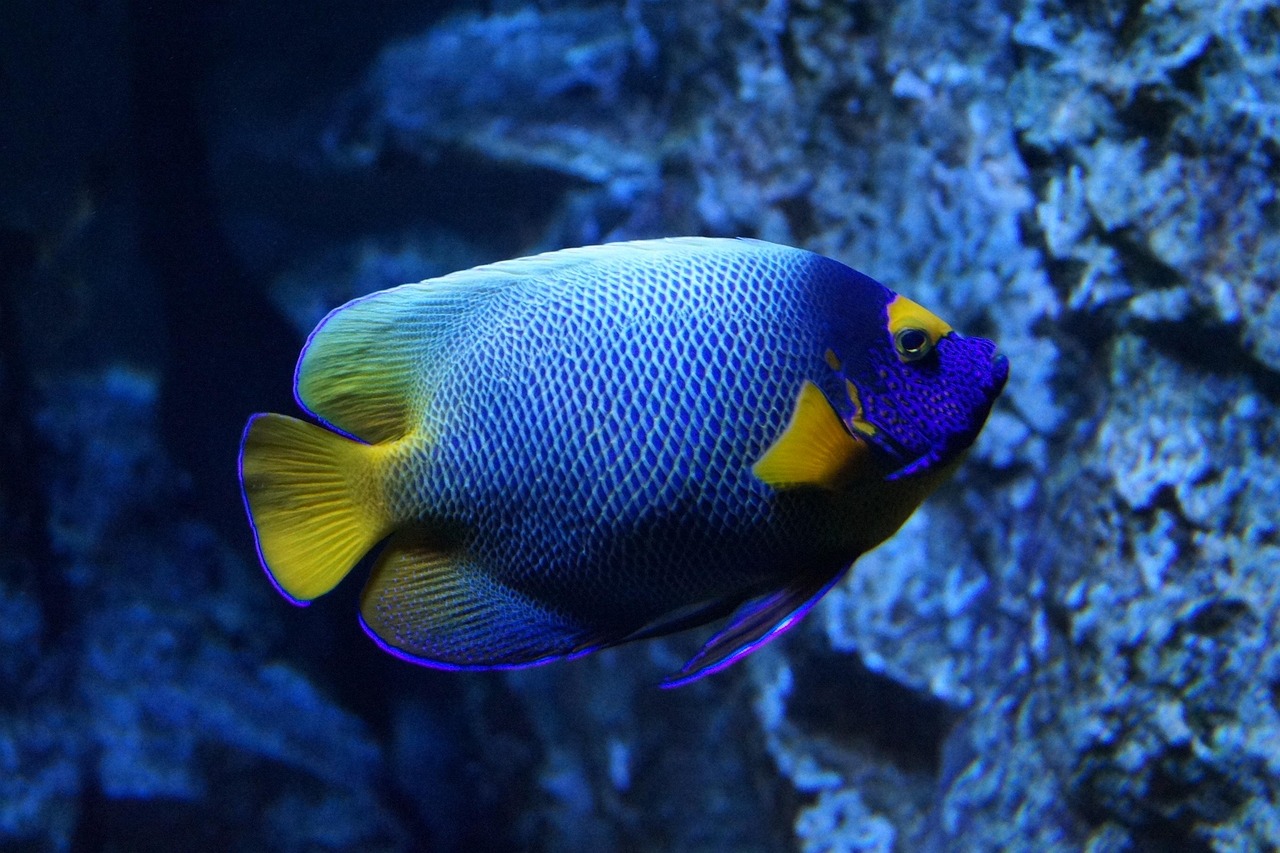
The kribensis — Pelvicachromis pulcher — has been a staple of the freshwater hobby since the 1950s, and for good reason. Small, colourful, easy to breed and generally peaceful, it ticks almost every box for community-tank keepers and planted-tank enthusiasts alike. This kribensis cichlid care breeding guide covers habitat, diet, spawning and fry care with a focus on keeping them successfully in Singapore. At Gensou Aquascaping, 5 Everton Park, Singapore, we have maintained kribs in planted displays for over a decade and they remain a firm customer favourite.
Species Overview
Pelvicachromis pulcher originates from coastal rivers and streams in Nigeria and Cameroon, where it inhabits both fresh and slightly brackish water. Males reach 8-10 cm; females are smaller at 6-7 cm but arguably more colourful, developing a vibrant cherry-red belly that deepens dramatically during breeding. Several regional colour morphs and selectively bred strains exist, including albino, super red and Nigerian red varieties.
Kribs are cavity spawners that pair-bond strongly. Both parents share egg-guarding and fry-rearing duties, making their reproductive behaviour one of the most engaging displays you can witness in a home aquarium.
Tank Setup
A bonded pair does well in a 60 cm (55-litre) tank. For a community setting with other species, 75-90 cm is preferable to give the pair a territory without dominating the entire space. Provide at least one cave per pair — coconut shell halves, small terracotta pots on their sides, or commercial ceramic caves are all suitable. Position the cave entrance facing the front glass so you can observe spawning and parental behaviour.
Substrate should be fine gravel or sand. Kribs dig shallow pits, especially near cave entrances, so plant robust species with strong root systems: Cryptocoryne, Anubias, Java fern and Vallisneria handle the occasional excavation well. Floating plants help diffuse overhead light and make the fish feel secure.
Water Parameters
Kribensis are remarkably adaptable. They accept pH 5.5-7.5, GH 2-15 and temperatures of 24-28 °C. Singapore’s PUB tap water (GH 2-4, pH ~7.0) sits comfortably within this range, requiring no adjustment beyond standard chloramine-neutralising treatment. This adaptability is one reason kribs remain so popular with beginners — they thrive in conditions that would stress more delicate dwarf cichlids.
An interesting quirk: water pH influences the sex ratio of fry. Slightly acidic water (pH 6.0-6.5) tends to produce more females, while neutral to slightly alkaline water (pH 7.0-7.5) produces more males. If you are breeding with a specific ratio in mind, adjust pH during the egg-incubation period.
Diet and Feeding
Kribs are true omnivores. A good-quality flake or micro pellet forms the staple, supplemented with frozen bloodworms, brine shrimp and daphnia two to three times weekly. They also graze on algae and biofilm, picking at surfaces throughout the day. Blanched courgette or spinach is accepted enthusiastically.
To condition a pair for breeding, increase the proportion of live and frozen protein-rich foods for two weeks. Grindal worms and freshly hatched baby brine shrimp are particularly effective. Feed twice daily in small portions — kribs tend to eat steadily rather than gorging.
Tank Mates
Outside of breeding season, kribensis cichlid care breeding concerns are minimal in a community context. They coexist peacefully with tetras, rasboras, Corydoras, otocinclus and small peaceful barbs like cherry barbs. However, once a pair begins guarding eggs or fry, they become territorial within a 30-40 cm radius of the cave. In a well-planted 90 cm tank, this rarely causes serious problems — other fish simply learn to avoid the defended zone.
Avoid housing kribs with other cave-spawning cichlids or aggressive bottom-dwellers. Two pairs of kribs in the same tank require at least 90 cm of length and multiple caves placed at opposite ends.
Breeding Step by Step
Breeding kribensis is one of the easiest cichlid breeding projects in the hobby. A bonded pair — usually formed naturally from a group of juveniles — will spawn readily once mature at six to eight months of age. The female initiates courtship by displaying her swollen red belly and vibrating near the cave entrance.
The female lays 100-300 adhesive eggs on the cave ceiling or walls. Both parents guard the clutch, with the female spending most of her time inside the cave fanning the eggs while the male patrols outside. Eggs hatch in three to four days at 26-27 °C. The wrigglers remain in the cave for another four to five days until their yolk sacs are absorbed.
Once free-swimming, fry emerge from the cave in a tight school, shepherded by both parents. This is the most rewarding phase — the parents communicate with body movements and fin signals, herding the fry back into formation if they stray. Feed the fry freshly hatched baby brine shrimp from day one of free-swimming. They grow quickly and reach 1-2 cm within a month.
Fry Rearing and Grow-Out
In a community tank, some fry loss is inevitable as other fish pick off stragglers. If you want to maximise survival, move the fry (or the entire cave with parents) to a separate 30-40 cm grow-out tank with a sponge filter and daily 10-15 percent water changes. Transition from baby brine shrimp to crushed micro pellets and frozen cyclops at three to four weeks.
Juvenile kribs develop colour gradually. Males show dorsal fin extensions and brighter blue edging by eight weeks; females begin displaying the red belly patch at a similar age. By three months, young fish are 3-4 cm and ready for new homes.
Health Considerations
Kribs are hardy, but no fish is immune to poor husbandry. Maintain weekly water changes of 25-30 percent and keep the substrate clean. Watch for white spot (ich), which can flare after sudden temperature drops — a risk in heavily air-conditioned rooms in Singapore. A stable temperature of 26-27 °C prevents most outbreaks. Quarantine new fish for two weeks before introducing them to an established tank.
For healthy, locally bred kribensis pairs, spawning caves and live food cultures, visit Gensou Aquascaping at 5 Everton Park. These charming little cichlids are an excellent choice whether you are setting up your first planted tank or adding personality to an established community.
Related Reading



