
Mystery Snail Care Guide: Pomacea Bridgesii Colour Varieties and Breeding
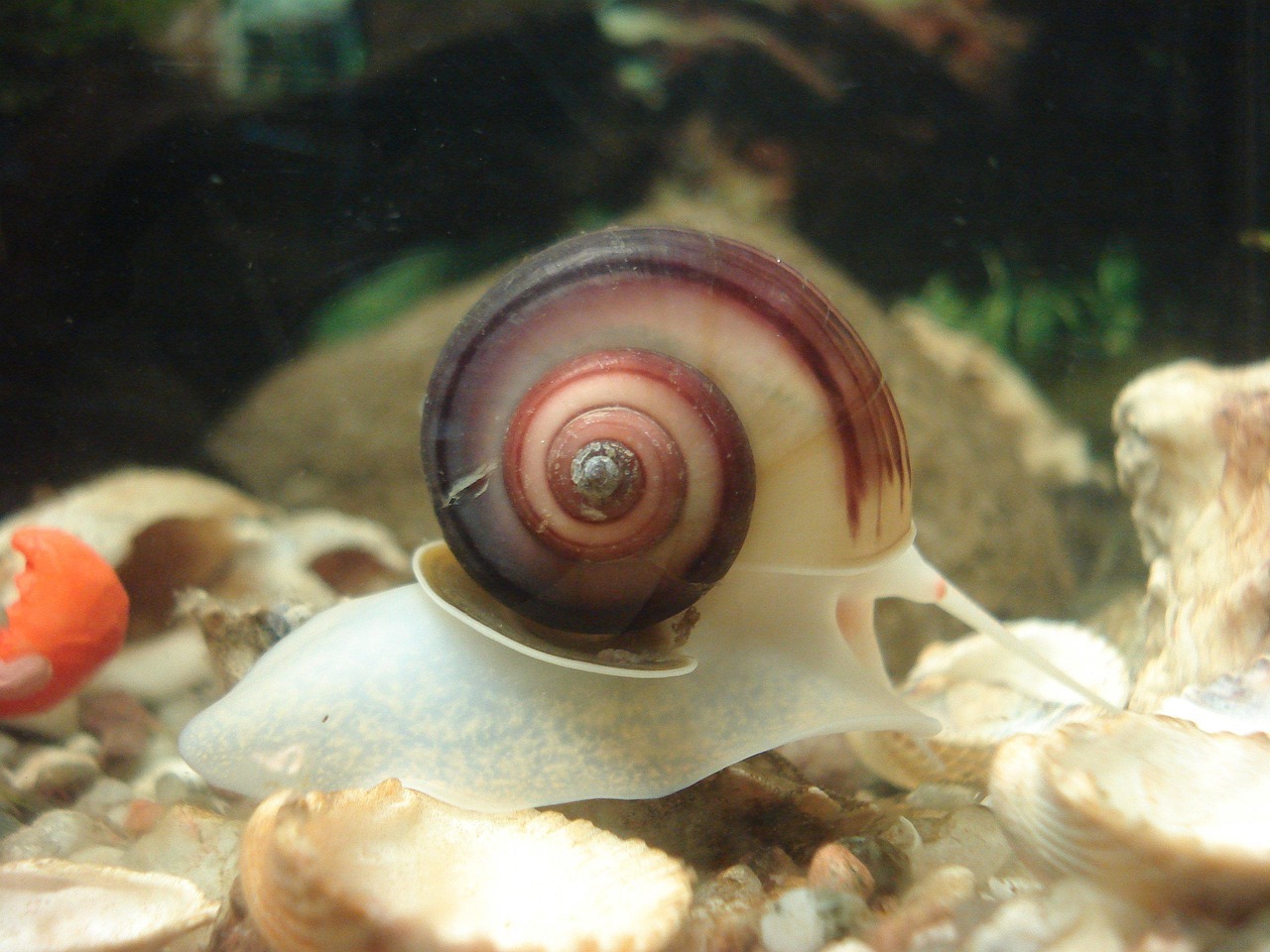
With their round, apple-sized shells and curious habit of extending a long siphon to breathe at the surface, mystery snails have charmed freshwater hobbyists for decades. Pomacea bridgesii, the species most commonly sold in Singapore, comes in a remarkable range of colour morphs and is one of the few snails that will not devour live plants. This mystery snail care guide freshwater covers everything from colour genetics to breeding, drawing on our experience at Gensou Aquascaping, 5 Everton Park, Singapore.
Colour Varieties Available in Singapore
Mystery snails are bred in numerous colour combinations determined by the shell pigment and the body pigment working independently. Gold mystery snails have a yellow shell with a dark body, while ivory specimens display a white shell paired with a white body. Blue mystery snails carry a translucent shell over a dark body, creating that distinctive steel-blue appearance. Magenta, jade, and chestnut morphs also appear in the local trade from time to time. Prices typically range from SGD 3 for common golds to SGD 8 or more for rarer morphs. Shops along Upper Thomson and in the Clementi area usually carry a decent selection.
Tank Size and Water Parameters
Mystery snails grow to roughly 5 to 6 cm in diameter, making them considerably larger than nerites. A single snail needs at least 20 litres, and each additional snail should add another 10 to 15 litres. They produce a moderate bioload, so filtration must keep up. Singapore’s ambient temperature of 28 to 32 degrees Celsius falls within their tolerable range of 20 to 28 degrees, though the upper end can shorten their lifespan from the typical one to two years down to about a year. If you run a chiller or keep your air conditioning at 24 to 25 degrees, mystery snails will be noticeably more active and longer-lived.
Water hardness matters greatly for shell development. PUB tap water at GH 2 to 4 is too soft for long-term shell health. Supplement with crushed coral, cuttlebone, or a remineraliser to bring GH to 8 or above. Maintain pH between 7.0 and 8.0, and keep ammonia and nitrite at zero. Mystery snails tolerate a wide KH range but prefer it above 4.
Diet and Feeding
Unlike many pest snail species, mystery snails are not aggressive plant eaters. They may nibble on dying or decaying leaves but will leave healthy plants alone, making them safe for planted aquascapes. Their primary diet should include high-quality sinking pellets, algae wafers, and blanched vegetables such as courgette, spinach, and cucumber. Calcium-rich foods like cuttlebone shavings and snello, a homemade snail jelly made from pureed vegetables and calcium powder, help maintain strong shells.
Feed once daily, offering only what they can consume within a few hours. Mystery snails are messy eaters that generate considerable waste, so avoid overfeeding. In a well-established tank with biofilm, they will also graze surfaces throughout the day.
Behaviour and Tank Mates
Mystery snails are gentle, inquisitive creatures. They often float at the surface by trapping air in their shells, then release the bubble to sink back down. This is normal behaviour, not a sign of distress. They extend a siphon tube above the waterline to breathe atmospheric air, which is why a small gap between the water surface and the lid is essential.
Compatible tank mates include community fish such as tetras, rasboras, corydoras, and small gouramis. Avoid aggressive species like cichlids or large loaches that may attack the snail’s soft body. Crayfish are also a poor choice. Neocaridina shrimp and mystery snails coexist peacefully and often compete for the same algae wafer at feeding time.
Breeding Mystery Snails
Breeding is straightforward, which is part of the appeal. Mystery snails are not hermaphrodites; you need a confirmed male and female. Males have a rounder shell opening, while females tend to be slightly larger, though sexing by visual inspection is unreliable until they mate. The easiest method is to keep a group of four to six and let them pair naturally.
Females lay clutches of 50 to 200 eggs above the waterline, usually on the tank lid or rim. The eggs resemble a raspberry-shaped pink or white mass. Clutches need warmth (25 to 28 degrees) and humidity to develop, hatching in two to four weeks. In Singapore’s naturally humid environment, clutches rarely dry out. If you want to control breeding, simply remove clutches within the first 24 hours before they harden.
Common Health Issues
Shell cracking and erosion are the most frequent concerns, almost always linked to insufficient calcium or acidic water. Deep retracting into the shell and prolonged inactivity may indicate poor water quality. Mystery snails are sensitive to copper-based medications, so never dose copper in a tank housing them. Parasitic infestations are uncommon in captive-bred specimens but can occur in wild-caught imports.
A mystery snail that floats persistently without moving may have trapped air or, in worse cases, may be dying. Gently rotate the snail underwater to release trapped air. If a foul smell is present, remove it immediately.
Singapore-Specific Considerations
Our warm climate means mystery snails tend to live closer to one year rather than two. Keep this in mind if you become attached to individual specimens. The mystery snail care guide freshwater principle most relevant to local keepers is mineral supplementation. Without it, shells deteriorate within months in our soft PUB water. A small mesh bag of crushed coral in your hang-on-back filter is the simplest long-term fix.
Mystery snails remain one of the most rewarding freshwater invertebrates for planted tanks and community aquariums. Visit Gensou Aquascaping to pick from our current colour selection and get hands-on advice for your specific setup.
Related Reading
- Blue Mystery Snail Care Guide: Sky-Blue Shell and Gentle Nature
- Ivory Mystery Snail Care Guide: Cream Shell, Gentle Grazer
- Mystery Snail Colour Varieties: Gold, Blue, Magenta and Ivory
- Why Nerite Snails Won’t Breed in Freshwater: The Full Explanation
- Nerite Snail Care Guide: Algae-Eating Snails That Will Not Overbreed



