
Rabbit Snail Care Guide: Tylomelania Slow-Moving Sulawesi Beauties
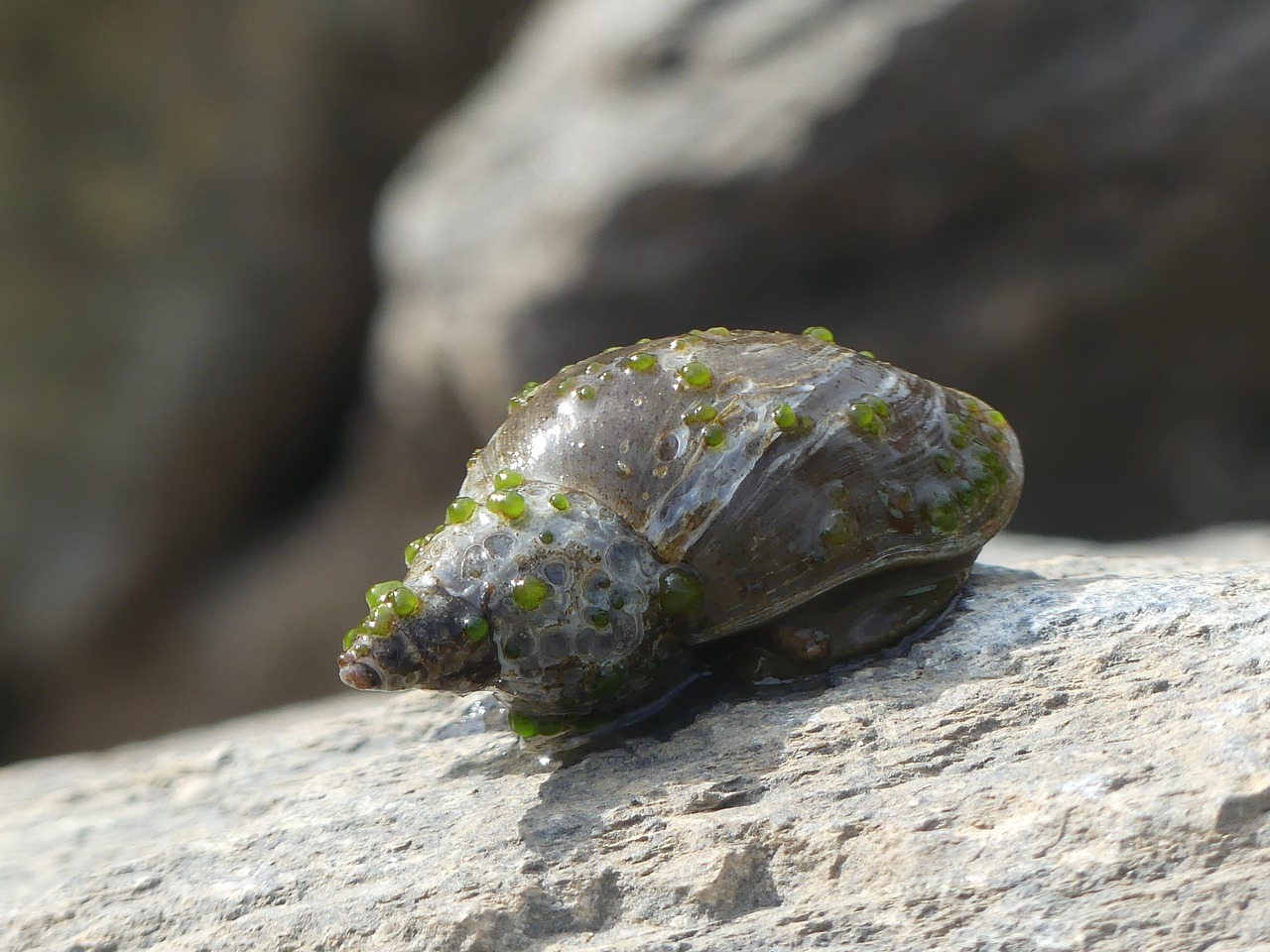
Named for their droopy, rabbit-ear-like antennae and gentle, unhurried manner, rabbit snails belong to the genus Tylomelania and originate from the ancient lakes of Sulawesi, Indonesia. Their elongated conical shells, vivid body colours, and endearing personalities make them a centrepiece invertebrate rather than a simple cleanup crew member. This rabbit snail care guide is informed by years of keeping these Sulawesi natives at Gensou Aquascaping, 5 Everton Park, Singapore, where our tropical climate gives us a natural advantage with this warmth-loving species.
Species and Colour Varieties
Several Tylomelania species circulate in the aquarium trade, though exact identification can be difficult. The most commonly available in Singapore are the orange rabbit snail (Tylomelania zemis), which has a dark brown to black shell and a bright orange body, and the yellow or gold rabbit snail, displaying lemon-coloured soft tissue. Chocolate rabbit snails have both dark shells and dark brown bodies, while the less common white-spotted variants carry pale speckles across their skin. Shells are typically sculpted with ridges or tubercles depending on the species. Expect to pay SGD 8 to SGD 20 per snail, with rarer colour forms commanding higher prices.
Tank Size and Aquascaping
Rabbit snails grow to 7 to 12 cm depending on species, making them among the largest freshwater snails in the hobby. A pair requires at least 40 litres, and a group of four to six does well in a 60 to 80 litre setup. They enjoy burrowing into soft, sandy substrate, so fine sand is strongly preferred over gravel or aquasoil. Provide driftwood, smooth stones, and open areas for grazing. While they will not eat healthy plants, their size and burrowing habit can uproot delicate foreground plants like Hemianthus callitrichoides. Robust mid-ground and background species such as Cryptocoryne and Anubias are safer choices.
Water Parameters for Sulawesi Natives
In their natural habitat, rabbit snails inhabit warm, alkaline lakes with mineral-rich water. Aim for a temperature between 26 and 30 degrees Celsius, which Singapore’s ambient conditions provide effortlessly. pH should range from 7.5 to 8.5, and general hardness should sit between GH 6 and 12. Our PUB tap water at GH 2 to 4 needs significant remineralisation. Crushed coral, limestone chips, or a dedicated mineral supplement such as Salty Shrimp Sulawesi Mineral 8.5 can bring parameters into the correct range. Stable KH above 4 also helps buffer pH against swings.
Keep ammonia and nitrite at zero and nitrate below 20 ppm. Rabbit snails are sensitive to poor water quality and will retract deeply into their shells when stressed. Weekly water changes of 20 to 30 per cent, matched to temperature and mineral content, keep conditions stable.
Feeding Rabbit Snails
Rabbit snails are primarily herbivorous and detritivorous. They graze on biofilm, decaying plant matter, and soft algae. Supplement their diet with blanched vegetables including courgette, spinach, sweet potato, and carrot. Sinking algae wafers, spirulina tablets, and calcium-enriched snail food round out their nutrition. They are slow eaters, so place food near them rather than across the tank. Remove uneaten portions after 12 hours.
Calcium intake is critical for their thick, ridged shells. A piece of cuttlebone left in the tank dissolves gradually and provides a constant supply. Without adequate calcium in Singapore’s naturally soft water, shell erosion appears within months.
Breeding and Reproduction
Rabbit snail breeding is unique and one of the most appealing aspects of keeping them. They are livebearers, giving birth to a single fully formed baby snail encased in a milky white sac. The baby emerges at about 1 cm in length and immediately begins grazing. Females produce one baby every four to six weeks under good conditions, so population growth is extremely slow and entirely manageable. This makes the rabbit snail care guide particularly reassuring for hobbyists wary of snail explosions.
Sexing is difficult without observing mating behaviour. Keeping a group increases the likelihood of having both sexes. Breeding requires no special triggers beyond stable, warm, mineral-rich water and consistent feeding.
Tank Mates
Rabbit snails are peaceful and slow, making them vulnerable to aggressive tank mates. Avoid cichlids, large loaches, and pufferfish. They coexist well with small community fish, Neocaridina shrimp, and other peaceful snails including nerites and mystery snails. Sulawesi shrimp such as Caridina dennerli share similar water requirements and make natural companions, allowing you to create a biotope-inspired Sulawesi tank.
Common Issues and Troubleshooting
Shell pitting and white erosion marks indicate insufficient calcium or low pH. Address both immediately. Rabbit snails that remain retracted for more than 24 hours may be reacting to a sudden parameter change. Test your water and correct any discrepancies gradually. Copper-based medications are lethal to all snails, so never dose copper in a tank housing rabbit snails.
Their slow pace means they occasionally end up on their backs after tumbling off hardscape. While they can usually right themselves, check regularly and assist if needed, as prolonged inversion stresses them. For hobbyists in HDB or condo setups seeking a distinctive, low-population invertebrate that genuinely stands out, rabbit snails deliver personality and visual impact that few other species match. Visit Gensou Aquascaping to see our current Tylomelania stock and discuss which species suits your aquascape.
Related Reading



