
Lake Tanganyika Featherfin Synodontis Guide: Catfish Species
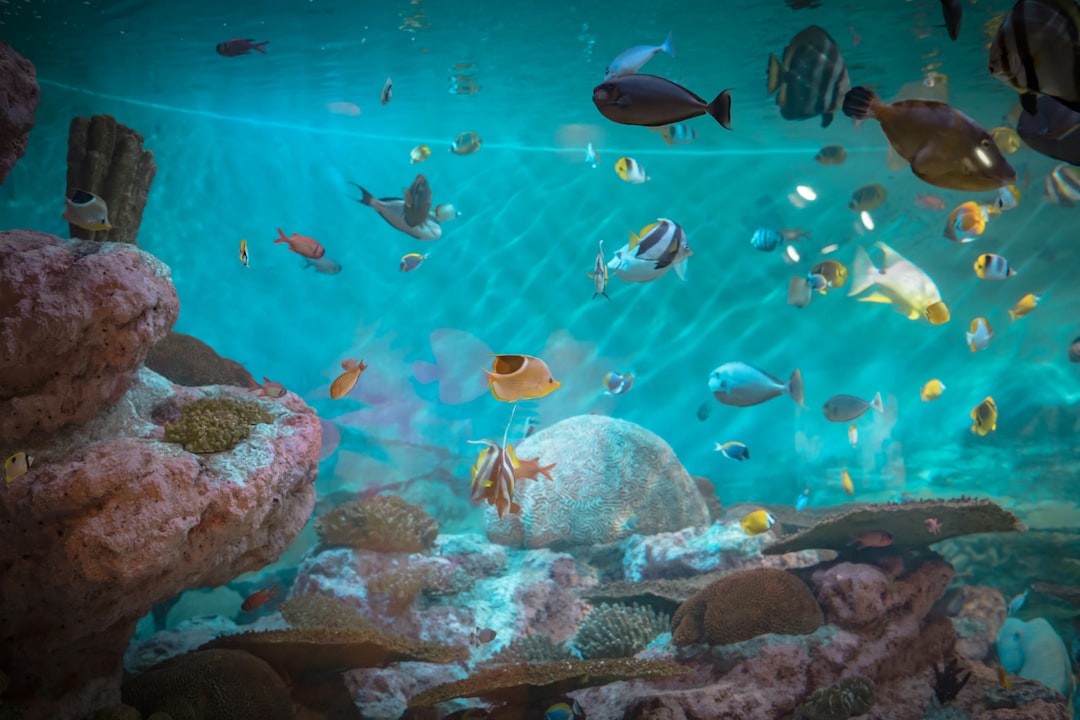
Featherfin Synodontis from Lake Tanganyika are some of the most rewarding catfish to keep in an African biotope — they shoal loosely, hunt at night, and occasionally pull off cuckoo spawning behaviour that still baffles newcomers who have kept ordinary catfish. This lake tanganyika featherfin synodontis guide covers the five species most commonly available in Singapore, their adult sizes, tank requirements, and compatibility with the cichlid community they co-evolved alongside. The notes draw on tanks we have run at Gensou Aquascaping at 5 Everton Park and observations from Tanganyikan specialist keepers around the region.
Quick Facts
- Native water: Lake Tanganyika, pH 8.6-9.2, GH 12-18, 25-27 °C
- Featherfin species seen locally: S. petricola, multipunctatus, polli, granulosus, dhonti
- Adult sizes range: 10 cm (petricola) to 30 cm (granulosus)
- Tank minimum: 200 litres for 3-4 of the smaller species
- Strong groupers — keep in cohorts of 4-6 minimum
- Nocturnal: expect limited daytime visibility, feeding activity at dusk
- S. multipunctatus famously parasitises mouthbrooding cichlids
Why Tanganyika Featherfins Are Different
Unlike the African riverine Synodontis (nigriventris, eupterus) most hobbyists know, the Tanganyikan species evolved in a rift lake with highly stable, hard, alkaline water and a rocky littoral zone. They are built for cruising between boulders and into caves, and their colouration — spotted bodies with banded feathery dorsal and adipose fins — camouflages them against the lake’s dappled rocky floor. They are also social in a way few riverine Synodontis are, preferring groups and schooling loosely when conditions are right.
Synodontis petricola: The Starter Featherfin
At 10-11 cm adult size, S. petricola is the smallest and most peaceful of the group. It appears in local shops regularly at $25-40 per individual for 4-6 cm juveniles. Keep in groups of six or more in a 150-200 litre tank. They graze biofilm off rocks, accept pellets, and shoal more readily than their larger congeners. Easy to confuse with S. lucipinnis, which is similarly sized and often mislabelled — look for the rounded pectoral spine tip of petricola versus the more angular spine of lucipinnis.
Synodontis multipunctatus: The Cuckoo Catfish
Reaching 15-17 cm, S. multipunctatus is the species everyone remembers because of its reproductive strategy — females deposit eggs into a mouthbrooding cichlid’s spawning swirl, and the female cichlid incubates the catfish fry alongside (and sometimes instead of) her own. Running multis with Tropheus or Cyprichromis reliably produces catfish fry with minimal direct intervention. In open community tanks without mouthbrooders, multis still thrive but do not breed.
Juvenile price in Singapore sits at $40-70. They need 250+ litres in groups of 4-6 with plenty of rockwork.
Synodontis polli: Mid-Size Featherfin
Reaches 15-18 cm, with elongated trailing dorsal and pectoral rays that give it the “featherfin” look most dramatically. More territorial than petricola — groups need space. A 300 litre tank minimum for four, with distinct rock caves per individual to reduce squabbles. Nocturnal, so plan a moonlight LED or dim lamp for evening viewing. Rarely imported juvenile, so expect $80-140 for young adults.
Pair polli with mid-size Tanganyikan cichlids like Cyprichromis leptosoma or Altolamprologus compressiceps — the cichlids dominate the open water, polli rules the rock territory, and both coexist without stress.
Synodontis granulosus: The Giant of the Group
Reaches 28-30 cm in adulthood, making it one of the largest Lake Tanganyika catfish. Requires 450+ litres as a single adult, or 800+ litres for a small group. Juveniles appear occasionally at $120-180 but import is sporadic. Granulosus is a slower grower and lives 15-20 years with good care — plan the tank around its eventual size rather than juvenile size.
Synodontis dhonti: The Rarest in the Trade
At 18-22 cm, S. dhonti is a striking species with bold, contrasting spot patterns. Rarely seen in Singapore, occasionally turning up through specialist importers at $200+ per fish. Keep in groups of 4 with the biggest tank footprint you can manage — 400 litres minimum. Water parameters identical to other Tanganyikans: hard, alkaline, stable.
Tank Setup and Hardscape
Build a rock pile with at least 60% usable cave structure. Stack ocean rock, Texas holey rock, or local limestone to create overhangs and tunnels. Glue or silicone the lower rocks to prevent landslides — adult featherfins excavate aggressively. Sand substrate (coral sand or aragonite) maintains the pH 8.6-9.2 needed. Filtration should turn over the tank 5-7x per hour with two canisters or a canister plus internal for redundancy. Moderate current, not torrent.
Skip plants mostly — Tanganyikan tanks are rockscapes by nature. A few Anubias attached to rock tops add green without fighting the aesthetic.
Compatibility with Tanganyikan Cichlids
Featherfin Synodontis match well with most Tanganyikan cichlids. Safe tankmates include: Tropheus duboisi, Cyprichromis leptosoma, Paracyprichromis nigripinnis, Julidochromis ornatus, Neolamprologus brichardi, and featherfin-tolerant shell dwellers like Lamprologus ocellatus. Avoid pairing with aggressive frontosa or large predatory species like Boulengerochromis — featherfins become snack food.
Do not mix with Malawi mbuna. The aggression profile differs enough that featherfins end up bullied off food and fin-nipped nightly.
Feeding and Behaviour
Omnivorous with a bias toward protein. Sinking pellets (NLS Thera-A, Hikari Sinking Carnivore), frozen mysis, brine shrimp, and occasional earthworm treats are all accepted eagerly. Feed at lights-out or use a moonlight to observe their natural activity. Daytime visibility stays low in bright tanks — a dim photoperiod (6 hours at 40% intensity) encourages daytime cruising. Expect 8-12 years of life in a well-maintained Tanganyikan setup.
Related Reading



