
Mantis Shrimp Species and Tank Setup: Peacock, Spearer
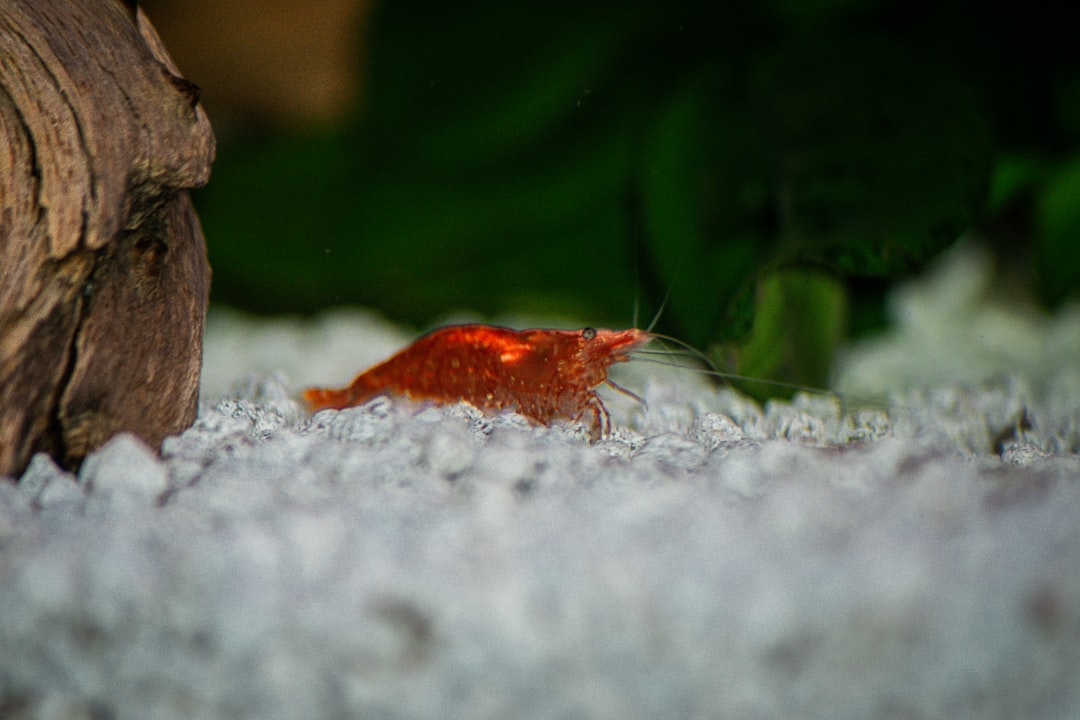
A mantis shrimp is not a community animal, not a reef animal, and not a beginner animal — it is a cephalopod-tier invertebrate that demands a dedicated tank and respect. This mantis shrimp species tank setup guide from Gensou Aquascaping in Singapore covers the two functional types hobbyists will encounter — smashers (peacock being the icon) and spearers — and explains why the setup for each differs, why tempered glass matters, and why a 50-litre “nano” tank is not big enough for the species most commonly sold.
Quick Facts
- Smasher species: Odontodactylus scyllarus (peacock), Gonodactylus spp.
- Spearer species: Lysiosquillina maculata, Pseudosquilla ciliata
- Minimum tank: 80 litres for smashers, 120 litres plus deep sand bed for spearers
- Glass thickness: 8 mm minimum for peacock, 10 mm preferred
- Salinity 1.024-1.026, temperature 25-27 °C
- Diet: live and frozen crustaceans, mollusc, fish flesh
- Lifespan: 3-6 years for peacocks in captivity
Smasher vs Spearer — Why It Changes Everything
A smasher uses raptorial appendages that accelerate at 80 km/h and strike with enough force to break glass, snail shells, and crab carapaces. A spearer instead lunges from a burrow and impales soft-bodied prey — worms, small fish — with barbed appendages. The two groups demand different tanks. A peacock needs caves and open patrol space; a spearer needs 15-20 cm of fine sand to burrow in and will refuse to settle without it.
Glass and Tank Construction
Peacock mantis shrimp have been documented to crack aquarium glass, though it is rare. The real risk is chipping a front panel or cracking a heater. Use an 8 mm or thicker front panel on any peacock tank larger than 60 litres. Avoid acrylic — mantises scratch it badly during burrowing and striking. Heaters and probes should be in a sump, never in the display. A peacock will destroy a glass heater on its first day.
Tempered glass bottoms are fine; tempered front panels are not recommended because the fracture mode is catastrophic rather than gradual.
Peacock Mantis Setup
O. scyllarus grows to 15-18 cm and defends a burrow with multiple entrances. Provide PVC elbows or drilled rockwork to pre-cut burrow options — the mantis will choose one and re-engineer it. Sand bed 3-5 cm, live rock stable on the tank bottom rather than resting on sand (which the mantis will excavate). Moderate flow, good skimming, weekly 10% water changes. A peacock eats every three to four days once settled — do not overfeed.
Spearer Setup
Spearers like Lysiosquillina live in vertical burrows 15-30 cm deep in fine sand. The display must have a sand bed of at least 15 cm, preferably 20 cm, of sugar-fine aragonite. The mantis will dig its own tunnel and line the walls with mucus. Rockwork sits on the glass, not the sand. Do not attempt to house two spearers together — territorial kills are immediate.
Single-Specimen Only
Mantis shrimp are cannibalistic, pair-territorial except during brief breeding seasons, and incompatible with virtually every other aquarium inhabitant. Fish, shrimp, crabs, snails — all prey. A community tank with a mantis in it is a tank with a mantis and a fresh food supply. The only tank mates we have kept successfully alongside a large peacock are a few hardy hermit crabs in a large system, and even then losses are periodic.
Feeding and Moulting
Feed raw prawn pieces, small whole shrimp, clam meat, and the occasional live hermit crab or small crayfish for enrichment. Frozen silverside works for spearers. Do not feed live freshwater feeder fish — thiaminase and parasite risk. Mantises moult every three to five months; during moult they are helpless and vulnerable. Leave them undisturbed for a full week, and never attempt tank work during a moult you suspect is imminent (new exoskeleton will be white and soft).
Sourcing in Singapore
Peacock mantis shrimp appear irregularly in Pasir Ris Farmway marine shops at $60-120 depending on size. Smaller Gonodactylus are cheaper at $20-40 and suit a smaller dedicated nano. Spearers are rarer and usually arrive by special order. Always ask to see the animal eat before purchase — a mantis that refuses food in the shop may be mid-moult or in poor condition.
Honest Risk Assessment
Mantis shrimp are fascinating but demand commitment. They will break heaters, they will kill anything you add, and they live long enough that you need a plan for five years. If that sounds like a liability, this is not your species. If it sounds like an interesting animal to observe daily from a safe distance, a dedicated peacock tank is one of the most rewarding single-specimen builds in the marine hobby.
Related Reading



