
Sand Sifting Starfish Astropecten Care Guide
Every few months a client asks us whether they should add a sand-sifting starfish to deal with detritus in a reef sand bed, and our answer is almost always a qualified “it depends”. This sand sifting starfish astropecten care guide from Gensou Aquascaping at 5 Everton Park takes a frank view of Astropecten polyacanthus — a widely imported species into Singapore that is frequently sold as a reef-safe cleanup crew animal but carries real risks if misjudged against the system it is entering.
Species Identification and Behaviour
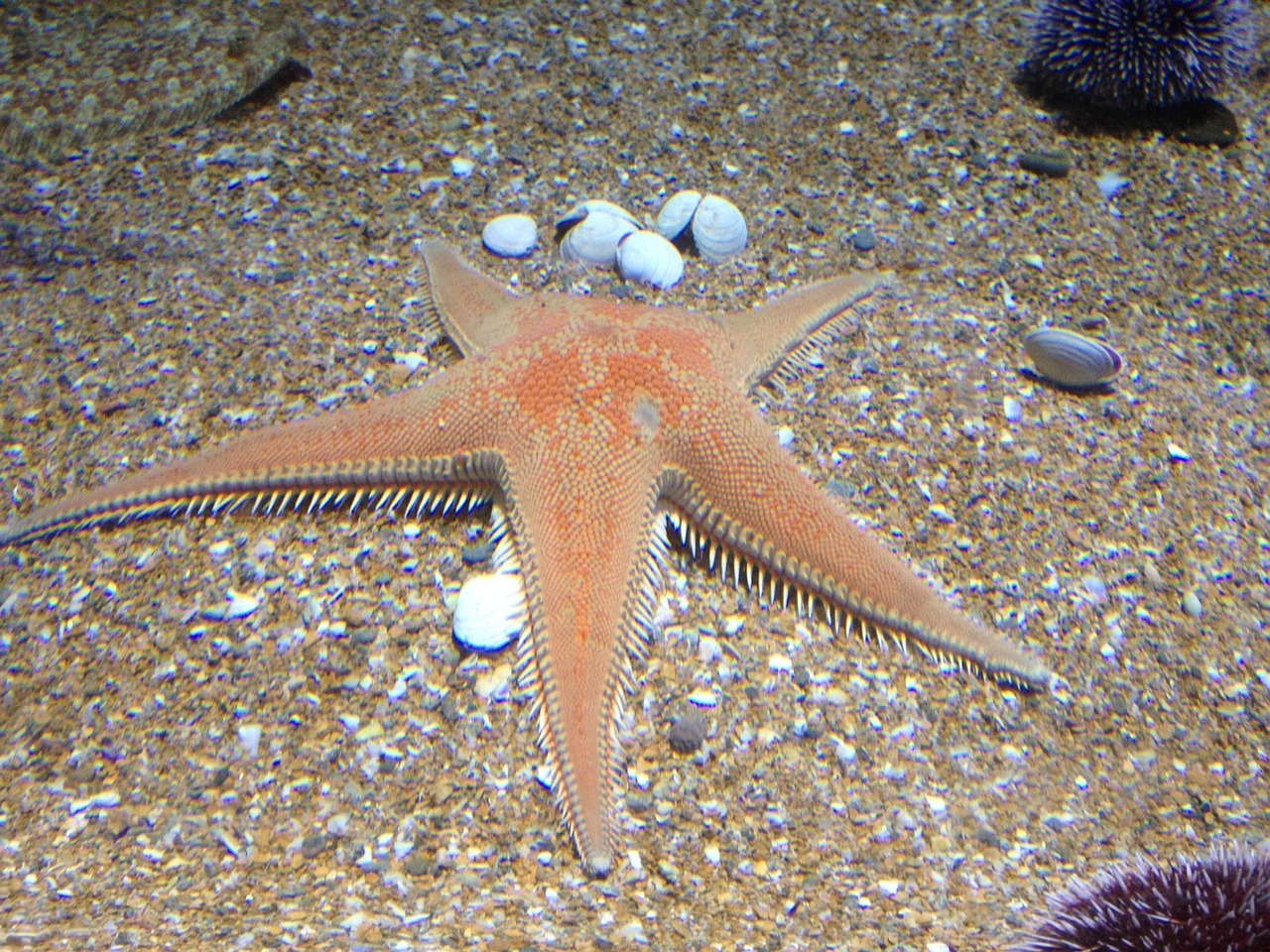
Astropecten polyacanthus is the five-armed, flat-bodied sand star routinely sold through Pasir Ris and Reef Depot as “sand sifting star”. It has short pointed spines along the arm margins and buries itself partially in sand during daylight. Unlike the biofilm-grazing blue Linckia, Astropecten feeds actively on infaunal invertebrates — small worms, microcrustaceans, juvenile snails and anything else it can engulf in its stomach, which it extrudes through the underside.
The Sand Bed Requirement
Astropecten needs a minimum 5 cm of fine aragonite or oolitic sand, preferably 7 to 10 cm for long-term success. In tanks with a bare bottom or thin 2 cm substrate, the starfish has nowhere to bury and will starve within weeks regardless of feeding. Our deep sand bed vs bare bottom reef piece covers the underlying philosophy; if you run bare-bottom, do not buy an Astropecten.
What It Actually Eats
Here is where reefers frequently misjudge. Astropecten consumes the infaunal ecosystem — the beneficial microfauna that a mature deep sand bed relies on for nutrient cycling. Within three to six months of introduction to a small-to-medium tank, the starfish exhausts the infauna and then starves. The sand bed also loses its biological filtration capacity. For tanks under 300 litres this is often a net negative addition.
Tank Size and Sand Footprint
A 400 litre reef with 70 kg of deep sand is the practical minimum where a single Astropecten can survive long-term without stripping the sand bed. Smaller tanks might house one briefly, but the animal will slowly decline as food runs out. Pair this with the broader marine cleanup crew stocking planning; Astropecten is a poor substitute for nassarius snails in smaller systems.
Water Parameters and Chiller Need
Standard reef parameters apply: 25 to 26 degrees, 1.025 salinity, nitrate under 10 ppm, zero copper ever. In Singapore’s ambient heat a proper marine chiller is mandatory; Astropecten tolerates a narrow temperature window and struggles above 27 degrees. Acclimation should be a two-hour drip minimum; the species is less sensitive than Linckia but still vulnerable to rapid salinity shifts.
Acclimation Protocol
Drip acclimate over two hours, keeping the starfish fully submerged throughout. Once transferred, place gently on the sand surface and allow it to bury itself naturally over the following hour. Do not dig it in or position it on rockwork. During the first week, observe for normal burrowing and re-emergence at dusk; if the starfish remains exposed continuously, check water parameters immediately.
Diet Supplementation
Target-feed weekly with small chunks of shrimp meat, mussel or clam, placing food directly onto the sand near where the starfish was last buried. Most owners skip this and rely on infaunal food alone; this is the reason many specimens starve at the six-to-nine-month mark. Supplementary feeding meaningfully extends lifespan in smaller systems.
What Gets Disturbed
Astropecten actively overturns small rockwork and bulldozes fragile sand scapes. Reef-safe in the sense that it does not eat coral, but reef-disruptive in terms of aesthetic sandbed design. Do not expect a pristinely raked sandbed; expect ongoing minor disturbance. It also consumes nassarius snails if they are present in high density, so stocking both species together reduces overall CUC effectiveness.
Singapore Sourcing and Pricing
Astropecten polyacanthus enters Singapore regularly at $20 to $45 per specimen, typically arriving in good condition from Vietnamese imports. Inspect before purchase — look for taut arms, active movement when gently prodded, and full arm symmetry with no regeneration cuts. Avoid specimens that appear listless or discoloured. Pasir Ris Farmway vendors and Reef Depot carry the species consistently.
Alternatives Worth Considering
For most small-to-medium reefs, a mix of nassarius snails, a few nerite snails and a pair of cerith snails delivers better sandbed maintenance without the infauna-depletion problem. Reserve Astropecten for large systems with deep, mature sand beds where the ecological trade-off is manageable.
Honest Verdict
Astropecten polyacanthus is a legitimate reef animal in the right tank and a slow-motion mistake in the wrong one. Before purchase, genuinely audit whether your system has the sand depth, footprint and infaunal maturity to support the species long-term. If not, skip it and build a better CUC from snails, shrimps and smaller sand-sifting invertebrates. The Astropecten you do not buy is the one that does not starve.
Related Reading



