
Rummy Nose Tetra Complete Care Guide: Hemigrammus rhodostomus
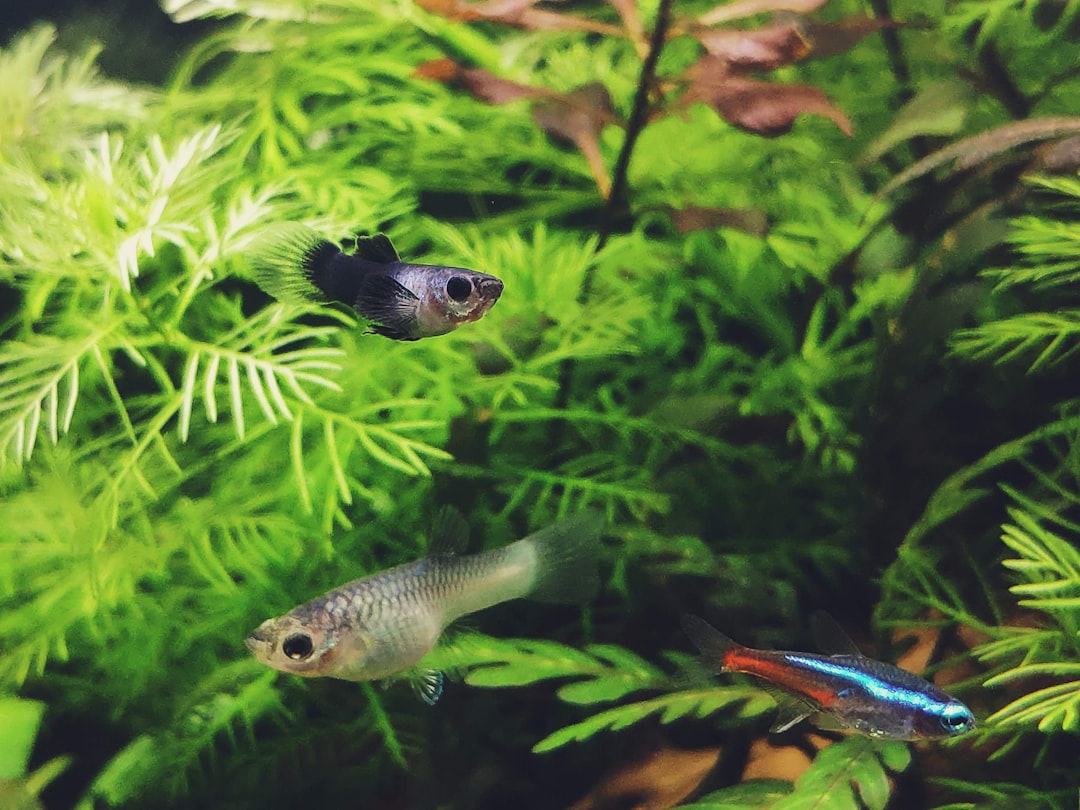
No tetra reads water quality more honestly than the rummy-nose — the red cheek patch that gives the species its name fades the moment parameters drift, returning within hours when the tank stabilises. This rummy nose tetra complete care guide covers Hemigrammus rhodostomus from schooling requirements through blackwater parameters, and explains why Singapore’s Carousell-breeder scene is the best local source for this species. Written by the team at Gensou Aquascaping, 5 Everton Park, with over 20 years of hands-on experience.
Species Profile
Three species share the common name rummy-nose: Hemigrammus rhodostomus (true rummy-nose), Hemigrammus bleheri (firehead) and Petitella georgiae (false rummy-nose). All three behave similarly and school together in trade. Adult size is 4-5 cm. The body is silvery-translucent with a bright red head, and a black-and-white checkerboard tail. Lifespan is five to seven years in a well-maintained blackwater tank.
Tank Size and Schooling
Minimum tank is 90 litres for a school of eight, 110-150 litres ideal for twelve. Rummy-nose are famously tight schoolers, often moving as a synchronised block across the tank — undersized groups of four or five never display this behaviour and instead drift listlessly. Tank length 75-90 cm minimum; the school covers ground and cramps in shorter tanks. Browse the aquarium tanks and cabinets range for 75-90 cm rimless options.
Water Parameters
Temperature 24-28 degrees Celsius, pH 5.5-6.8, GH 2-6, KH 0-4. Rummy-nose tolerate brief drift outside these ranges but show it instantly — the red head pales within minutes of a parameter shock. Nitrate under 15 mg/L, ammonia and nitrite zero always. Singapore PUB water is ideal post-dechlorination; an aquasoil substrate keeps pH in the comfort zone for six to twelve months before needing light supplementation with botanicals.
Tank Setup
A mature blackwater biotope with driftwood, a carpet of catappa leaves, dim filtered lighting, and moderate plant density suits rummy-nose best. Keep open swimming zones of at least 30 cm depth along the front glass — the school paces this corridor constantly and needs the room. Dark substrate and a dark background panel intensify the red head pigmentation by visual contrast. Source substrate from the decoration and substrate range.
Filtration
Canister filter rated 4x tank volume per hour, fitted with a spray bar to distribute flow evenly across the rear. Rummy-nose are strong swimmers and appreciate moderate current — weaker than a community of danios would prefer, stronger than ember tetras tolerate. A 90-litre tank runs well on an Eheim Classic 250 or JBL e702 with a prefilter sponge on the intake. Visit the filtration range for canister options.
Planting and Aquascape
Background stems (Rotala, Ludwigia), midground crypts, anubias and java fern on driftwood. Leave the front 40 per cent of the tank open swimming water. Floating plants (frogbit, salvinia, red root floaters) soften the light and add visual depth. The blackwater ambience — tannin-stained water, dim amber glow, dark substrate — is where rummy-nose visibly relax and school tightest. Pick up plants from the live plants range.
Feeding
Quality micro and small pellets (Hikari Micro Pellets graduating to Hikari Micro Wafers as adults, Tropical D-Allio Plus), frozen bloodworm, daphnia, brine shrimp and mysis. Feed twice daily small portions cleared in 30-45 seconds. Rummy-nose relish live foods especially — fresh brine shrimp triggers vivid spawning-dress red heads. Pick up pellets and frozen from the fish food and feeding range.
Tank Mates
Excellent community fish when paired with other soft-water species: cardinal tetras, ember tetras, Apistogramma, angelfish (mature tanks only), corydoras, otocinclus, hatchetfish, neocaridina shrimp (may eat juveniles). Avoid hard-water livebearers (mollies, swordtails), aggressive cichlids, and fin-nipping species like serpae or black widow tetras. A biotope community with rummy-nose as the centrepiece is one of the most satisfying tetra-keeping projects available.
Breeding
Egg-scatterers in very soft water (GH under 2, pH under 6.0). Breeding is advanced territory requiring RO water, peat filtration and a darkened tank. Most SG hobbyists buy rather than breed — though a small community of dedicated Carousell breeders produce SG-bred rummy-nose from dedicated breeding racks, resulting in hardier, already-acclimated stock.
Sourcing in Singapore
The honest comparison: imported rummy-nose from C328, Iwarna or Seaview at SGD 2-4 each often arrive thin and pale, losing 20-30 per cent in the first fortnight. SG-bred rummy-nose listed on Carousell by local breeders at SGD 3-5 each are already acclimated to local water, tropical ambient, and arrive in visibly better condition. For a first school, check common rummy nose or the premium platinum rummy nose. The species is worth the small premium for SG-bred stock.
Related Reading
- Tetra Fish Tank Complete Guide
- Tetra Fish Aquarium Setup Guide
- Ember Tetra Complete Care Guide
- Cardinal Tetra Complete Care Guide
- Glowlight Tetra Complete Care Guide



