
Hoplo Catfish Care Guide: Bubble-Nesting Armoured Catfish
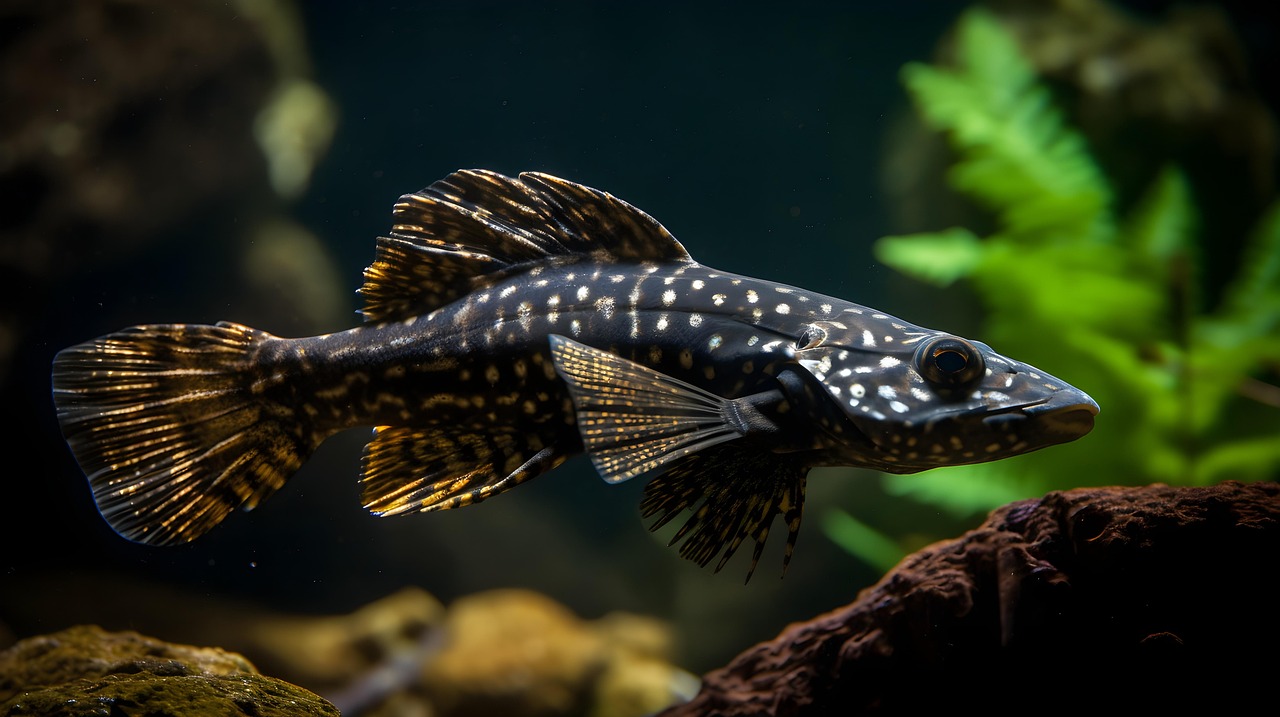
The hoplo catfish (Megalechis thoracata) is a heavily armoured, bubble-nest-building catfish that remains surprisingly uncommon in Singapore despite being easy to keep. This hoplo catfish care guide from Gensou Aquascaping at 5 Everton Park, Singapore, covers tank requirements, feeding and their remarkable breeding behaviour. With a robust constitution and an engaging personality, hoplo catfish make an excellent alternative to the ubiquitous corydoras for hobbyists seeking something different.
Origin and Description
Megalechis thoracata inhabits slow-moving, oxygen-poor waters across northern South America, from Trinidad to the Amazon basin. Their ability to breathe atmospheric air via a modified intestine allows them to thrive in stagnant pools where other fish would suffocate. Adults reach 12-15 cm and have a dark brown to black body covered in bony scutes. Males develop thickened, reddish pectoral fin spines during breeding condition. Their overall look is that of a stocky, well-armoured tank with short barbels and small eyes.
Tank Requirements
A minimum of 120 litres suits a pair or small group. Provide a soft sand substrate to protect their barbels, along with driftwood, leaf litter and caves for daytime hiding spots. Hoplo catfish are primarily nocturnal and appreciate subdued lighting. Floating plants serve a dual purpose: they diffuse light and provide the surface structure males need for anchoring bubble nests. Secure your tank lid firmly, as hoplo catfish are capable jumpers, especially during breeding season or when startled.
Water Parameters
These catfish are remarkably tolerant. Aim for pH 6.0-8.0, GH 3-20 and temperatures of 22-28 °C. Singapore’s ambient warmth of 28-30 °C sits at the upper edge but is perfectly acceptable. PUB tap water, dechlorinated, requires no additional adjustment. Weekly 25% water changes maintain good conditions. Their air-breathing habit means dissolved oxygen levels are less critical than for most fish, but good filtration is still necessary to manage the waste they produce.
Feeding
Hoplo catfish are enthusiastic omnivores. Sinking pellets or wafers make a reliable daily staple. They relish frozen bloodworms, blackworms, brine shrimp and chopped earthworms. Blanched vegetables like zucchini and peas add variety. Feed once or twice daily, preferably in the evening when they become active. These catfish are not delicate eaters. They root through substrate vigorously and vacuum up anything edible, which makes them effective scavengers but poor companions for small bottom-dwelling shrimp.
Behaviour and Compatibility
Despite their armour, hoplo catfish are peaceful community residents. They ignore most tank mates and spend the day wedged under driftwood or inside caves. Suitable companions include medium-sized tetras, barbs, gouramis, angelfish and larger corydoras species. Avoid housing them with very small fish (under 2 cm) or dwarf shrimp, as adult hoplos may inadvertently consume them during nocturnal foraging. Multiple hoplos in the same tank coexist amicably outside of breeding periods.
Bubble-Nest Breeding
The most fascinating aspect of hoplo catfish care is their breeding strategy. Unlike most catfish, males build a floating bubble nest beneath leaves or other surface structures. After an elaborate courtship involving the male circling the female, she deposits eggs into the nest. The male guards the nest aggressively, attacking anything that approaches, for approximately four days until the fry hatch. Broods range from 200 to 500 fry. Newborns accept micro worms and baby brine shrimp immediately. A drop in water level followed by a large cool water change often triggers spawning.
Health and Longevity
Hoplo catfish are extremely hardy, with a lifespan of 8-10 years in captivity. Common health issues are limited to bacterial infections from dirty substrate and occasional parasitic infestations from wild-caught imports. Quarantine new arrivals for two weeks. Their bony armour makes them resistant to many ectoparasites, but internal parasites can be addressed with praziquantel-based treatments. Avoid copper-based medications, as catfish in general show sensitivity to copper.
Finding Hoplo Catfish in Singapore
Hoplos are not stocked at every local fish shop, but they appear occasionally at specialist stores around Serangoon North Avenue 1 and on Carousell. Prices typically range from $5-10 depending on size. Their rarity makes them a conversation piece. Gensou Aquascaping, with over 20 years of hands-on experience, can help you source and set up a suitable hoplo catfish care guide-style tank that showcases these underrated armoured catfish.
Related Reading



