
Aulonocara Stuartgranti Peacock Care: Flavescent Peacock
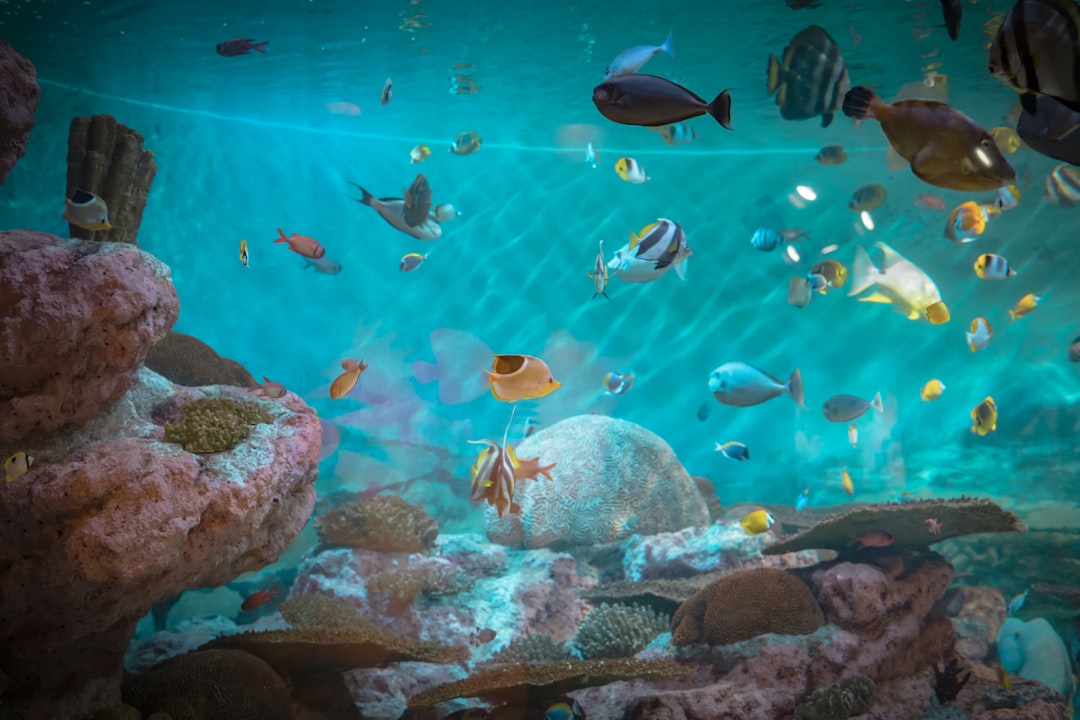
Aulonocara stuartgranti is the species tag for a whole family of Malawi peacocks that collectors chase like stamps. Aulonocara stuartgranti peacock care reads simply on paper yet rewards deliberate setup — get the substrate, water chemistry and female ratios right, and a Flavescent or Ngara male will hold show colour for years. This guide from Gensou Aquascaping at 5 Everton Park covers the collection points, sand-sifting mechanics and breeding routine that separate a decent peacock tank from a dull one.
Quick Facts
- Origin: Lake Malawi, multiple collection points (Ngara, Usisya, Chilumba, Maleri)
- Flavescent morph: yellow-dominant colour form from Usisya
- Adult size: males 12-15 cm, females 8-10 cm
- Water: pH 7.8-8.6, GH 10-18, KH 8-12, 25-27 degrees C
- Minimum tank: 250 litres for a 1M:4F harem
- Feeding mode: sand sifter, snaps invertebrates from substrate
- Breeding: maternal mouthbrooder, 21-28 day incubation
- Diet: carnivore leaning, sinking pellets plus frozen mysis
One Species, Many Faces
Taxonomists lump the Flavescent, Ngara, Maleri, Usisya and Chilumba peacocks under A. stuartgranti. Each location produces a distinct male colouration: Ngara blues with coppery flanks, Maleri oranges, Usisya yellows. Do not mix locations in one tank. Hybrids lose definition within two generations and muddy the bloodline for any breeder you might later sell stock to in Singapore’s active Carousell cichlid market.
Ask your supplier for a specific variant name, not just “peacock”. Reputable Singapore importers bring in tank-bred F1 stock from Czech and German breeders; these are worth the $35-60 per male premium.
Sand, Not Gravel
Peacocks are lateral-line hunters. They cruise the sand-rock interface, pause, and snap at small invertebrates detected through hydrodynamic vibrations. Gravel blunts this behaviour and can lodge in the gill rakers. Use 2-3 cm of silica pool sand or aragonite sand with a grain under 1 mm.
Keep rockwork concentrated at tank ends rather than spread across the substrate. Peacocks want open sand flats to hunt. An 120 cm tank should show at least 70% sand plane with low piled rockwork at each end.
Water Chemistry for Singapore
PUB water out of the tap sits at GH 2-4 and pH near 7.2. Reconstitute with a Rift Lake salt mix dosed to roughly 1 teaspoon per 20 litres at each water change. Aragonite substrate supports long-term buffering, but do not rely on it alone — chemistry drifts without the salt component.
Temperature control matters. Singapore ambient can push a tank above 29 degrees C in March and April. A Hailea HC-300A or Resun CL-450 chiller holds a 300-litre peacock tank at 26 degrees C reliably. Oxygen drops as temperature climbs, and peacocks stress quickly past 30 degrees C.
Sex Ratios and Aggression
A single male with four or more females is the standard. Two males in anything under 400 litres ends badly; the dominant one colours up, the subdominant one hides as a washed-out female mimic and eventually dies. If you want multiple males, budget for a 500+ litre tank with strong visual breaks.
Juveniles from a Singapore transshipper arrive unsexed and drab. Males begin colouring at 6-8 cm, usually 8-12 months in. Buy eight juveniles from the same spawn, grow out, and rehome the excess males once colour declares itself.
Feeding Without Causing Bloat
Aulonocara are carnivore-leaning, but they are not beef-heart eaters. New Life Spectrum Cichlid Formula, Omega One Cichlid Sinking Pellets and Hikari Cichlid Gold Sinking at 1-2 mm all work. Frozen mysis, cyclops and brine shrimp twice a week round out the diet.
Avoid bloodworms as a staple — too rich for Rift Lake digestive tracts. Feed small amounts twice daily. Watch faeces: stringy, white or trailing mucus means trouble, usually an early bloat presentation. Metronidazole in-food is the standard response if caught in day one or two.
Mouthbrooding the Flavescent Way
A conditioned Flavescent male clears a small pit in the sand, flares over it, and leads a ripe female through a circling display. Spawning produces 20-40 eggs, taken into her buccal pouch immediately. Incubation runs 21-28 days at 26 degrees C.
Holding females stop feeding and jaw-chew periodically, tumbling eggs to oxygenate them. Singapore hobbyists commonly strip at day 18-21 to a 20-litre tumbler with gentle airflow, which saves any clutches a first-time mother might swallow under stress. Free-swimming fry take baby brine shrimp and crushed pellet.
Display Tank Design
A peacock tank should showcase movement across open sand rather than mbuna-style rock scrambling. Place a single low rock pile at the back-left, another at the back-right, leave the centre open. Add dim blueish top lighting with warm spotlighting over the rock piles — LED units like Twinstar 900E or Chihiros WRGB II in mixed-spectrum mode flatter the Flavescent’s yellow.
Skip plants. Peacocks do not damage them, but nothing roots in the low-nutrient sand you want, and free-floating anubias rafts just collect detritus.
Related Reading
Peacock Cichlid Care Guide
Aulonocara Jacobfreibergi Care Guide
Lake Malawi Sand-Dwelling Cichlids
Lake Malawi Biotope Aquascape
Aquascape for African Cichlid Tank



