
Protomelas Steveni Taiwan Reef Care: Hap Cichlid Variety
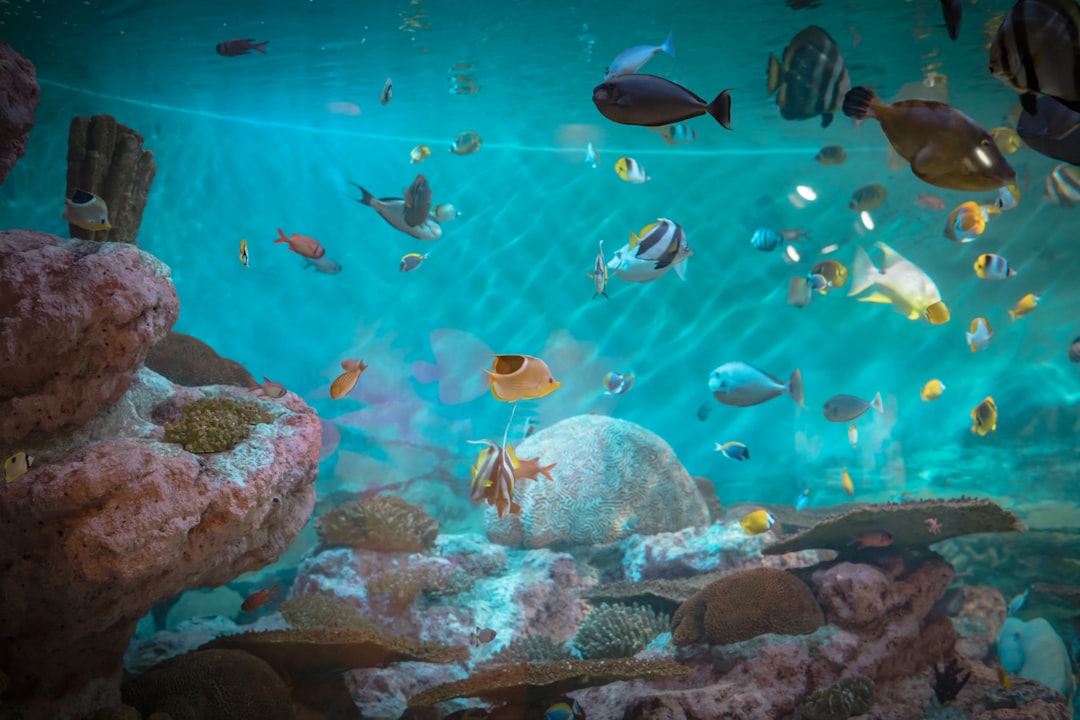
Protomelas sp. “steveni Taiwan”, collected off Taiwan Reef between Chizumulu and Likoma Islands, is one of the most visually striking Malawi haps in the hobby. Protomelas steveni Taiwan reef care centres on tank volume, correct Rift Lake chemistry, and a patient grow-out that rewards you with a metallic blue male lit by a red-orange dorsal band. This guide from Gensou Aquascaping at 5 Everton Park covers what a 180 cm display tank really needs to show this fish at full colour.
Quick Facts
- Origin: Lake Malawi, Taiwan Reef between Chizumulu and Likoma Islands
- Adult size: males 18-20 cm, females 13-15 cm
- Water: pH 7.8-8.5, GH 10-18, KH 8-12, 25-27 degrees C
- Minimum tank: 450 litres for a 1M:3F group, 600+ litres preferred
- Diet: micro-invertebrate feeder in wild, pellets and mysis in captivity
- Breeding: maternal mouthbrooder, 21-28 day incubation, 30-60 fry per clutch
- Temperament: moderately aggressive hap, needs space more than rockwork
- Lifespan: 10-12 years
Why “Taiwan Reef” Is Special
The trade name Taiwan Reef refers strictly to the collection point, not a coral reef. Males develop a metallic royal blue body, a dorsal fin edged in orange-red, and faint vertical barring visible under side lighting. Females remain silver with a pair of black lateral spots, typical hap camouflage. Colour expression peaks around 14-16 cm and requires near-optimum water chemistry.
Singapore supply runs through a handful of importers bringing F1 stock from European breeders. Expect $60-100 per unsexed juvenile at 5-7 cm. Cheaper stock is often hybridised with Red Empress (P. taeniolatus), which muddies the red band and softens the blue.
Tank Volume Comes First
This is not a 200-litre fish. Males patrol large territories and need swimming lanes more than rockwork. A 180 cm x 60 cm x 60 cm footprint (around 650 litres) suits a group of one male with three or four females and compatible tankmates. Smaller tanks suppress colour and produce chronic aggression.
Floor loading matters in HDB and condo builds. A full 650-litre tank plus stand and sump can top 900 kg concentrated under four to six feet. Confirm the floor rating — typical Singapore HDB floors are rated 150 kg per square metre, so long, narrow tanks spread the load better than tall cubes.
Rift Lake Water With Stable KH
Haps tolerate a wider pH range than mbuna but still want hard, alkaline water. A Rift Lake salt mix at 1 teaspoon per 20 litres plus aragonite sand holds pH 8.0-8.3 and KH 8-10 with fortnightly top-ups. Avoid marine salt blends — the sodium chloride dominance is wrong for the profile.
Run filtration at 6-8 times tank volume per hour. A large canister like the Eheim Professionel 4+ 600 plus a sump underneath handles the bioload. Nitrates should sit under 20 ppm; haps are more forgiving than SPS corals but chronic high nitrate still dulls the blue.
Layout for a Display Hap Tank
Think open. Two discrete rock piles at each end, 30-40% of footprint clear in the middle. Use sand, not gravel, at 3-4 cm depth. Driftwood is optional but atypical for a Malawi setup — it leaches tannins that nudge pH downward.
Strong, white-biased lighting flatters the metallic blue. Twinstar, Chihiros WRGB or a simple high-CRI LED bar at 6500 K will do. Dimmer at dawn and dusk encourages natural foraging behaviour.
Compatible Tankmates
Taiwan Reef pairs well with other medium haps: Copadichromis borleyi, Placidochromis phenochilus, Protomelas taeniolatus (from a different collection locale), and peacocks. Avoid mbuna — their faster aggression stresses haps and their herbivore diet conflicts.
Synodontis catfish (petricola, multipunctatus) add a scavenging layer and occasionally brood-parasitise haps, which is fascinating to observe if inconvenient when you are trying to maintain pure lines.
Feeding the Hap Way
In the wild, Taiwan Reef picks zooplankton and small invertebrates from the water column and substrate interface. Captive diet should match: New Life Spectrum Cichlid Formula, Hikari Cichlid Gold Medium, and Dainichi Veggie FX pellets suit adults. Frozen mysis and krill twice a week deepen colour.
Feed two to three small portions daily rather than one binge. Overfeeding triggers bloat and spikes nitrate in a hurry, especially in Singapore tanks where a warm 27-degree baseline accelerates digestion and decay.
Breeding and Fry Management
Spawning follows classic Malawi hap script. A conditioned male in full colour claims a sand pit, leads a gravid female through a courting circle, and spawns in a T-position. Clutches run 30-60 eggs; large for a Malawi female. Incubation runs 21-28 days at 26 degrees C.
Holding females lose weight rapidly if stressed by dominant males, so a grow-out female in a 60-litre nursery tank is often the safer call from day 12 onwards. Strip fry on day 21 if in doubt. Free-swimmers take baby brine shrimp and ground Spectrum pellet from day one.
Common Pitfalls in Singapore Tanks
The biggest error is undersizing. A pair of Taiwan Reefs in a 300-litre tank looks fine at 10 cm and becomes a problem at 16 cm. Plan for full-adult space from day one. Second: water chemistry drift when hobbyists skip the Rift Lake salt dose during heavy algae cleaning or large water changes. Pre-mix new water in a storage drum with salt, aerate 24 hours, then change.
Related Reading
Protomelas Taeniolatus Care Guide
Peacock Cichlid Care Guide
Lake Malawi Biotope Aquascape
Aquascape for African Cichlid Tank
Lake Malawi Sand-Dwelling Cichlids



