
Freshwater Sharks for Aquarium Complete Guide: 7 Species
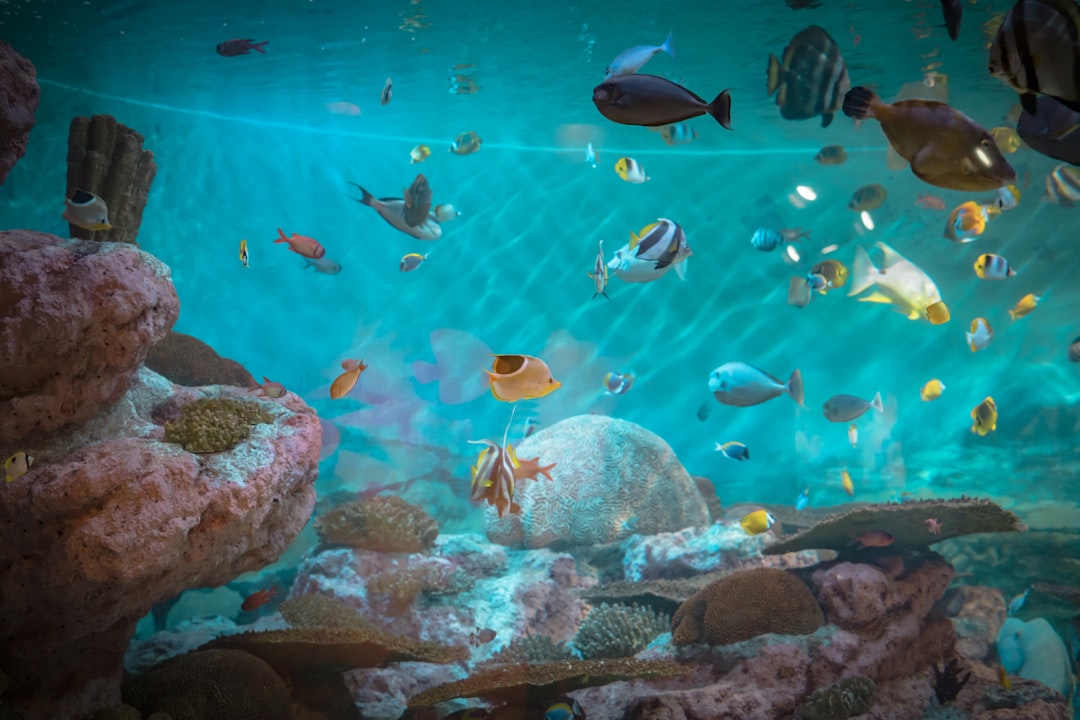
“Shark” in the aquarium trade is a marketing word — none of these fish are true sharks, they are cyprinids and catfish with streamlined bodies and dorsal fins that suggest a shark silhouette. This freshwater sharks for aquarium complete guide from Gensou Aquascaping at 5 Everton Park breaks down seven commonly traded species by adult size, aggression level, tank footprint and Singapore pricing. Some belong in 6-foot display tanks, others grow into public aquarium monsters. Reading before buying saves heartbreak and rehome listings.
Why Size and Temperament Decide Everything
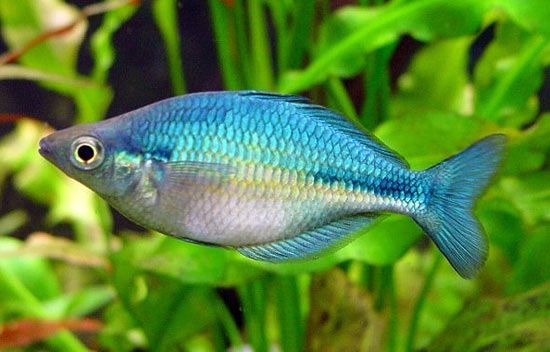
The single biggest cause of shark-keeping failure is buying a 6 cm juvenile that adults to 50 cm. Bala sharks hit 30 cm. Iridescent sharks top 120 cm. Red-tail black sharks stay 15 cm but turn brutally territorial. Rainbow sharks are 15 cm bullies with a pretty paint job. Knowing adult behaviour before purchase matters more than current cuteness. The tanks and cabinets category carries larger footprints needed for several species on this list.
Bala Shark (Balantiocheilos melanopterus)
Reaches 30-35 cm in adequate space. Shoaling fish needs five-plus kept together in a 180 cm (6 ft) minimum tank. Peaceful despite size but nervous — a single bala will jump itself to death from loneliness. Temperature 22-28 °C, omnivorous diet. Juveniles at C328 run SGD 8-15 but adults demand tanks most HDB floors cannot support by weight. Plan seriously before buying even one.
Red-Tail Black Shark (Epalzeorhynchos bicolor)
Compact at 12-15 cm with velvet black body and blazing red tail. Notoriously territorial — one per tank of 180 litres or more, and avoid other bottom-dwelling cyprinids. Will chase cories, loaches and tetras from favoured corners. Temperature 22-28 °C, omnivore with algae preference. Qian Hu and Iwarna stock them at SGD 10-18. Once common in wild Thailand, now critically endangered in nature but farmed widely for trade.
Rainbow Shark (Epalzeorhynchos frenatum)
Similar size and shape to red-tail but with grey body and orange-red fins. Aggression level matches the red-tail — solitary in community tanks 200 litres plus, never keep two rainbow sharks together outside large breeding setups. Tolerates 22-28 °C. Prices SGD 8-15 for 5-7 cm juveniles at C328. Albino variants fetch SGD 12-20. Plan tank mates carefully: larger peaceful fish like silver dollars or angelfish work.
Iridescent Shark (Pangasianodon hypophthalmus)
Grows over 100 cm in adequate space and is farmed for food in Vietnam and Thailand. Utterly unsuited to home aquariums yet sold as 8 cm juveniles at SGD 5-10 across Singapore LFS. Nervous, jumps in panic, requires 3000-litre (800-gallon) tanks realistic only for public aquaria. List it here as a species to recognise and refuse, not to acquire. Return or rehome if already purchased in error.
Chinese High-Fin Banded Shark (Myxocyprinus asiaticus)
Cold-water species reaching 60 cm adult with dramatic striped juveniles fading to brown with age. Needs 20-24 °C — impossible in tropical Singapore rooms without a chiller from the equipment category. Occasional imports at specialist shops run SGD 40-80 for juveniles. Better suited to temperate countries; skip in tropical climates unless you commit to chilled 500-litre setups.
Silver Apollo Shark (Luciosoma setigerum)
Surface-swimming schooler growing to 20-25 cm, native to Thailand and Malaysia. Needs groups of five-plus in long tanks over 150 cm. Peaceful but highly active — kept in short tanks they exhaust themselves on glass. Eats insects, small fish and pellets. Rare in the Singapore trade; imports at Qian Hu or Iwarna occasionally, SGD 15-30 depending on size. A good community centrepiece if the footprint fits.
Harlequin Shark (Labeo cyclorhynchus)
West African cyprinid at 15 cm with mottled black and brown pattern. Solitary and territorial like the red-tail, so one per tank of 250 litres plus. Tolerates 22-28 °C and prefers dim lit, heavily planted biotopes. Hard to find in Singapore — expect SGD 20-35 when available. Good alternative to the over-sold rainbow shark for keepers who want a territorial centrepiece without the standard look.
Tank Mates Across Species
Most sharks tolerate mid to upper column fish that stay out of their bottom territory — silver dollars, tinfoil barbs, giant danios, angelfish. Avoid slow long-finned fish (bullied), small nano fish (eaten), and other territorial bottom-dwellers. Plants suffer in digging-prone tanks — pin Anubias to driftwood rather than plant substrate crops. Driftwood caves and rockwork provide visual territory breaks.
Choosing Before Buying
Match adult size to your available tank now, not the tank you plan to upgrade to. Singapore HDB floor loads cap most living-room tanks around 500 litres realistically. A 6-foot tank weighing 700 kg needs structural assessment. Stick with red-tail, rainbow or harlequin in standard setups; only commit to bala or silver apollo if you have the footprint. Browse the fish and livestock category for available stock.
Related Reading



