
King Tiger Pleco Care Guide: L066 Bold Black and Gold Stripes
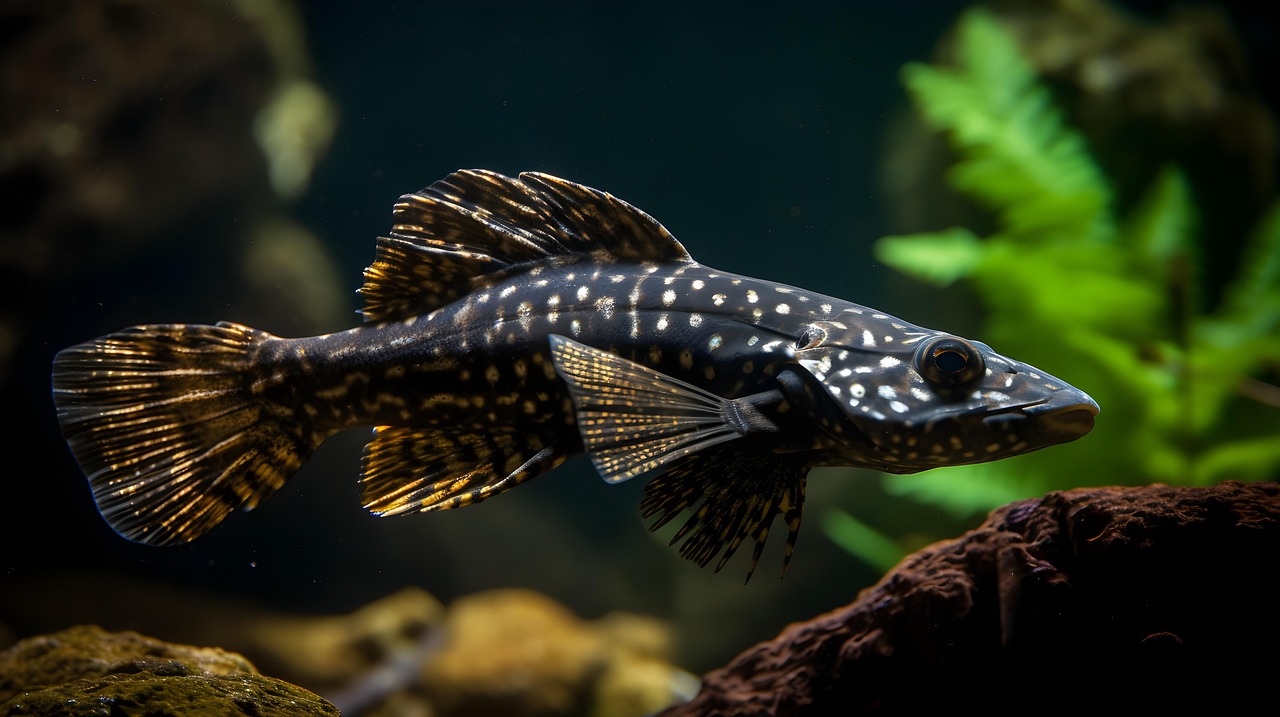
The king tiger pleco (L066, Hypancistrus sp.) is one of the most visually striking plecos in the hobby, wearing bold black and gold-white striped patterning that stands out against any substrate. Despite their small adult size of 10-12 cm, these fish command premium prices and serious attention from catfish enthusiasts. This king tiger pleco care guide from Gensou Aquascaping at 5 Everton Park, Singapore, covers habitat requirements, feeding, and the patience-testing process of breeding these beauties in tropical conditions.
Classification and Identification
L066 belongs to the Hypancistrus genus, a group of small plecos from the Rio Xingu system in Brazil known for strong black-and-white or black-and-gold patterning. Identification can be tricky — L066 is closely related to L333, and pattern variation between individuals means some specimens could pass for either species. Genuine L066 typically displays thicker, more irregular gold bands compared to the finer, more uniform lines of L333. When purchasing in Singapore, buy from reputable importers who source directly and label their L-numbers accurately.
Tank Setup
A single specimen can live comfortably in a 60-litre tank, but a breeding group of four to six needs at least 150 litres. Provide plenty of caves — ceramic breeding caves, PVC tubes, or stacked slate pieces work well. Each male will claim a cave, and having more caves than fish reduces territorial disputes. Moderate to strong water flow is appreciated, reflecting their native fast-flowing river habitat. Fine sand or smooth gravel substrate protects their delicate undersides. Driftwood adds hiding spots and releases tannins that these fish enjoy.
Water Parameters in Singapore
King tiger plecos prefer warm, soft, slightly acidic water — pH 5.5-7.0, GH 2-8, temperature 28-32 °C. Singapore’s ambient room temperature of 28-31 °C sits right in their comfort zone, eliminating the need for a heater in most setups. Our naturally soft PUB tap water is also a near-perfect match for their preferred hardness range. Run a good canister filter and maintain high oxygen levels; these fish come from well-oxygenated rapids and suffer in stagnant conditions. Weekly 30% water changes keep nitrates below 20 ppm.
Feeding L066
Unlike common plecos that graze algae, Hypancistrus species are primarily carnivorous. Offer a protein-rich diet of frozen bloodworms, brine shrimp, and high-quality sinking catfish pellets as staples. Repashy gel foods — Meat Pie or Bottom Scratcher formulas — are excellent and widely available on Shopee and Lazada in Singapore. Supplement with blanched zucchini or cucumber once weekly for fibre. Feed after lights-out, as these are nocturnal feeders that rarely emerge during the day. A red LED torch lets you observe feeding behaviour without disturbing them.
Behaviour and Tankmates
King tiger plecos are peaceful toward other species but males can be territorial with each other, especially around caves. Suitable tankmates include small tetras, rasboras, Corydoras catfish, and other non-aggressive bottom dwellers. Avoid housing them with large, boisterous cichlids or other cave-dwelling species that may compete for the same hiding spots. They are entirely safe with shrimp and snails, making them compatible with planted and invertebrate tanks.
Breeding King Tiger Plecos
Breeding L066 requires patience and specific conditions. Males are identifiable by broader heads, more prominent odontodes (bristle-like growths) on the pectoral fins and cheeks, and a slightly slimmer body profile. Condition breeders with protein-rich foods for several weeks, then trigger spawning with a large cool water change — drop the temperature by 2-3 °C to simulate the rainy season. The male lures a gravid female into his cave, where she deposits 15-30 large orange eggs. He then guards and fans the eggs for 7-10 days until they hatch. Fry absorb a substantial yolk sac and do not need feeding for the first five to seven days.
Fry Rearing and Value
Once free-swimming, fry accept Repashy gel food, crushed pellets, and baby brine shrimp. Growth is slow — expect 3 cm at six months. Young king tiger plecos already display their characteristic striped patterning, though it intensifies with age. In Singapore, captive-bred L066 juveniles sell for $40-80 depending on pattern quality and size, making successful breeding financially rewarding. Adult specimens from reputable breeders can fetch $100 or more.
A Premium Pleco Worth Keeping
The king tiger pleco combines striking aesthetics with manageable size and fascinating cave-breeding behaviour. Singapore’s warm, soft water naturally suits their requirements, giving local hobbyists a genuine advantage. Whether you keep a single specimen as a showpiece or invest in a breeding colony, this king tiger pleco care guide provides the practical knowledge to keep L066 healthy, well-fed, and — with persistence — reproducing in your care.
Related Reading



