
Licorice Gourami Tank Setup Guide: Blackwater Biotope for Parosphromenus
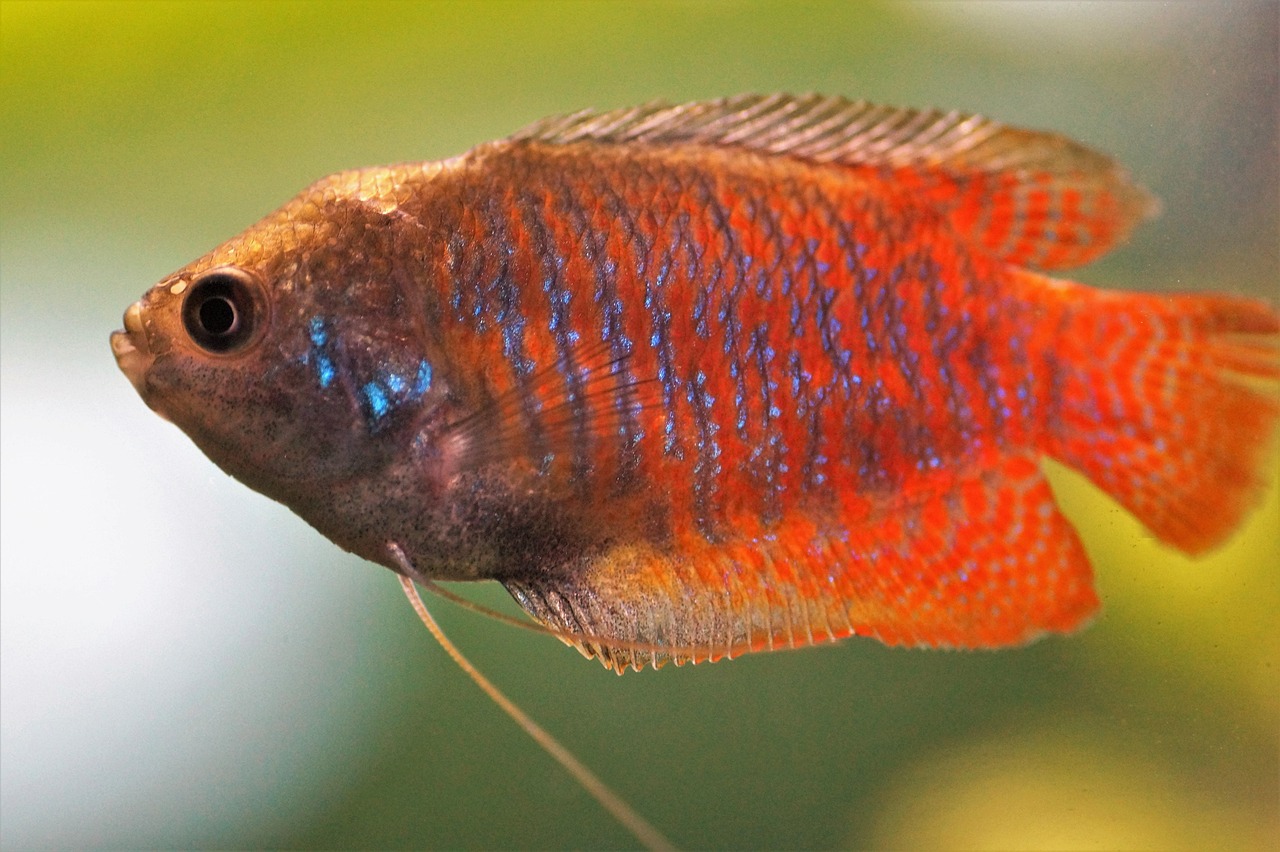
Among the most beautiful and underappreciated freshwater fish in the hobby, licorice gouramis deserve far more attention than they receive. This licorice gourami tank setup guide from Gensou Aquascaping, 5 Everton Park, Singapore, explains how to create the blackwater biotope these jewel-like fish require. With over 20 years of experience keeping Southeast Asian natives, we can confirm that getting the environment right is everything with Parosphromenus species.
Understanding Parosphromenus
The genus Parosphromenus contains over 20 described species, many originating from peat swamp forests in Peninsular Malaysia, Borneo, and Sumatra. Parosphromenus deissneri, P. linkei, and P. harveyi are among the species occasionally available in Singapore. Adults reach just 3-4 cm and display remarkable iridescent colours during courtship, with males flashing bands of blue, red, and black.
These are not community fish. They are specialist species that demand specific conditions and quiet tankmates, or ideally, a species-only setup.
Tank Size and Dimensions
A pair or trio thrives in a tank as small as 20 litres, making licorice gouramis ideal for nano setups on a desk or shelf. Longer, shallower tanks work better than tall ones, as these fish inhabit the lower half of the water column. A 45 x 25 x 25 cm tank provides ample territory for a breeding pair with room for natural decor.
Avoid overstocking. One pair per 20 litres is a sensible guideline. Males are territorial during breeding and will claim small caves aggressively.
Creating the Blackwater Environment
Blackwater is not optional for Parosphromenus. These fish evolved in tea-stained waters with pH values as low as 3.5 in the wild. In captivity, aim for pH 4.0-5.5, GH below 2, and KH at zero. Singapore’s soft PUB tap water helps, but you will almost certainly need RO water to achieve the extremely low mineral content required.
Tannins from Indian almond leaves (Terminalia catappa), peat, and driftwood stain the water the characteristic amber-brown. Add 2-3 dried leaves per 10 litres and replace them as they decompose. Locally, catappa leaves are easy to source at around $3-5 for a bag of 20 on Shopee.
Substrate and Hardscape
Keep the substrate dark and inert. Fine black sand or a thin layer of peat covered with leaf litter replicates their natural habitat. Avoid any calcium-based rocks or coral sand, as these buffer pH upward and defeat the purpose of your blackwater chemistry.
Driftwood is essential, both for aesthetics and for the micro-caves that males use as spawning sites. Small coconut shell halves, PVC pipe sections hidden behind wood, or commercially available ceramic caves all work. Position several caves in different areas of the tank so subordinate males have options.
Filtration and Flow
Gentle filtration is critical. An air-driven sponge filter provides biological filtration without creating the strong currents that stress these delicate fish. If using a small hang-on-back filter, baffle the outflow with a piece of sponge or a spray bar attachment. Turnover should not exceed 3-4 times the tank volume per hour.
Peat granules in the filter media basket help maintain acidity and add tannins continuously. Replace the peat every 4-6 weeks as it exhausts.
Lighting and Plants
Dim lighting suits Parosphromenus best. A low-output LED on a timer set for 6-8 hours replicates the shaded swamp floor. Floating plants like Salvinia cucullata and Ceratopteris thalictroides reduce light penetration naturally while providing cover.
Rooted plants are optional, as the acidic, nutrient-poor water limits growth. Hardy species like Java moss, Cryptocoryne griffithii, and Java fern tolerate these conditions and add biological complexity without demanding supplemental fertilisation.
Feeding
Licorice gouramis are micro-predators that strongly prefer live foods. Newly hatched brine shrimp, daphnia, grindal worms, and micro-worms form the ideal diet. Frozen alternatives are accepted by most captive-bred individuals, but wild-caught specimens may refuse anything that does not move.
Feed small amounts twice daily. Uneaten food decomposes quickly in warm, acidic water and can cause dangerous ammonia spikes in such a small volume.
Conservation Note
Many Parosphromenus species face habitat loss from palm oil plantation expansion across Southeast Asia. Captive breeding is genuinely important for the survival of several species. If you succeed in breeding them, consider connecting with the Parosphromenus Project, an international network dedicated to maintaining captive populations. Keeping these fish is not just a hobby pursuit but a meaningful conservation effort.
Related Reading
- How to Breed Licorice Gourami: Blackwater Mouthbrooders
- Axolotl Care Guide: Tank Setup, Feeding and Water Temperature
- How to Breed Chocolate Gouramis: Mouthbrooding and Blackwater Tips
- Chocolate Gourami Care Guide: Beautiful but Demanding
- Chocolate Gourami Tank Mates: Peaceful Companions for Soft Water



