
Pygmy Corydoras Shoal Care Guide: Corydoras Pygmaeus Nano Schoolers
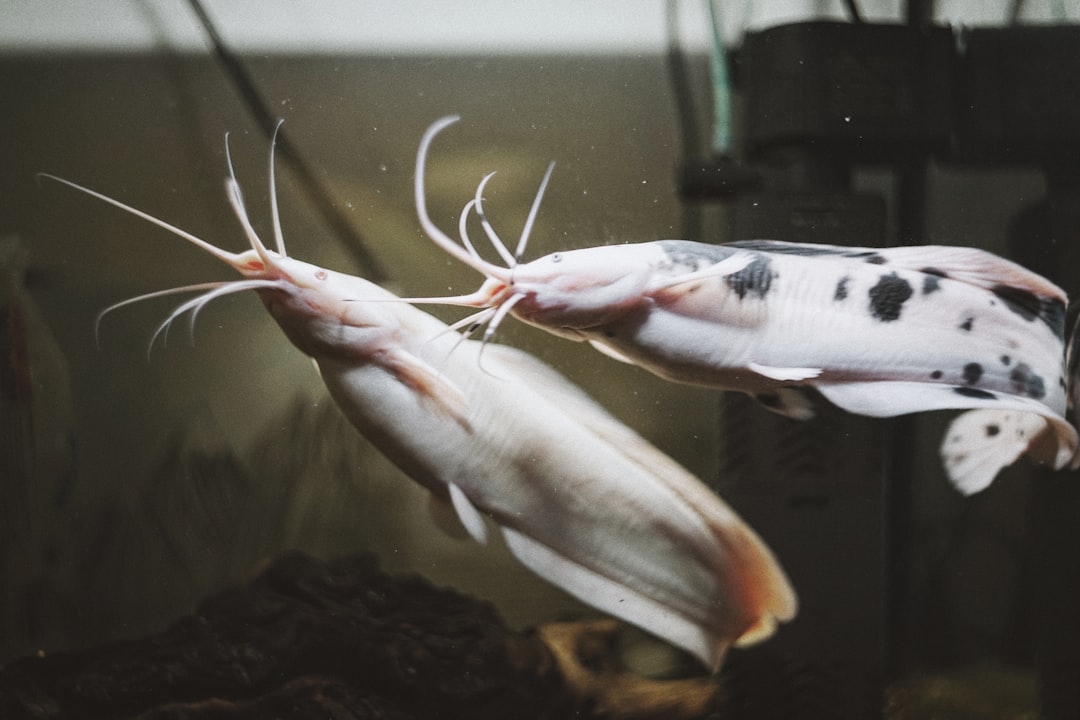
Tiny, sociable, and endlessly entertaining, Corydoras pygmaeus is one of the finest nano fish available to hobbyists. This pygmy corydoras shoal care guide from Gensou Aquascaping, 5 Everton Park, Singapore, covers everything you need to keep these miniature catfish thriving. Unlike their larger cousins that hug the substrate, pygmy corydoras spend much of their time hovering in mid-water, darting about in tight little groups that never fail to charm.
Species Profile
Corydoras pygmaeus reaches a maximum size of just 2.5 cm, with females slightly larger and rounder than males. They originate from the Madeira River basin in Brazil, where they inhabit slow-moving tributaries with sandy bottoms and leaf litter. Lifespan is typically 3-4 years with good care.
Do not confuse them with Corydoras hastatus or Corydoras habrosus, the other two “dwarf” corydoras species. While all three are small, pygmaeus is the mid-water swimmer, hastatus hovers near the surface, and habrosus stays closer to the bottom.
Tank Size and Setup
A shoal of 10-12 pygmy corydoras fits comfortably in a 30-litre nano tank, though a 45-litre or larger aquarium provides more stable water parameters and room for tankmates. Sand substrate is essential, as gravel can damage their delicate barbels during foraging. Fine pool filter sand or ADA La Plata Sand works well and costs around $8-15 per bag on Shopee or Lazada.
Add driftwood, leaf litter, and low-growing plants like Cryptocoryne parva to create sheltered areas. These catfish appreciate gentle flow and dim lighting, so floating plants such as Salvinia minima help diffuse overhead light.
Water Parameters
Pygmy corydoras thrive in soft, slightly acidic water, which aligns perfectly with Singapore’s PUB tap water. Maintain a pH of 6.0-7.2, GH of 2-8, and temperature of 24-28°C. Our ambient room temperature of 28-30°C sits at the upper end of their comfort zone. During particularly hot weeks, a small clip-on fan blowing across the water surface can drop temperatures by 2-3°C through evaporative cooling.
Weekly water changes of 25-30% keep nitrates below 20 ppm. Always dechlorinate, as Singapore’s tap water contains chloramine that is lethal to small fish even in trace amounts.
Shoal Size Matters
Never keep fewer than eight pygmy corydoras. In groups smaller than six, they become shy, hide constantly, and suffer chronic stress that shortens their lifespan. A shoal of 12-15 is ideal. At that number, you will see their natural mid-water hovering behaviour, where the entire group suspends in the water column like a living cloud before suddenly darting to the substrate in unison.
Their schooling instinct is one of the tightest among freshwater fish. Watching a well-settled shoal is genuinely mesmerising.
Feeding
Small mouths demand small foods. Crushed high-quality flakes, micro pellets, and frozen cyclops or baby brine shrimp form the staple diet. Feed twice daily in amounts the shoal consumes within two minutes. Overfeeding fouls the water quickly in nano tanks.
Supplement with blanched vegetables occasionally. A thin slice of courgette left overnight gives the shoal something to graze on and adds variety. Live grindal worms are an excellent treat that triggers vigorous feeding behaviour.
Compatible Tankmates
Choose tankmates carefully. At 2.5 cm, pygmy corydoras are prey-sized for many common community fish. Safe companions include ember tetras (Hyphessobrycon amandae), chili rasboras (Boraras brigittae), and small shrimp species like Neocaridina davidi. Avoid bettas, dwarf cichlids, and anything with a mouth large enough to swallow them.
Otocinclus catfish make peaceful co-inhabitants that occupy a different feeding niche, grazing on biofilm and algae while the pygmies forage for micro-organisms.
Breeding Pygmy Corydoras
Breeding occurs readily in well-maintained tanks. Females deposit one or two adhesive eggs at a time on plant leaves and glass surfaces. A single spawning event may produce 20-40 eggs over several hours. The eggs hatch in 3-4 days at 27°C, and the tiny fry feed on infusoria and biofilm initially before graduating to freshly hatched brine shrimp nauplii.
In a densely planted tank with ample hiding spots, some fry survive even in a community setting. For higher survival rates, transfer eggs to a separate 10-litre rearing container with an air-powered sponge filter and matching water parameters. Within two months, juveniles reach 1 cm and can rejoin the main shoal.
Related Reading
- How to Breed Pygmy Corydoras: Micro Cory Spawning in Nano Tanks
- How to Breed Pygmy Corydoras: Tiny Eggs on Glass and Leaves
- Pygmy Corydoras Tank Mates: Tiny Bottom Dwellers Need Gentle Friends
- Corydoras Catfish Care Guide: Species, Feeding and Tank Setup
- How to Breed Corydoras Panda: Conditioning, Spawning and Fry Care



