
Mystus Catfish Care Guide: Striped Asian Predator
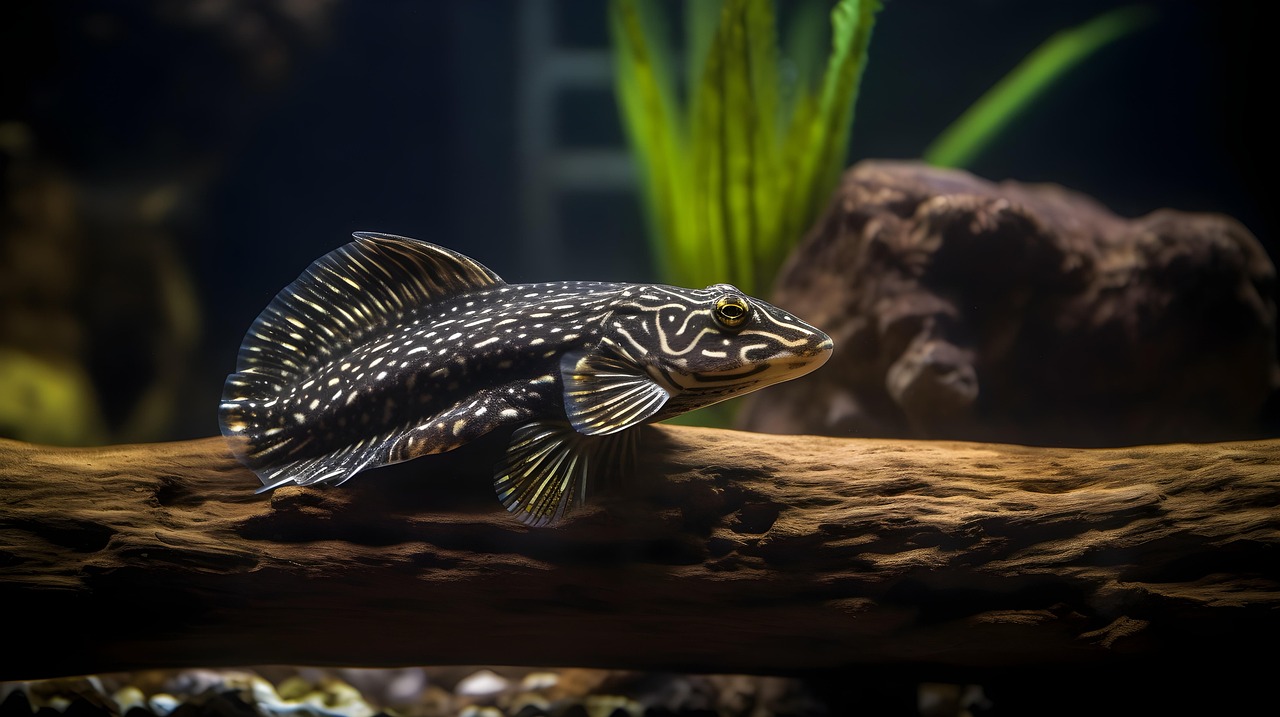
Sleek, striped and unapologetically predatory, Mystus catfish are among Asia’s most characterful freshwater species. This mystus catfish care guide from Gensou Aquascaping at 5 Everton Park, Singapore, explains how to house, feed and manage these whiskered hunters safely. Several species fall under the Mystus genus — the most commonly kept being Mystus tengara and Mystus vittatus — and all share a bold, active temperament that makes them fascinating to observe. Understanding their predatory nature before purchase saves both frustration and fish lives.
Species Overview
Mystus catfish are found across South and Southeast Asia in rivers, streams and standing water bodies. They typically grow to 15-20 cm in aquariums, depending on species. Their elongated body features prominent barbels (whiskers), a forked tail and distinctive horizontal stripes — usually one to three dark lines running from head to tail. They are primarily nocturnal, becoming most active after lights-out when they patrol the tank searching for food.
Tank Size and Setup
A minimum of 200 litres is essential for a small group. These catfish are active swimmers that use the full length of the tank during nighttime foraging runs. Provide plenty of cover — driftwood tangles, PVC pipes and overhangs give them daytime retreats. Dim lighting or floating plants help them feel secure enough to emerge during the day. A sandy substrate protects their barbels from abrasion. Secure the lid firmly; Mystus catfish are accomplished jumpers, especially during the first few days after introduction.
Water Parameters
Mystus species are adaptable and tolerate a broad range of conditions: pH 6.0-7.8, GH 4-18 and temperatures of 22-28 °C. Singapore’s tap water works well after standard dechlorination. They handle slightly warmer temperatures without issues, which suits our climate. Maintain good filtration — these messy eaters produce significant waste, so an oversized canister filter or a sump system is recommended. Keep ammonia and nitrite at zero, and nitrate under 30 ppm with regular 30% weekly water changes.
Feeding
Mystus catfish are opportunistic predators and scavengers. In the aquarium, they accept sinking pellets, frozen prawns, bloodworms, earthworms and market shrimp cut into appropriate pieces. Live feeder fish are unnecessary and risk introducing disease. Feed after lights-out for consistent results — drop food near their preferred hiding spots. Young fish eat daily; adults can be fed every other day. Overfeeding leads to water quality problems quickly given their large appetite and correspondingly heavy waste output.
Tank Mate Considerations
This is where careful planning matters. Any fish small enough to fit in a Mystus catfish’s mouth will eventually become a meal — and their mouths are larger than most people expect. Avoid housing them with small tetras, rasboras, guppies or shrimp. Suitable companions include medium to large cichlids, larger barbs (tinfoil barbs, denison barbs), large gouramis and other catfish of similar size. Keeping Mystus in groups of three or more reduces aggression towards tank mates and produces more natural social behaviour.
Behaviour and Temperament
During daylight, expect your Mystus to lurk under cover, occasionally poking barbels out to sense their surroundings. After dark, they transform into tireless cruisers, methodically searching every corner. They are not aggressive towards fish they cannot swallow but will chase competing catfish away from prime resting spots. Nocturnal feeding frenzies — especially when live or frozen food hits the water — reveal just how fast and coordinated these predators truly are. A moonlight LED lets you watch the show without disturbing them.
Health and Longevity
Mystus catfish are generally hardy, with lifespans of 8-12 years in well-maintained aquariums. Common issues include barbel erosion from rough substrate and bacterial infections following physical injury. Their scaleless skin makes them sensitive to certain medications — avoid copper-based treatments and use half-doses of anything containing malachite green. Proper mystus catfish care centres on clean water, appropriate diet and stress-free housing. Quarantine all new additions for at least two weeks before introducing them to an established tank.
Sourcing in Singapore
Several Mystus species are available in Singapore, often labelled generically as “striped catfish” at local shops. Prices are modest — typically $5-$15 per fish depending on species and size. Shops along Serangoon North Avenue 1 and at C328 Clementi stock them regularly. Wild-caught specimens occasionally appear on Carousell. Always confirm the species before purchasing, as some Mystus grow considerably larger than others. Armed with this mystus catfish care guide, you can make an informed choice and provide a proper home for these captivating Asian predators.
Related Reading



