
Unicorn Tang Care Guide: Large Bodied Surgeonfish
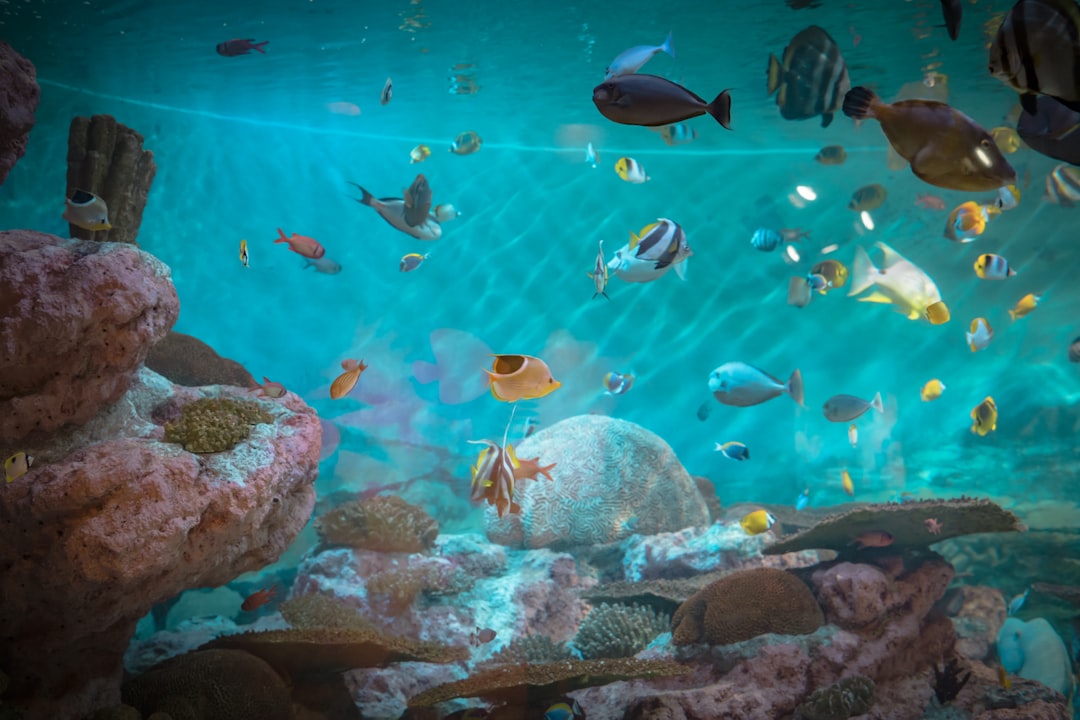
Among the largest surgeonfish ever sold in the trade, Naso unicornis and its horned relative Naso brevirostris grow to sizes most hobbyists underestimate by a wide margin. This unicorn tang care guide from Gensou Aquascaping at 5 Everton Park covers the realistic tank footprint, the diet, and the horn development timeline for buyers considering this impressive species. In Singapore conditions, it is a fish for custom-built 10ft systems and dedicated fish-only installations, not standard reef displays.
Quick Facts
- Species covered: Naso unicornis (bluespine) and Naso brevirostris (spotted)
- Adult size: 50-70cm in the wild, 40-55cm typical captive
- Minimum tank: 1400 litres (370 gallons), 10ft length
- Temperament: peaceful, gentle giant behaviour
- Reef safe: mostly, may graze some LPS and soft corals at size
- Diet: macro-algae and floating algae, some zooplankton
- Lifespan: 30 years plus
Two Species, Similar Needs
The bluespine unicorn (N. unicornis) develops a short forward-pointing horn that emerges at around 15cm body length. The spotted unicorn (N. brevirostris) grows a much longer, more dramatic horn from roughly 20cm. Both need similar space and diet, and both reach adult sizes far beyond what most shops disclose at point of sale.
Juveniles of both species lack the horn and show juvenile patterning that fades as they mature. Buyers often assume the horn is a reliable species identifier and realise their mistake when a 10cm juvenile doubles in six months.
Tank Footprint
A 10ft length is a practical minimum for long-term adult housing. In Singapore HDB conditions this is usually impossible without structural engineer input due to floor loading limits. Landed properties and basement installations are the realistic venues.
Acrylic rather than glass at this size reduces weight and the risk of stress fracture. Depth front-to-back matters, 90cm minimum, to give the fish a comfortable turning radius. Height matters less than length.
Filtration and Oxygenation
A 500 litre sump and a skimmer rated for at least 2000 litre display volume is the baseline. Oxygen demand from a single adult unicorn tang is substantial and surface agitation must be aggressive. Two return pumps rather than one gives redundancy.
Nitrate should stay below 15 ppm. Large herbivores produce substantial waste and weekly 10 percent water changes across a 1500 litre system means 150 litres of mixed saltwater each week, which has real cost and storage implications.
Diet and Feeding Volume
Unicorn tangs eat constantly. Three full nori sheets per day is not excessive for an adult. Macro-algae from a refugium, frozen mysis, LRS Reef Frenzy and quality herbivore pellets fill out the diet. Feed four to six times a day in small portions rather than two large meals.
These fish also take floating food such as algae flake dispersed from a surface auto-feeder during work hours. A 40-gram tub of Hikari Marine-A pellets lasts roughly two weeks with a single adult unicorn.
Temperament
Remarkably peaceful for their size. Unicorn tangs are gentle cruisers that rarely bully even small fish. Pairing with other tangs works in large enough systems because body shape is distinct enough from Zebrasoma and Acanthurus species to avoid conflict.
The only genuine concern is accidental damage from a 50cm fish turning in a too-small tank, clipping corals or knocking loose aquascape. Glue rock structures and epoxy frags firmly.
Reef Compatibility Caveats
Juveniles are fully reef safe. Adults occasionally graze large LPS polyps, soft corals and Zoanthid mats, not out of hunger but curiosity. Smaller fragments are at risk of being knocked around rather than eaten. SPS generally remains untouched.
Fish-only-with-live-rock (FOWLR) systems suit this species better than high-end SPS reefs, particularly once the fish exceeds 30cm.
Water Parameters
Temperature 25-26 degrees C (chiller mandatory in Singapore), salinity 1.025, alkalinity 8-9 dKH. Target DO above 7 mg/L. Large unicorn tangs are notably sensitive to low oxygen during power interruptions, so a battery backup powerhead is recommended.
Quarantine Protocol
A standard 30-day copper quarantine at 2.0-2.5 ppm in a 400 litre or larger quarantine tank. Large specimens do not fit in typical 100 litre QT tanks and forcing them in causes stress-related disease within a week.
Unicorn tangs are moderately ich-resistant but highly susceptible to internal parasites from shipping. A prophylactic metronidazole course for 10 days during quarantine pays off in long-term feeding response.
Sourcing in Singapore
Juvenile bluespine unicorns appear regularly at 180-350 SGD. Large specimens above 25cm are less common and run 500-900 SGD. Spotted unicorns are rarer imports and command premium pricing. Aquarium Artist and Iwarna Aquafarm handle special orders.
Buyers should commit only if they have the tank built and cycled first. This is the single most common species returned to shops because owners underestimated adult size within the first two years.
Related Reading
Yellow Tang Care Guide
Blue Regal Tang Care Guide
Reef Tank vs Fish Only Marine
How to Start a Reef Tank in Singapore
Marine Aquarium Equipment Checklist



