
Japanese Trapdoor Snail Care Guide: Live-Bearing and Hardy
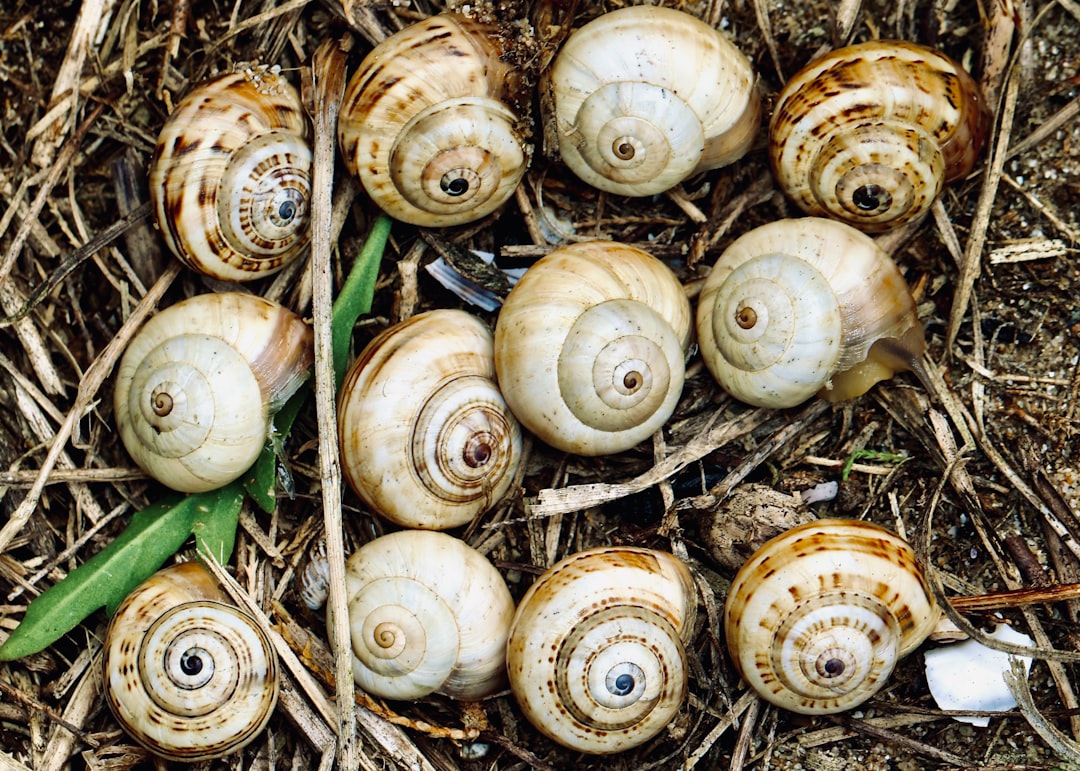
This japanese trapdoor snail care guide introduces a reliable and attractive freshwater snail that has earned a loyal following among planted tank enthusiasts. At Gensou Aquascaping, located at 5 Everton Park, Singapore, we value the Japanese trapdoor snail (Cipangopaludina japonica) for its algae-eating habits, peaceful nature and the unique characteristic that gives it its name.
Species Overview and Origin
The Japanese trapdoor snail is native to East Asia, found naturally in ponds, lakes and slow-moving waterways across Japan, China and Korea. It gets its common name from the operculum, a hard, door-like plate that seals the shell opening when the snail retracts, providing protection from predators and unfavourable conditions. Adults reach 4 to 6 centimetres in shell diameter, with a smooth, rounded shell that varies in colour from olive green to dark brown, sometimes with subtle banding. Unlike many aquarium snails, this species is live-bearing rather than egg-laying, which means you will never find unsightly egg clutches on your glass or hardscape.
Tank Size and Setup
Japanese trapdoor snails are adaptable and can be housed in tanks as small as 40 litres, though larger setups provide more grazing surface and stable water conditions. They are equally at home in planted aquariums, community tanks and even outdoor ponds. Provide a substrate of sand or fine gravel that allows easy movement. These snails graze on surfaces throughout the tank, so a variety of hardscape including rocks and driftwood offers additional foraging area. Ensure the tank has a secure lid, as they occasionally climb above the waterline, particularly at night.
Water Parameters
One of the greatest strengths of the Japanese trapdoor snail is its tolerance of a wide range of water conditions. They thrive at temperatures between 18 and 28 degrees Celsius, making them well-suited to Singapore’s tropical climate without requiring a heater. The ideal pH sits between 6.5 and 8.0, and general hardness should be moderate to high at 8 to 18 dGH. Calcium is essential for healthy shell growth, so if your water is soft, supplement with cuttlebone, crushed coral in the filter or a calcium-enriched food. Avoid copper-based medications, as copper is toxic to all invertebrates including snails.
Diet and Feeding
Japanese trapdoor snails are efficient algae grazers and detritivores. They consume soft algae from glass, rocks and plant leaves, as well as decaying plant matter and leftover fish food. In a well-stocked community tank, they may not require supplemental feeding. However, in cleaner setups with limited algae growth, offer blanched vegetables such as courgette, spinach and cucumber. Algae wafers and calcium-rich snail foods support both nutrition and shell health. Feed supplemental foods every two to three days, removing uneaten portions after 12 hours to prevent water quality issues.
Benefits in the Aquarium
Japanese trapdoor snails provide several practical benefits. They graze on algae and biofilm, helping to keep surfaces clean without damaging live plants. Their burrowing activity gently aerates the upper layer of the substrate, preventing anaerobic pockets from forming. Unlike pest snails such as bladder snails or Malaysian trumpet snails, Japanese trapdoor snails reproduce slowly and do not overrun a tank. Their live-bearing reproductive strategy means no egg masses on the glass, which many aquarists find aesthetically preferable. They also serve as useful indicators of water quality, as they become inactive or seal their operculum when conditions deteriorate.
Temperament and Tank Mates
These snails are entirely peaceful and pose no threat to any tank mate. They coexist harmoniously with fish, shrimp, other snail species and live plants. Avoid keeping them with known snail predators such as pufferfish, large cichlids or assassin snails. Loaches, particularly clown loaches and yoyo loaches, may also harass or eat them. In a peaceful community setup, Japanese trapdoor snails move slowly across surfaces throughout the day and night, quietly performing their cleaning duties without disturbing other inhabitants.
Breeding Japanese Trapdoor Snails
Breeding occurs naturally when males and females are present, though sexing them externally is difficult. The species is gonochoric, meaning individuals are either male or female. Females give birth to fully formed, miniature snails rather than laying eggs. Broods are small, typically consisting of one to twenty young, released over a period of time. The slow reproduction rate is a significant advantage, as the population grows gradually and never becomes a nuisance. Juvenile snails are self-sufficient from birth and begin grazing on biofilm immediately. No special breeding conditions are required beyond stable water quality and adequate food supply.
Sourcing and Final Advice
Japanese trapdoor snails are available through aquarium shops and online sellers in Singapore, though they may be labelled simply as trapdoor snails or mystery snails. Verify the species before purchasing, as true Japanese trapdoor snails differ from apple snails and other commonly mislabelled species. Healthy specimens should have intact shells without excessive pitting or erosion and should retract firmly when handled. Visit Gensou Aquascaping at 5 Everton Park for advice on integrating these snails into your planted aquarium. With minimal effort, they provide years of quiet, effective service as part of your clean-up crew.
Related Reading
- How to Breed Japanese Trapdoor Snails: Live-Bearing Viviparidae
- How to Breed Assassin Snails: Slow but Steady Reproduction
- Assassin Snail vs Pest Snails: How Effective Are They Really?
- Black Devil Snail Care Guide: Faunus ater in Planted Tanks
- Blue Mystery Snail Care Guide: Sky-Blue Shell and Gentle Nature



