
Placidochromis Electra Deep Water Care: Hap Display Cichlid
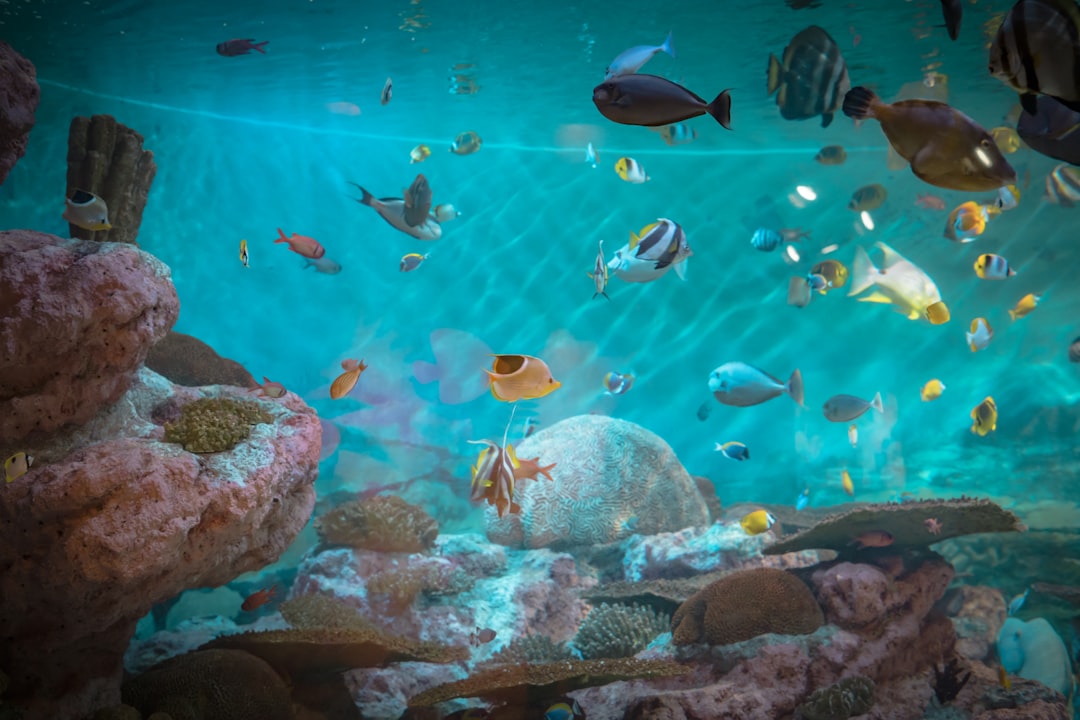
Placidochromis electra — the Deep Water Hap — is one of the calmer ambassadors of the Malawi hap group, favoured by hobbyists who want size and colour without peacock-level fragility. Placidochromis electra deep water care comes down to sand substrate, correct Rift Lake chemistry, enough swimming volume, and a patient hand during the 14-month grow-out to full male colouration. This guide from Gensou Aquascaping at 5 Everton Park covers the species as kept in Singapore.
Quick Facts
- Origin: Lake Malawi, northwestern shores, 10-40 metre depth
- Adult size: males 17-20 cm, females 13-15 cm
- Water: pH 7.8-8.5, GH 10-18, KH 8-12, 25-27 degrees C
- Minimum tank: 400 litres for a harem, 600+ litres preferred
- Behaviour: sand sifter and follower of larger cichlids hunting invertebrates
- Diet: carnivore leaning, micro-invertebrates from sand
- Breeding: maternal mouthbrooder, 25-30 eggs per clutch
- Temperament: peaceful-to-moderate hap, low among conspecifics
The Deep Water Hap in the Wild
Along Malawi’s northwestern shoreline, P. electra follows larger sand-sifters like Taeniolethrinops and picks off invertebrates disturbed from the substrate — a commensal hunting strategy that shapes tank behaviour. They cruise the sand-rock interface at 10-40 metres, where temperatures hold around 23-25 degrees C and the water is a stable pH 8.2.
Adult males show electric cobalt blue on the body, a contrasting black face mask, and a pale dorsal edge. Females stay silver-gold with three faint lateral blotches.
Why Choose Electra for a Singapore Display
Electra tolerates a slightly wider temperature band than peacocks and rarely commits the dominance murders some Aulonocara do. Colour holds even when subdominant, and the blue-black contrast is striking under LED. Singapore importers quote $40-70 per unsexed juvenile at 6-8 cm, with F1 Czech and Polish lines at a premium.
Hybrid issues are less common than with peacocks, but still check provenance. Crosses with P. phenochilus Mdoka show up occasionally and can confuse buyers.
Tank Footprint Requirements
Electras want length over depth. A 150 cm x 50 cm x 50 cm tank (around 375 litres) is the realistic minimum for a 1M:3F group with tankmates. Bigger is better. Footprint floor space beats tank height for sand sifters, who patrol the substrate plane and ignore the upper third of a tall tank.
HDB or condo placement should account for 500-700 kg total weight on a footprint of roughly 0.75 square metres. That sits within typical floor loading if spread across a proper steel stand, but always check the rating for landed or older HDB builds.
Substrate and Layout
Sand is non-negotiable. Electras dig, sift mouthfuls, and expel through the gills — gravel wears their gill rakers raw and can lodge lethally. Use silica pool-filter sand or aragonite sand at 3-4 cm depth. Aragonite contributes long-term buffering; pure silica relies on the Rift Lake salt and any limestone rock alone.
Rockwork should be sparse and low. Two discrete piles at each end leaves the centre open — critical for display swimming. Ocean rock, holey limestone or clean Texas holey rock works; lava rock is too porous and holds detritus in Singapore’s warm conditions.
Water Chemistry and Filtration
Treat PUB tap water with a dechlorinator that handles chloramine (Seachem Prime, API Tap Water Conditioner). Add Rift Lake salt mix at 1 teaspoon per 20 litres. Let the new water aerate at least 6 hours before adding to the display — this offgasses any residual CO2 and stabilises pH at 8.0-8.3.
Filtration at 6-8 times volume per hour is the standard target. A 400-litre tank runs comfortably on an Eheim 2080 plus a modest sump, or twin Fluval FX6 canisters. Nitrate target under 20 ppm; haps suffer gradual colour loss above 40 ppm.
Feeding and Foraging
Electras pick at the sand constantly. Feed sinking pellets rather than floating — they ignore surface food and compensate by picking at leftover detritus, which fouls substrate fast. Hikari Cichlid Gold Sinking, New Life Spectrum Cichlid Formula and Northfin Cichlid Formula all suit.
Frozen mysis, krill and cyclops twice weekly. Avoid mammalian protein and beef heart. A small sand-sifting group like Synodontis multipunctatus or a shoal of Cyprichromis (in a Tanganyikan-compatible setup, rare in Malawi tanks) adds activity that can stimulate Electra foraging behaviour.
Mouthbrooding Pattern
Spawning follows the Malawi hap script. A male in colour clears a shallow sand depression, attracts a gravid female with T-display and dorsal flaring, and spawns 25-30 eggs that she takes into her buccal pouch. Incubation runs 25-30 days at 26 degrees C.
Holding females are easy to spot by their distended throat and refusal to feed. Electras are relatively gentle mothers — swallow incidents are rarer than in some peacocks — so leaving her in the display usually works. Strip at day 21 if the tank is busy. Free-swimmers take baby brine and microworm within a day of release.
Tankmates and Long-Term Stability
Pairs well with Copadichromis borleyi, Protomelas taeniolatus Red Empress, Nimbochromis species, and peacocks. Avoid high-aggression mbuna. A 10-year-old Electra tank in Singapore is a genuinely beautiful thing when left to mature — males reach full colour and territorial stability that no juvenile system matches.
Related Reading
Placidochromis Electra Care Guide
Peacock Cichlid Care Guide
Lake Malawi Biotope Aquascape
Lake Malawi Sand-Dwelling Cichlids
Aquascape for African Cichlid Tank



