
Purple Tang Care Guide: Red Sea Endemic Husbandry
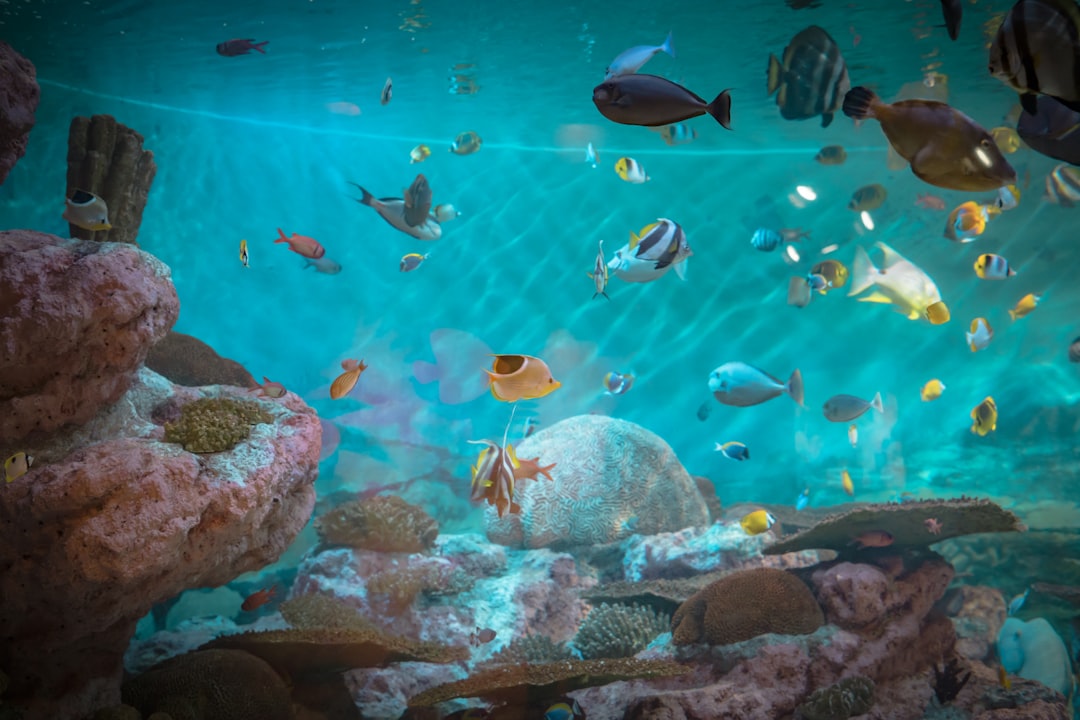
Zebrasoma xanthurum commands some of the highest prices in the surgeonfish trade because its entire natural range sits within the Red Sea and Arabian Gulf, both tightly controlled collection zones. This purple tang care guide marine from Gensou Aquascaping at 5 Everton Park breaks down the husbandry standards this premium fish deserves, from the slightly higher salinity it prefers to the aggressive streak that shapes tank-mate selection. The purple tang is not a difficult fish, but it is an expensive one to get wrong.
Quick Facts
- Scientific name: Zebrasoma xanthurum
- Adult size: 22-25cm
- Minimum tank: 450 litres (120 gallons), 1.5m length
- Origin: Red Sea, Arabian Gulf, Gulf of Aden endemic
- Temperament: semi-aggressive, territorial with Zebrasoma
- Reef safe: yes, fully coral and invertebrate safe
- Lifespan: 20 years plus
Red Sea Husbandry Standards
Red Sea water naturally runs slightly saltier than the Pacific, averaging 1.027 SG versus the standard reef target of 1.025. Purple tangs thrive at 1.025-1.027 SG and show best colour toward the upper end. A purpose-designed Red Sea salt mix (Red Sea Salt or Red Sea Coral Pro) replicates the ionic profile better than Pacific-origin salts.
Temperature 25-26 degrees C, alkalinity 8-9 dKH, calcium 420-440 ppm, magnesium 1300-1400 ppm. Purple tangs tolerate slightly higher alkalinity than many reef fish and are often kept in Red Sea biotope reefs with dKH 10-11.
Tank Size and Aquascape
A 5ft 450 litre tank is the realistic minimum for long-term keeping. Like all Zebrasoma species the purple tang is a strong patroller and short tanks cause fin erosion over time.
Aquascape with Red Sea-style sandy flats and pillar rock structures rather than a solid back wall. This gives the fish swimming lanes on all four sides of rockwork and reduces territorial disputes with tank mates.
Aggression and Tank Mates
Purple tangs are more territorial than yellow tangs. Do not keep two Zebrasoma in the same tank under 750 litres. Avoid sailfin tangs, scopas tangs and even unrelated oval-bodied fish like yellow foxface, which triggers the same shape-based aggression.
Good tank mates include clownfish, wrasses, cardinals, firefish, anthias, blennies and gobies. Angelfish (dwarf or large) work if added simultaneously. Add the purple tang last to the system to blunt territorial claims.
Diet and Feeding
A dedicated herbivore. Clip a full nori sheet daily (preferably purple or red nori, which matches its native forage profile), plus mysis, brine and LRS Reef Frenzy twice a week. Quality herbivore pellets such as TDO Chroma Boost or Hikari Marine-A maintain colour saturation.
Feed three to four small meals daily. Soak frozen food in Selcon and VitaChem two or three times a week to support immune response and colour. Purple tangs fade noticeably on poor diet within six months.
Quarantine Protocol
30-day copper quarantine at 2.0-2.5 ppm is standard. Purple tangs are moderately ich-susceptible, less so than powder blue but more than yellow tang. Tank-transfer method also works if copper is avoided.
Feed heavily during quarantine. Expensive fish in a sterile bare-bottom tank deteriorate quickly without visual stimulation and multiple feedings. Clip nori immediately on introduction to quarantine, even before the fish has settled.
Water Quality
Nitrate below 10 ppm, phosphate below 0.08 ppm. Purple tangs show HLLE at chronically elevated nutrients. Head and lateral line erosion regenerates slowly over many months with improved diet and water quality, but prevention is far easier.
Weekly 10 percent water changes with a Red Sea-profile salt mix and stable alkalinity dosing form the basis of long-term success.
Breeding Notes
Captive breeding is rare. Biota and a few research programs have produced aquacultured Zebrasoma including a small number of purple tangs. Aquacultured stock adapts to frozen food faster and arrives free of wild parasites, justifying a premium of 30-50 percent over wild collection.
Colour Variation
Yellow tail intensity and body purple saturation vary by collection zone and diet. Jordanian and Israeli collection typically show the richest purple, while Eritrean and Yemen stock can appear slightly duller. Diet rich in carotenoids maintains colour through the fish’s life.
Sourcing in Singapore
Purple tangs are premium imports, usually 400-900 SGD depending on size. Iwarna Aquafarm, Aquarium Artist and some Pasir Ris Farmway specialists bring them in via UAE or Egypt handling stations. Large specimens above 15cm often arrive stressed and take longer to settle than juveniles at 8-10cm.
Ask to see the fish eating before deposit, inspect for fin damage from shipping, and insist on a 5-7 day guarantee at this price point.
Related Reading
Yellow Tang Care Guide
How to Quarantine Marine Fish
Marine Ich Treatment Guide
Best Salt Mix Guide
Marine Water Change Schedule



