
Red Lizard Whiptail Catfish Care Guide: Rineloricaria Species
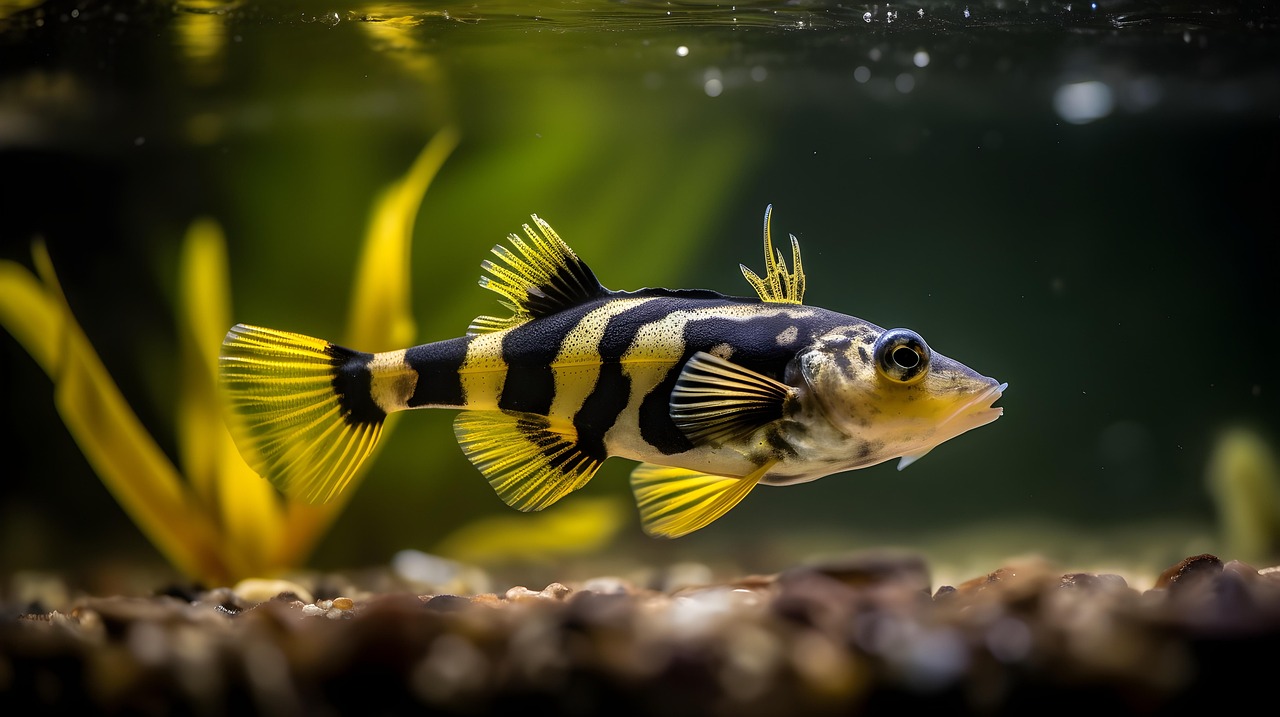
Slender, striking, and endlessly entertaining to watch, the red lizard whiptail catfish is a favourite among planted tank enthusiasts who want a bottom dweller with real character. A selectively bred colour form of Rineloricaria species, this fish combines the algae-grazing utility of a pleco with the delicate elegance of a twig catfish. This red lizard whiptail catfish care guide from Gensou Aquascaping at 5 Everton Park, Singapore, covers everything from tank setup to successful breeding.
Species Profile and Appearance
Red lizard whiptails grow to about 10-12 cm in length, with females slightly smaller than males. Their elongated body, flattened profile, and warm orange-red colouration make them stand out against green carpeting plants and dark substrates. Males develop small bristle-like odontodes along the snout and pectoral fins as they mature, which distinguishes them from the smoother-faced females.
Tank Size and Setup
A 60 litre tank is the minimum for a pair, though 80 litres or more gives them room to establish comfortable territories. Sand or fine gravel substrate is essential; coarse gravel can damage their delicate undersides. Include driftwood, PVC tubes, or bamboo tubes as hiding spots and potential breeding caves.
Moderate flow suits these catfish well. A hang-on-back or small canister filter provides adequate circulation without creating excessive current. In Singapore’s warm climate, tank temperatures naturally sit around 26-29 °C, which falls within their preferred range of 24-28 °C. A small clip-on fan can help during hotter months if temperatures creep above 30 °C.
Water Parameters
Singapore’s soft PUB tap water, once treated for chloramine, provides a near-ideal starting point. Aim for pH 6.0-7.2, GH 2-8, and KH 1-5. These catfish tolerate a reasonable range but breed most readily in softer, slightly acidic conditions. Weekly water changes of 20-30% keep nitrates below 20 ppm, which is important for their long-term health.
Feeding and Diet
Despite their algae-grazer reputation, red lizard whiptails are omnivores that need varied nutrition. Sinking wafers, blanched courgette or cucumber slices, and frozen bloodworms form a solid dietary base. They will rasp biofilm and soft algae from driftwood and glass, but this alone is insufficient.
Feed after lights-out when the fish are most active. Drop a sinking pellet near their favourite hiding spot and watch them emerge within minutes. Supplement with spirulina-based foods twice a week for optimal colour development.
Breeding Red Lizard Whiptails
Breeding is remarkably achievable in a home aquarium. Males guard eggs inside narrow caves, typically PVC or bamboo tubes with an internal diameter of about 2-3 cm. The male fans the clutch of 20-40 eggs continuously until they hatch in roughly seven to ten days at 27 °C.
Condition the pair with protein-rich foods for two weeks before introducing breeding caves. A cooler water change of two to three degrees below tank temperature can trigger spawning. Once fry emerge, they absorb their yolk sac over two days and then accept crushed spirulina wafers and biofilm. Fry grow steadily and reach 3-4 cm within two months.
Compatible Tank Mates
Peaceful community species are the safest companions. Small tetras like embers or neon tetras, rasboras, dwarf gouramis, and Corydoras all share compatible water requirements. Avoid housing them with aggressive cichlids or large plecos that may compete for cave space. Dwarf shrimp coexist well, though newborn shrimp may be consumed opportunistically.
Common Health Issues
Thin or sunken bellies indicate underfeeding, the most common problem new keepers face. These catfish have high metabolisms relative to their size and need daily feeding. Watch for white fuzzy patches on the skin, which may signal fungal infection from poor water quality. Maintaining clean water and varied nutrition prevents most issues. Gensou Aquascaping Singapore recommends quarantining new arrivals for two weeks, as wild-caught specimens occasionally carry internal parasites treatable with praziquantel-based medications.
Where to Find Them Locally
Red lizard whiptails are regularly stocked at specialist fish shops along Serangoon North Avenue 1 and occasionally appear at C328 Clementi. Expect to pay $5-10 per fish. Choose specimens with full, rounded bellies and vibrant colour rather than the palest individuals, which may be stressed or underfed.
Related Reading



