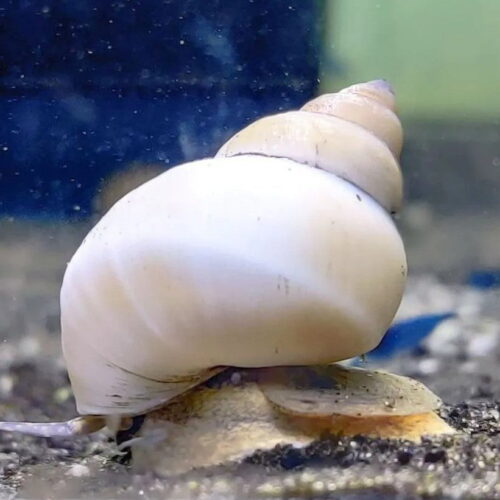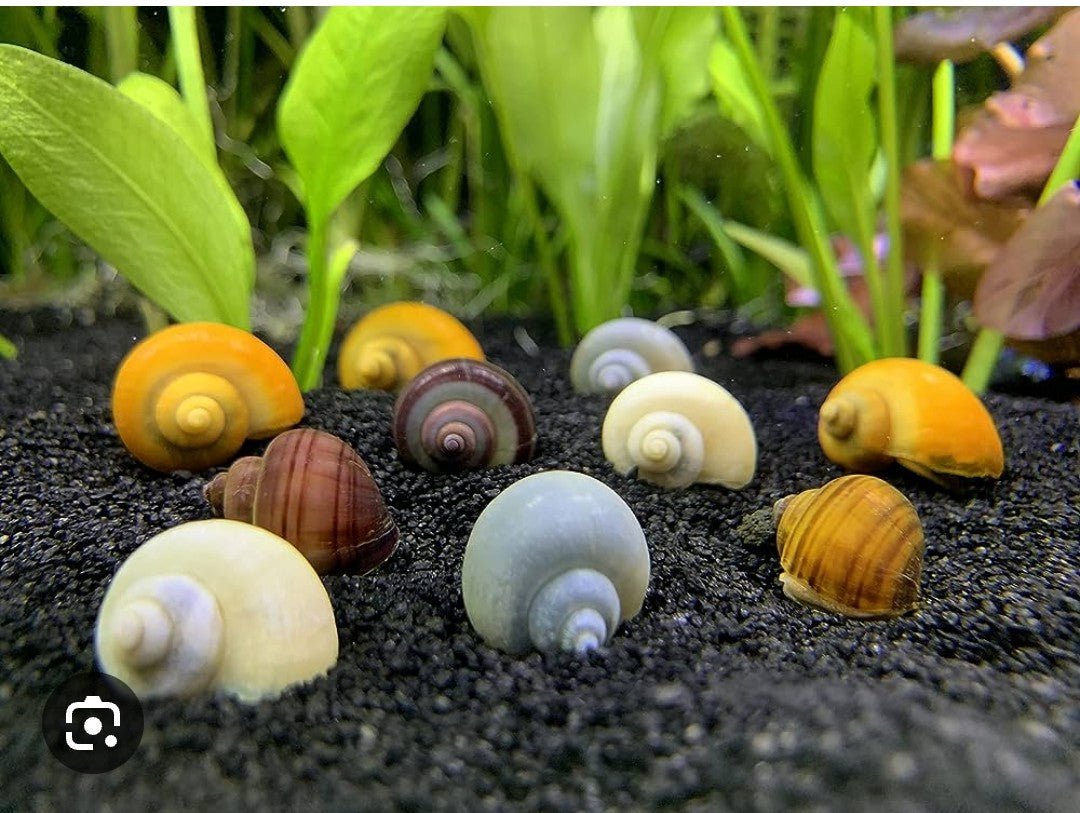

Mystery Snail
Pomacea bridgesii · Peaceful · Beginner care
You save
Out of stock
Ask on WhatsAppAt a glance
Species profile Pomacea bridgesii
Origin
Amazon basin, South America
Family
Ampullariidae
Adult size
Up to 5 cm (2 in)
Diet
Algae, biofilm, blanched vegetables, sinking pellets and leftover food (Omnivore)
Temperament
Peaceful
Swimming level
All levels
Minimum group
1+ (shoaling)
Lifespan
1-3 years
Minimum tank
40 L (10 gal)
Water type
Freshwater
Size to scale
5 cm adult length, shown to scale against an iPhone 15 Pro (14.66 cm).
Natural range
Where it comes from — South America
Amazon basin, South America
Water
Singapore tap water vs its needs
Hardness: Medium to hard (6-15 dGH).
In the aquarium
How it lives in the tank
Swims at every level of the tank
Sensitivity Index — Hardy
Hardy and beginner-friendly; keep up routine water changes and it will thrive.
Our own read on how forgiving this species is of water changes — not a formal standard.
Keeping & care
What this fish needs
Family
About the Ampullariidae family
Ampullariidae are the apple snails, large freshwater snails from the Americas, Africa and Asia with a rounded shell and both a gill and a lung, letting them breathe air at the surface. The hobby's mainstays are Pomacea species — the mystery snail (P. bridgesii/diffusa) is the peaceful, plant-safe favourite, while some other apple snails are voracious plant-eaters. They are hardy, peaceful scavengers that appreciate calcium-rich water to keep their shells strong.
Keep them in hard, calcium-rich water with a tight lid (they climb out), and choose Pomacea bridgesii/diffusa for a planted tank — most other apple snails will eat your plants.
Breeding
Egg-layer (above-water clutch)Mystery snails are easy to breed with a male and female present: the female crawls above the waterline and deposits a firm pink-to-orange clutch on the glass or hood, which hatches in two to four weeks and drops tiny snails into the water. Leave an air gap between the water and the cover for the clutch; the young need no special care beyond the biofilm and leftover food of a mature tank.
Feeding
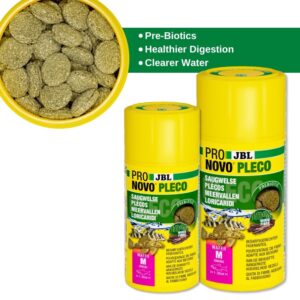
Recommended food
Compatibility
Best tankmates
Community