
Corydoras Catfish Care Guide: Species, Feeding and Tank Setup
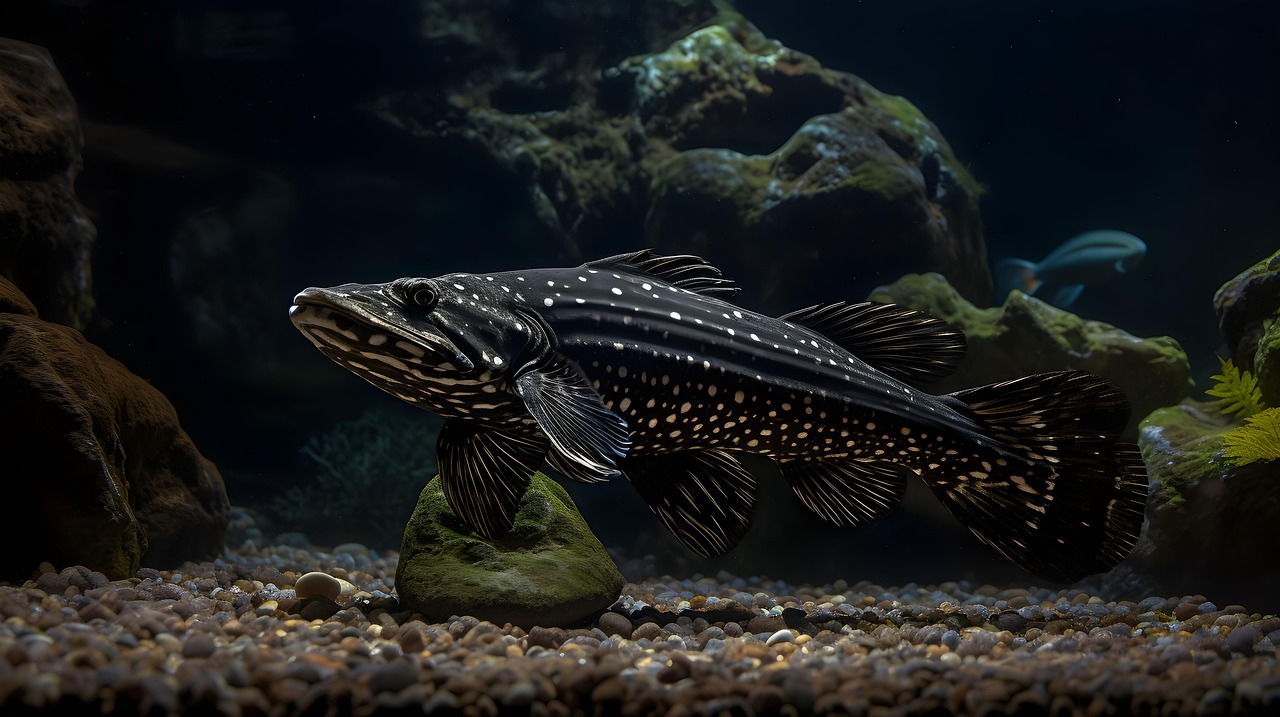
Corydoras catfish are among the most endearing and practical fish you can add to a freshwater aquarium. These armoured bottom-dwellers spend their days happily scooting along the substrate, hoovering up leftover food and entertaining their owners with charming social behaviour. With over 170 described species and many more awaiting formal classification, the Corydoras genus offers remarkable variety. This guide covers everything you need for successful corydoras catfish care, with particular attention to which species thrive in Singapore’s warm climate. This guide sits inside our broader Tropical Fish Species Master Index reference.
Popular Corydoras Species
While the Corydoras genus is vast, a handful of species dominate the aquarium trade. Each has its own character, appearance and — importantly for Singapore hobbyists — temperature preferences.
| Species | Common Name | Adult Size | Temperature Range | Singapore Suitability |
|---|---|---|---|---|
| C. aeneus | Bronze Corydoras | 6 – 7 cm | 22 – 27 °C | Moderate |
| C. paleatus | Pepper Corydoras | 5 – 7 cm | 18 – 25 °C | Poor — needs chiller |
| C. panda | Panda Corydoras | 4 – 5 cm | 20 – 25 °C | Poor — needs chiller |
| C. pygmaeus | Pygmy Corydoras | 2 – 3 cm | 22 – 26 °C | Moderate — needs cooling |
| C. sterbai | Sterbai Corydoras | 6 – 7 cm | 24 – 30 °C | Excellent |
| C. habrosus | Salt and Pepper Corydoras | 2 – 3 cm | 22 – 26 °C | Moderate — needs cooling |
| C. julii | Julii Corydoras | 5 – 6 cm | 23 – 26 °C | Moderate — needs cooling |
Bronze Corydoras (C. aeneus)
The bronze corydoras is the most commonly available species and an excellent beginner fish. Hardy, adaptable and bred in captivity for generations, it tolerates a wider range of conditions than most corydoras. The albino variant is also widely sold.
Panda Corydoras (C. panda)
Named for its black eye patches resembling a panda bear, this charming species is hugely popular but originates from cooler Peruvian mountain streams. It genuinely struggles in Singapore’s heat and should only be kept with reliable cooling.
Pygmy Corydoras (C. pygmaeus)
At just 2 to 3 centimetres, the pygmy corydoras is perfect for nano tanks. Unlike most corydoras, pygmies spend considerable time swimming in the mid-water column rather than exclusively on the bottom. They are best kept in groups of 10 or more.
Sterbai Corydoras (C. sterbai)
The star of this guide for Singapore hobbyists. Sterbai corydoras tolerate temperatures up to 30 °C, making them the clear choice for warm-climate aquariums. They are also strikingly beautiful, with a pattern of white spots on a dark body and distinctive orange pectoral fin spines.
Substrate Requirements
Substrate choice is arguably the single most important factor in corydoras catfish care. These fish spend virtually all their time on the bottom, constantly sifting through the substrate with their sensitive barbels in search of food.
Sand Is Best
Fine sand is the ideal substrate for corydoras. It allows them to engage in their natural sifting behaviour — taking mouthfuls of sand, filtering out food particles, and expelling the sand through their gills. This behaviour is fascinating to watch and is essential for their wellbeing.
Substrates to Avoid
- Sharp gravel: Can damage and erode barbels over time, leading to bacterial infections
- Coarse substrates: Prevent natural foraging behaviour and trap food where corydoras cannot reach it
- Bare glass: While not harmful, it denies them their most natural behaviour
If you are using aquasoil for a planted tank, consider creating a sand-bottomed area in the foreground or along one side specifically for your corydoras. Many aquascapers use a combination of aquasoil in planted areas and fine sand in open foreground zones — this serves both the plants and the bottom-dwellers beautifully.
Tank Setup and Size
Most corydoras species do well in tanks of 60 litres or larger. The dwarf species (pygmy, habrosus) can thrive in tanks as small as 30 litres, provided the group is not too large and water quality is maintained.
Setup Essentials
- Footprint over height: Corydoras benefit more from floor space than water depth. A longer, shallower tank is preferable to a tall, narrow one
- Shelter: Provide driftwood, rocks and dense plant clusters where corydoras can rest during less active periods. They appreciate shaded hiding spots
- Plants: Low-growing plants like Cryptocoryne and Anubias create a natural environment. Floating plants help diffuse light
- Filtration: Moderate flow with good oxygenation. Corydoras occasionally dash to the surface to gulp air — this is normal behaviour, not a sign of low oxygen, though frequent gulping may indicate poor water quality
Water Parameters
While specific requirements vary by species, most commonly kept corydoras share broadly similar water chemistry needs.
| Parameter | General Range | Notes |
|---|---|---|
| Temperature | 22 – 28 °C (species dependent) | See species table above |
| pH | 6.0 – 7.5 | Most species adaptable within this range |
| GH | 2 – 12 dGH | Moderate hardness acceptable |
| KH | 2 – 8 dKH | Stable buffering preferred |
| Ammonia / Nitrite | 0 ppm | Sensitive to poor water quality |
| Nitrate | Below 20 ppm | Regular water changes essential |
Singapore’s PUB tap water, once treated with a dechlorinator, is generally suitable for most corydoras species without significant modification. The moderate hardness and near-neutral pH of local tap water falls within acceptable ranges.
Feeding
A common misconception is that corydoras are “clean-up crew” fish that survive on leftover food alone. While they do scavenge, they need a dedicated diet to stay healthy.
Ideal Diet
- Sinking pellets or wafers: Purpose-made catfish pellets that sink to the bottom are the dietary staple. Feed these after lights-out, when corydoras are most active
- Frozen foods: Bloodworms, brine shrimp and daphnia — all eagerly consumed
- Live foods: Blackworms and tubifex worms are particular favourites and excellent for conditioning breeders
- Blanched vegetables: Courgette (zucchini) slices and peeled cucumber occasionally
Feed once or twice daily. Drop sinking foods near the corydoras’ favourite resting areas to ensure they get their share before mid-water fish intercept everything.
Social Behaviour
Corydoras are highly social fish that should never be kept alone. They form close bonds with conspecifics (members of their own species) and display markedly different behaviour in groups compared to when kept singly or in pairs.
Group Size Guidelines
- Minimum: 6 of the same species
- Ideal: 8 to 12 of the same species
- Dwarf species (pygmy, habrosus): 10 to 15 or more, as they feel safer in larger groups
In a properly sized group, you will observe delightful social behaviours: synchronised resting, group foraging expeditions across the tank floor, and the distinctive “winking” motion where they rapidly move their eyes. Corydoras kept alone or in insufficient numbers often hide, refuse food, and display faded colouration.
Different corydoras species can be kept together in the same tank, but they tend to school only with their own kind. For the best visual impact, invest in a larger group of one species rather than a few of several species.
Tank Mates
Corydoras are among the most peaceful freshwater fish available and make excellent community members.
Ideal Tank Mates
- Neon tetras and cardinal tetras
- Harlequin rasboras and other small rasboras
- Otocinclus catfish
- Small peaceful gouramis (honey gourami, sparkling gourami)
- Shrimp (Amano, cherry, crystal)
- Small livebearers like Endler guppies
Avoid
- Aggressive cichlids — will bully and stress corydoras
- Large bottom-dwellers — territorial conflicts on the substrate
- Fish that nip barbels (some loach species)
Breeding
Many corydoras species breed readily in captivity, making them a rewarding choice for hobbyists interested in fish breeding. The bronze and sterbai corydoras are among the easiest to breed.
Triggering Spawning
- Condition with live foods: Feed bloodworms, brine shrimp and blackworms generously for two weeks
- Simulate the rainy season: Perform a large (50-70%) water change with slightly cooler water (2-3 °C below the tank temperature). This mimics the onset of the rainy season in South America and is the classic trigger
- Lower barometric pressure: Interestingly, many breeders report spawning coinciding with storms and low pressure — something Singapore’s monsoon seasons naturally provide
The Spawning Process
Corydoras have a distinctive “T-position” spawning behaviour. The female holds a few eggs in a pouch formed by her pelvic fins, and the male fertilises them. She then deposits the adhesive eggs on glass, plant leaves or hardscape — typically in groups of 2 to 10 at a time. A single spawning event can produce 100 to 300 eggs.
Eggs hatch in three to five days depending on temperature. The fry are tiny but relatively hardy and can be raised on microworms and baby brine shrimp. Keeping the breeding tank scrupulously clean is essential — corydoras eggs are susceptible to fungus.
Best Species for Singapore
The clear winner for Singapore aquarists is the sterbai corydoras (Corydoras sterbai). Its ability to thrive at temperatures up to 30 °C makes it the only commonly available corydoras that can comfortably handle Singapore’s ambient temperatures without a chiller. Even in an HDB flat without air-conditioning, sterbai corydoras will be perfectly content.
The bronze corydoras comes in second place, tolerating up to 27 °C. In an air-conditioned room or with cooling fans, bronze corydoras can do well in Singapore. Species like panda and pepper corydoras, however, genuinely need a chiller to stay healthy here — their temperature limits of 25 °C and below make them impractical without significant cooling investment.
If you love the look of dwarf corydoras species like pygmies, an air-conditioned setup is advisable. These tiny fish are sensitive to heat stress, and their small body mass means they have little thermal buffer.
For help selecting the right species and setting up an ideal corydoras habitat, Gensou offers comprehensive aquarium consultation and maintenance services designed for Singapore’s unique climate challenges.
Frequently Asked Questions
Why do my corydoras keep going to the surface for air?
Corydoras are facultative air breathers — they have a modified intestine that can absorb oxygen directly from swallowed air. Occasional surface dashes are completely normal and not a cause for concern. However, if your corydoras are constantly at the surface gasping, it may indicate low dissolved oxygen levels, high temperatures, or poor water quality. Check your water parameters and ensure adequate surface agitation for gas exchange.
Can I keep corydoras on gravel?
Smooth, rounded gravel with no sharp edges is acceptable but not ideal. Fine sand is strongly preferred as it allows corydoras to perform their natural sifting behaviour. On sharp or coarse gravel, corydoras barbels can become worn down, damaged and infected over time. If you must use gravel, ensure it is smooth and offer at least one sand-bottomed area in the tank.
Do corydoras eat algae?
Corydoras are not significant algae eaters. While they may incidentally consume small amounts of biofilm and soft algae while foraging, they are primarily carnivorous scavengers. For dedicated algae control, pair them with species like otocinclus catfish or nerite snails.
How long do corydoras live?
With proper care, most corydoras species live 5 to 10 years, with some individuals reaching 15 years or more. Bronze corydoras in particular are known for their longevity. Key factors for a long lifespan include appropriate temperature, clean water, a sand substrate, proper nutrition and adequate social grouping.
Looking to add corydoras to your planted aquarium? Gensou can help with everything from custom tank design to species selection and ongoing maintenance. Reach out to our team to get started.
Related Reading



