
Vampire Shrimp Care Guide: The Gentle Giant of Freshwater Shrimp
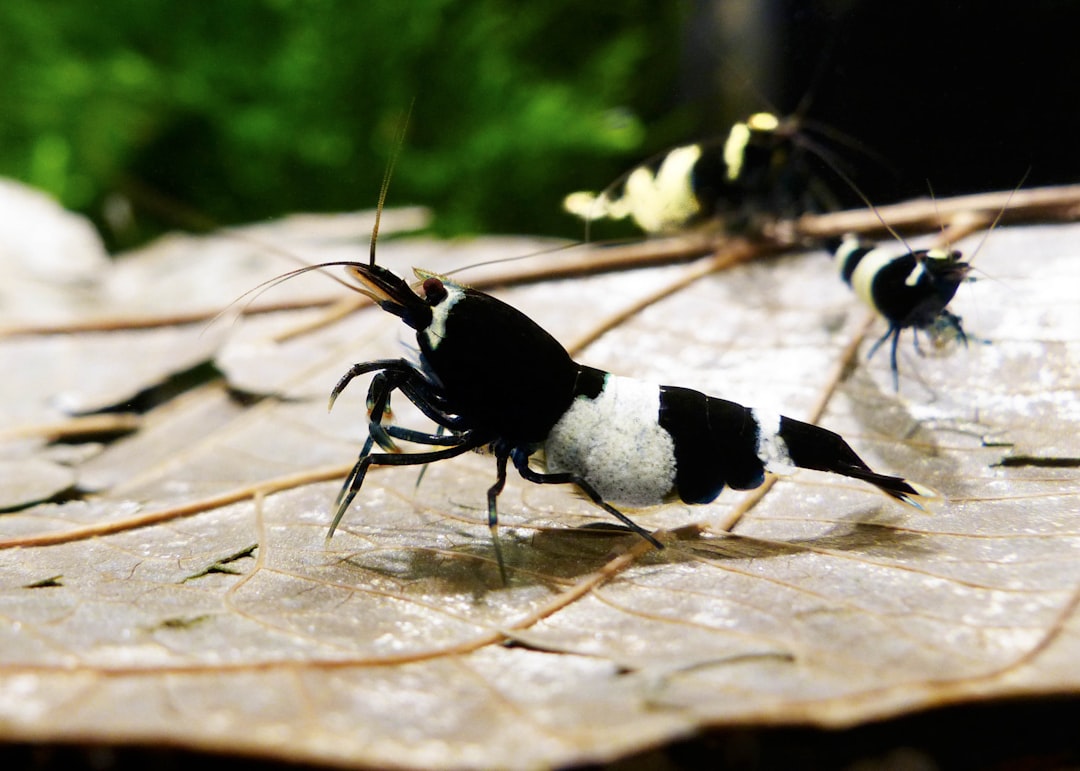
The vampire shrimp (Atya gabonensis), also known as the African filter shrimp, Cameroon fan shrimp or viper shrimp, is the gentle giant of the freshwater shrimp world. Reaching up to 15 cm in length, it is the largest commonly available freshwater aquarium shrimp — yet despite its imposing size and fearsome name, it is one of the most peaceful creatures you can keep. Like the bamboo shrimp, the vampire shrimp is a filter feeder, using fan-shaped appendages to sieve microscopic food from the water current.
At Gensou, we always enjoy the reaction when a hobbyist sees a vampire shrimp for the first time. Its armoured blue-grey body, substantial claws and deliberate movements make it look like something from another era entirely. This guide covers everything you need to know about keeping these remarkable invertebrates in Singapore conditions.
Appearance and Size
Vampire shrimp are unmistakable. Adults commonly reach 10-12 cm in the aquarium, with exceptional specimens growing to 15 cm or more — roughly the length of a hand. Their body is robust and heavily built compared to other ornamental shrimp, with thick, armoured-looking legs and a broad, muscular tail.
Colouration
The most common colour form is a stunning slate blue to blue-grey, which gives the shrimp an almost prehistoric appearance. However, vampire shrimp can display a remarkable range of colours throughout their life.
- Blue-grey — the most prized and commonly seen colour, often deepening with age
- Creamy white or beige — common immediately after moulting or in younger specimens
- Pinkish-brown — sometimes seen, particularly in specimens adapting to a new environment
- Dark grey to almost black — seen in mature, well-established individuals
Colour changes are normal and not necessarily cause for concern. The blue-grey colouration tends to develop and stabilise once the shrimp is settled into a mature tank with good conditions. A dark substrate enhances the visual impact of their colouration.
Behaviour and Temperament
Despite carrying a name that suggests otherwise, vampire shrimp are among the most docile aquarium inhabitants you will encounter. They are not predatory, not aggressive and not remotely dangerous. The name likely derives from their somewhat fearsome appearance rather than any vampiric tendencies.
Nocturnal Habits
Vampire shrimp are predominantly nocturnal. During the day, they tend to hide in caves, under driftwood or within dense plant growth, emerging in the evening and at night to take up their filter feeding positions in the current. This can be frustrating for hobbyists who want to observe them, but there are strategies to encourage daytime activity:
- Subdued lighting — dim or moderate aquarium lighting encourages earlier emergence
- Moonlight mode — LED lights with a blue moonlight setting allow observation during evening activity
- Established routine — over time, vampire shrimp in calm, stable tanks may become bolder and more visible during the day
- Feeding cues — dispensing powdered food at consistent times can train the shrimp to emerge
Filter Feeding
When active, vampire shrimp position themselves in the strongest current and unfurl their large fan-shaped setae to capture suspended food particles. Their fans are proportionally larger than those of bamboo shrimp, matching their greater size. The rhythmic opening and closing of these fans as the shrimp feeds is one of the great spectacles in freshwater aquarium keeping.
Vampire shrimp will also occasionally pick at surfaces with their fans, scooping up biofilm and detritus. This is normal supplementary behaviour but should not be their primary feeding mode.
Tank Setup and Flow Requirements
Given their size and activity patterns, vampire shrimp need a properly planned tank with specific features.
Tank Size
A minimum of 100 litres is recommended for a single vampire shrimp, with 150 litres or more preferred. These are large invertebrates that need space to move and multiple locations to choose from for feeding and hiding.
Flow
Like all filter-feeding shrimp, vampire shrimp require reliable water flow. A turnover rate of eight to twelve times the tank volume per hour in the feeding zone is ideal. This can be achieved through:
- Canister filter outlets — directed across a hardscape feature
- Powerheads or wavemakers — positioned to create a concentrated stream
- Spray bars — angled to provide directional flow across perching spots
Create distinct flow zones within the tank — a strong flow area for feeding and calmer regions for resting and for tank mates that prefer gentler water movement.
Hiding Spots
Because of their nocturnal nature, adequate hiding spots are essential for vampire shrimp welfare. Without safe retreats, the shrimp will be chronically stressed and may attempt to escape the tank.
- Caves — coconut shells, ceramic tubes or stacked rocks with openings large enough for the shrimp (at least 5 cm diameter)
- Driftwood — large pieces with hollows or overhangs
- Dense plant growth — java fern, anubias or moss clusters provide natural cover
- PVC pipe — functional if aesthetics are secondary (can be hidden behind hardscape)
Want to design a tank that caters to both vampire shrimp and an impressive aquascape? Our custom aquarium design service can create a layout that balances flow zones, hiding spots and visual appeal.
Water Parameters for Singapore
Vampire shrimp are reasonably adaptable but require stable, high-quality water. Like bamboo shrimp, they should only be added to well-established aquariums — a minimum of three months of tank maturity is strongly recommended.
| Parameter | Ideal Range | Singapore Tap Water |
|---|---|---|
| Temperature | 24-28 °C | 26-30 °C (upper end — ensure good oxygenation) |
| pH | 6.5-7.5 | 7.0-8.0 (mostly acceptable) |
| GH | 4-12 dGH | 1-4 dGH (slightly soft — supplement if needed) |
| KH | 2-10 dKH | 1-3 dKH (acceptable) |
| Ammonia / Nitrite | 0 ppm (critical) | Must be fully cycled |
| Nitrate | Below 20 ppm | Keep low with regular changes |
Singapore’s warm ambient temperature of 28-32 °C sits at the upper boundary of the vampire shrimp’s comfort zone. During particularly hot months, ensure strong surface agitation for gas exchange, as warmer water holds less dissolved oxygen. A clip-on fan or positioning the tank away from direct sunlight can help moderate temperatures during heat spells. For most of the year, a chiller is unnecessary if the tank is well-ventilated.
Water changes should be consistent — 20-25% weekly is standard. Always treat replacement water with a quality dechlorinator that neutralises chloramine. PUB tap water contains chloramine, and invertebrates are far more sensitive to chlorine and chloramine than fish. Never use copper-based medications in a tank containing vampire shrimp, as copper is lethal to all shrimp species even in trace amounts.
Feeding
Feeding vampire shrimp follows the same principles as feeding bamboo shrimp, but scaled up to match their greater size and appetite.
Supplemental Foods
- Powdered spirulina — mix with tank water and dispense upstream via syringe
- Filter feeder foods — Glasgarten Shrimp Baby Food, Bacter AE, or similar products that dissolve into fine particles
- Crushed flake or pellet food — ground to a fine powder
- Phytoplankton supplements — marine phytoplankton products work for freshwater filter feeders
- Yeast-based foods — some hobbyists culture green water (a phytoplankton bloom) and add small amounts to the tank
Feeding Technique
Use a syringe or pipette to slowly release a cloud of powdered food into the current upstream of where the shrimp is positioned. The particles should drift through the shrimp’s fans naturally. Feed at dusk or in the evening when the shrimp is most active, two to four times per week in a well-stocked community tank or daily in a sparsely populated setup.
A mature, well-stocked community tank generates a surprising amount of suspended organic matter — bacteria, microalgae, fine detritus and uneaten food particles. In such tanks, supplemental feeding may only be needed two to three times per week. Monitor the shrimp’s body condition: a well-fed vampire shrimp has a full, rounded body, while an underfed specimen appears thin behind the carapace.
Moulting and Growth
Vampire shrimp moult periodically as they grow, shedding their entire exoskeleton in a single dramatic event. Given their size, the discarded shell is impressive — a near-perfect hollow replica of the shrimp that can be mistaken for a dead animal by alarmed owners.
Moulting Cycle
Young, growing vampire shrimp may moult every four to six weeks. Adults moult less frequently, perhaps every two to three months. The frequency depends on growth rate, diet quality and water conditions.
Before and After Moulting
- Pre-moult — the shrimp becomes reclusive, stops feeding and may change colour (often becoming paler). This period can last two to five days
- Moulting — the actual moult happens quickly, usually at night. The shrimp flexes its body to split the old shell and wriggles free
- Post-moult — the shrimp is extremely vulnerable with a soft new exoskeleton. It will hide for one to four days until the shell hardens. During this time, it should not be disturbed
Leave the old exoskeleton in the tank. The shrimp and other inhabitants will consume it over the following days, recycling valuable calcium and minerals. Ensure adequate calcium availability through mineral supplements, cuttlebone fragments or calcium-rich foods to support successful moults.
Failed moults are the most common cause of vampire shrimp death in captivity. Insufficient calcium, sudden water parameter changes, or stress can cause the shrimp to become trapped in its old shell. Maintaining stable conditions is paramount.
Compatible Tank Mates
Vampire shrimp are entirely peaceful and ignore all other tank inhabitants. The concern runs in only one direction — will the tank mates bother the shrimp?
Good Tank Mates
- Community fish — tetras, rasboras, barbs, danios
- Bottom dwellers — corydoras, otocinclus, kuhli loaches
- Peaceful gouramis — honey gourami, pearl gourami
- Other shrimp — bamboo shrimp, Amano shrimp, cherry shrimp
- Snails — nerite snails, mystery snails
Tank Mates to Avoid
- Large cichlids — may harass or attack the shrimp, especially during moults
- Pufferfish — will target invertebrates
- Crayfish — territorial and will attack shrimp
- Large predatory fish — anything that might view a vulnerable, freshly moulted shrimp as food
Availability, Rarity and Cost
Vampire shrimp are not as widely available as common ornamental shrimp species. They originate from West Africa and parts of South America and are primarily wild-caught, as captive breeding in aquariums is extremely rare — the larvae require brackish water to develop, a lifecycle that is difficult to replicate outside their natural habitat.
In Singapore, vampire shrimp appear in specialist aquarium shops periodically but are not always in stock. Prices are significantly higher than most freshwater shrimp, typically ranging from $15 to $40 SGD per specimen depending on size, colour and availability. Their rarity and impressive appearance make them a conversation piece in any aquarium.
When purchasing, look for active specimens with intact appendages, a full body and responsive antennae. Avoid shrimp that are lethargic, have damaged fans, or show signs of shell erosion. Larger specimens are generally hardier and more established but command a premium price.
Frequently Asked Questions
How long do vampire shrimp live?
With proper care, vampire shrimp can live five years or more in captivity, making them one of the longest-lived freshwater shrimp species. Their longevity depends on consistent water quality, adequate feeding, successful moults and a stress-free environment. Some hobbyists have reported specimens surviving beyond six years.
Are vampire shrimp dangerous?
Not at all. Despite the intimidating name and substantial size, vampire shrimp are completely harmless. They do not have pinching claws, cannot bite, and have no interest in hunting fish or other tank inhabitants. Their “claws” are actually their filter feeding fans, which are delicate structures designed to catch microscopic food particles, not prey. They are arguably the most peaceful creature in the freshwater hobby relative to their size.
Can vampire shrimp be kept with bamboo shrimp?
Yes, and it makes an excellent combination. Both species are filter feeders that occupy similar niches without competing aggressively. They will often perch near each other in the current, fanning side by side. Ensure the tank is large enough (150 litres minimum for both) and that supplemental feeding accounts for both shrimp. The size contrast between the two species — the vampire shrimp significantly larger — adds visual interest.
Why does my vampire shrimp hide all day?
Vampire shrimp are naturally nocturnal, so daytime hiding is normal behaviour, particularly for newly introduced specimens. It can take several weeks for a vampire shrimp to settle into a new tank and begin emerging more frequently. Subdued lighting, a calm tank environment and consistent feeding at dusk can encourage earlier emergence. Avoid tapping the glass or moving hardscape near its hiding spot, as this will reinforce hiding behaviour.
Bring Home a Vampire Shrimp
The vampire shrimp is a truly special aquarium inhabitant — a gentle giant that defies its fearsome name with peaceful filter feeding and a striking blue-grey presence. For hobbyists with an established community tank and a willingness to cater to their feeding needs, few invertebrates offer as much fascination and reward.
Visit Gensou at 5 Everton Park to check current vampire shrimp availability, or get in touch to be notified when our next shipment arrives. If your tank needs preparation before adding a vampire shrimp, our aquarium maintenance service can help ensure your setup is ready for this remarkable species.
Related Reading
- Bamboo Shrimp vs Vampire Shrimp: Filter Feeder Comparison
- Vampire Shrimp Feeding and Breeding Guide: Atya Gabonensis Tips
- Amano Shrimp Breeding Challenges: Larval Stages and Saltwater Phase
- How to Breed Amano Shrimp: The Challenging but Rewarding Process
- Amano Shrimp vs Cherry Shrimp: Which Is Better for Your Tank?



