
Blue Bolt Shrimp Care Guide: The Crown Jewel of Caridina
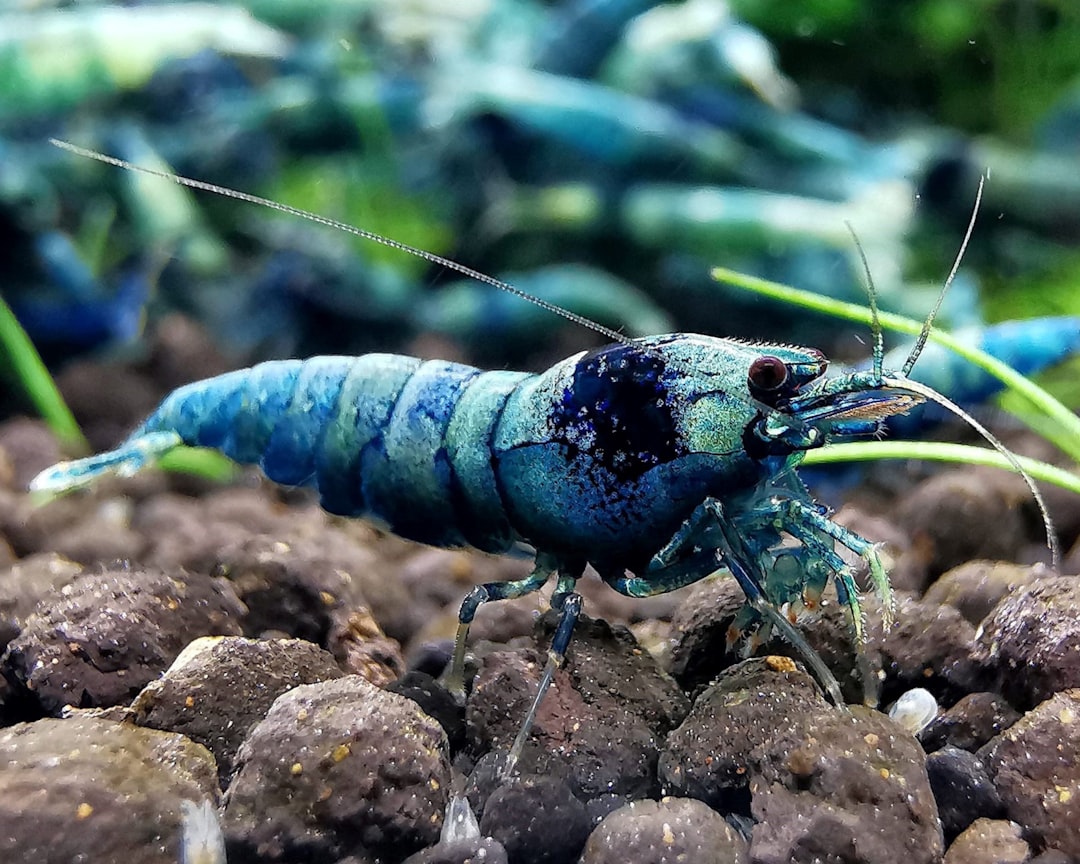
The blue bolt shrimp is, for many shrimp keepers, the pinnacle of the hobby. An intense, almost electric blue colouration combined with the exacting care requirements of Taiwan bee Caridina shrimp makes the blue bolt both a visual showstopper and a genuine test of aquarium skill. These are not beginner shrimp — but for those who master their care, the reward is a tank of living sapphires. This guide sits inside our broader Tropical Fish Species Master Index reference.
This blue bolt shrimp care guide covers everything from water parameters and tank setup to grading, breeding and the honest costs involved in keeping premium Caridina shrimp in Singapore.
About Blue Bolt Shrimp
Blue bolt shrimp are a colour variant of the Taiwan bee shrimp, which itself is a selective mutation of Caridina cantonensis. They emerged from the same breeding lines that produced crystal red shrimp, crystal black shrimp, shadow pandas and other high-end Caridina varieties.
What sets blue bolts apart is their vivid blue colouration — ranging from a pale sky blue to a deep, saturated cobalt. The best specimens display solid, opaque blue coverage across the entire body with no transparent patches. Adults reach 2–3 cm and live 1.5–2 years.
Blue bolts belong to the Taiwan bee shrimp group, which demands soft, acidic water, active buffering substrate and stable temperatures. These requirements make them significantly more challenging than Neocaridina shrimp (cherry shrimp, blue velvet and similar). If you are new to shrimp keeping, gain experience with Neocaridina first.
For a comprehensive overview of Caridina shrimp keeping fundamentals, see our Caridina shrimp care guide.
Blue Bolt vs Blue Velvet: Know the Difference
Beginners frequently confuse blue bolt shrimp with blue velvet shrimp. They look superficially similar but are vastly different in care requirements and price.
| Feature | Blue Bolt (Caridina) | Blue Velvet (Neocaridina) |
|---|---|---|
| Species | Caridina cantonensis | Neocaridina davidi |
| Difficulty | Advanced | Beginner |
| Water | Soft, acidic (TDS 100–150, pH 5.5–6.5) | Wide range (TDS 150–300, pH 6.5–8.0) |
| Substrate | Active buffering substrate required | Any substrate |
| RO water | Required | Not required |
| Temperature | 20–24°C (chiller needed in SG) | 22–28°C (SG ambient often fine) |
| Price (SGD) | $8–$50+ per shrimp | $1–$5 per shrimp |
| Breeding difficulty | Moderate — small broods | Easy — prolific |
If you want a low-maintenance blue shrimp tank, start with blue velvets. Our blue velvet shrimp care guide covers their straightforward requirements. Blue bolts are for keepers ready to invest in specialised equipment and precise water management.
Water Parameters
Water chemistry is the single most critical factor in blue bolt care. These shrimp evolved in soft, acidic conditions and will not tolerate the harder, more alkaline water that Neocaridina thrive in.
| Parameter | Ideal Range |
|---|---|
| Temperature | 20–24°C |
| pH | 5.5–6.5 |
| GH | 4–6 dGH |
| KH | 0–1 dKH |
| TDS | 100–150 ppm |
| Ammonia / Nitrite | 0 ppm |
| Nitrate | Below 10 ppm |
RO Water and Remineralisation
PUB tap water is too hard and too high in TDS for blue bolts, even after dechloramination. You must use reverse osmosis (RO) water remineralised with a Caridina-specific remineraliser.
- RO unit: a countertop or under-sink RO system ($100–$300 SGD) produces the pure water you need
- Remineraliser: products like SaltyShrimp GH+ raise GH without affecting KH, maintaining the soft, acidic conditions blue bolts require
- Target TDS: mix RO water with remineraliser to reach 100–150 ppm before adding to the tank
Temperature: Chiller Required in Singapore
Blue bolts need water at 20–24°C. Singapore’s ambient 28–32°C is far too warm. An aquarium chiller is mandatory. Expect to spend $200–$600 SGD on a chiller suitable for a shrimp tank, plus additional electricity costs of $20–$50 SGD per month.
Alternatively, if you keep your air-conditioned room consistently at 22–23°C around the clock, a chiller may not be necessary — but this is rare in practice. Most keepers invest in a chiller for reliability.
Tank Setup
Tank Size
Blue bolts can be kept in relatively small tanks. A 30–60 litre tank is ideal — large enough for stable parameters, small enough to manage water changes precisely. Many serious shrimp keepers use standard 45 cm (approximately 35 litres) or 60 cm tanks.
Active Buffering Substrate
This is non-negotiable. Active substrates (aquasoils) like ADA Amazonia, Tropica Aquarium Soil or SL-Aqua buffer the water to the low pH blue bolts need. They absorb minerals from the water, lowering KH and pH naturally.
Key points about active substrate:
- It depletes over time (typically 12–24 months) and must be replaced
- New substrate releases ammonia initially — cycle the tank fully (4–6 weeks minimum) before adding shrimp
- Do not vacuum aggressively — the substrate surface harbours beneficial biofilm that shrimp graze on
Other Setup Elements
- Filtration: sponge filter (shrimp-safe, no risk of sucking in babies) or a small canister with an intake guard
- Plants: Java moss, Bucephalandra, Anubias nana petite, floating plants — all provide grazing surfaces and hiding spots for shrimplets
- Indian almond leaves: release tannins, lower pH slightly, provide biofilm — a staple in Caridina tanks
- Cholla wood or alder cones: additional biofilm surfaces and mild tannin release
- Mineral stones: Shou stones or similar provide mineral supplementation and grazing surfaces
Cycling
Never add blue bolts to an uncycled tank. The cycling period for an active substrate tank is 4–6 weeks minimum. Many experienced keepers wait 8 weeks, allowing biofilm to develop on all surfaces. Test ammonia and nitrite — both must read zero before introducing shrimp.
Grading
Blue bolt grading is based on the intensity, coverage and opacity of the blue colouration.
| Grade | Description | Approximate Price (SGD) |
|---|---|---|
| Low Grade | Light blue, some transparency, uneven colour | $5–$10 per shrimp |
| Mid Grade | Moderate blue, mostly opaque, minor clear patches | $10–$20 per shrimp |
| High Grade | Deep, solid blue, fully opaque coverage | $20–$40 per shrimp |
| Extreme / Show Grade | Intense cobalt blue, perfect coverage, thick shell | $40–$80+ per shrimp |
When purchasing, ask for photos under white light — blue LEDs can make any blue shrimp look spectacular. True colour is best assessed under neutral lighting.
Feeding
Blue bolts are grazers that spend most of their time picking at biofilm and surfaces. Supplemental feeding should be moderate — overfeeding is a greater risk than underfeeding.
Recommended Foods
- Specialised shrimp food: SL-Aqua, Glasgarten, Borneowild — brands formulated specifically for Caridina
- Blanched vegetables: spinach, nettle, mulberry leaves (remove uneaten portions after 6 hours)
- Indian almond leaves: always present in the tank; shrimp graze on the decomposing leaf surface
- Mineral supplements: products like Glasgarten Mineral Junkie provide calcium and trace minerals for healthy moulting
- Powdered foods: BacterAE or similar biofilm-enhancing powders boost the natural food supply
Feeding Schedule
Feed supplemental food every 2–3 days in small amounts. The tank should always contain Indian almond leaves and biofilm for continuous grazing. Remove uneaten food promptly to prevent water quality issues.
Breeding
Blue bolts breed in the same manner as other Caridina shrimp, but broods are smaller than Neocaridina — typically 10–25 shrimplets per female.
Breeding Conditions
- Stable parameters are more important than specific triggers — stability is the key word
- Berried females carry eggs for approximately 28–35 days
- Shrimplets are born as miniature versions of the adults (no larval stage)
- Provide dense Java moss and biofilm-covered surfaces for shrimplets to graze
- Do not disturb berried females — stress can cause them to drop eggs
Selective Breeding
To maintain and improve colour quality, cull lower-grade offspring or move them to a separate tank. Breeding only the deepest blue specimens improves the colony’s colour intensity over generations. Many Singapore shrimp breeders maintain separate “cull tanks” for lower-grade shrimp.
Cost of Blue Bolt Keeping in Singapore
Be realistic about the investment required. Blue bolt keeping is a premium tier of the aquarium hobby.
| Item | Estimated Cost |
|---|---|
| Tank (45–60 cm) | $40–$120 |
| Active substrate | $30–$60 |
| Sponge filter + air pump | $20–$50 |
| Aquarium chiller | $200–$600 |
| RO system | $100–$300 |
| Remineraliser, test kits, TDS meter | $50–$100 |
| Starting colony (10 shrimp, mid-grade) | $100–$200 |
| Total initial investment | $540–$1,430 |
Monthly ongoing costs include electricity (chiller), RO filter replacements, remineraliser and food — budget approximately $30–$60 SGD per month.
Frequently Asked Questions
Can I keep blue bolt shrimp in PUB tap water?
No. Singapore’s PUB tap water has a TDS of approximately 80–130 ppm, a KH of 1–3 and contains chloramine — parameters that are close to usable but not quite right for blue bolts. The chloramine is immediately problematic, but beyond that, tap water mineral composition varies and lacks the consistency blue bolts demand. RO water with controlled remineralisation gives you complete control over every parameter.
How often should I change water in a blue bolt tank?
Perform 10–15% water changes weekly using RO water remineralised to match your tank’s TDS. Larger water changes risk parameter swings that stress or kill the shrimp. Always match temperature and TDS of the replacement water to the tank before adding. Drip the water in slowly over 30–60 minutes.
Why do my blue bolt shrimp keep dying after water changes?
The most likely cause is a parameter mismatch between the tank water and the replacement water. Even small differences in TDS, pH or temperature can trigger fatal moult failures. Always test and match replacement water before adding. Use a drip method to introduce new water gradually. If deaths consistently follow water changes, reduce volume to 5–10% and increase frequency.
Can I keep blue bolts with Neocaridina shrimp?
Technically they will not interbreed (different genus), but their water requirements are incompatible. Blue bolts need soft, acidic water with active substrate; Neocaridina prefer harder, neutral to slightly alkaline water. Attempting to compromise results in conditions suboptimal for both species. Keep them in separate tanks.
Start Your Blue Bolt Colony
Blue bolt shrimp are the crown jewel of freshwater shrimp keeping — demanding but deeply rewarding. If you are ready to take the plunge into premium Caridina, Gensou can help with equipment selection, water chemistry guidance and sourcing quality stock. Visit us at 5 Everton Park or contact us — with over 20 years of aquarium expertise in Singapore, we will set you up for success.
Related Reading
- How to Breed Blue Bolt Shrimp: Taiwan Bee Colour Selection
- Aura Blue Shrimp Care Guide: Caridina Cantonensis Blue Morph
- How to Breed Blue Dream Shrimp: Neocaridina Colour Line Selection
- Blue Dream Shrimp vs Blue Velvet Shrimp: Grade and Colour Differences
- Blue Tiger Shrimp Care Guide: Orange Eyes and Blue Stripes

emilynakatani
Still Have Questions About Your Tank?
Drop by Gensou Aquascaping — most walk-in questions get answered in under 10 minutes by someone who has set up hundreds of tanks.
5 Everton Park #01-34B, Singapore 080005 · Open daily 11am – 8pm


