
Whiptail Catfish Care Guide: The Long-Nosed Bottom Dweller
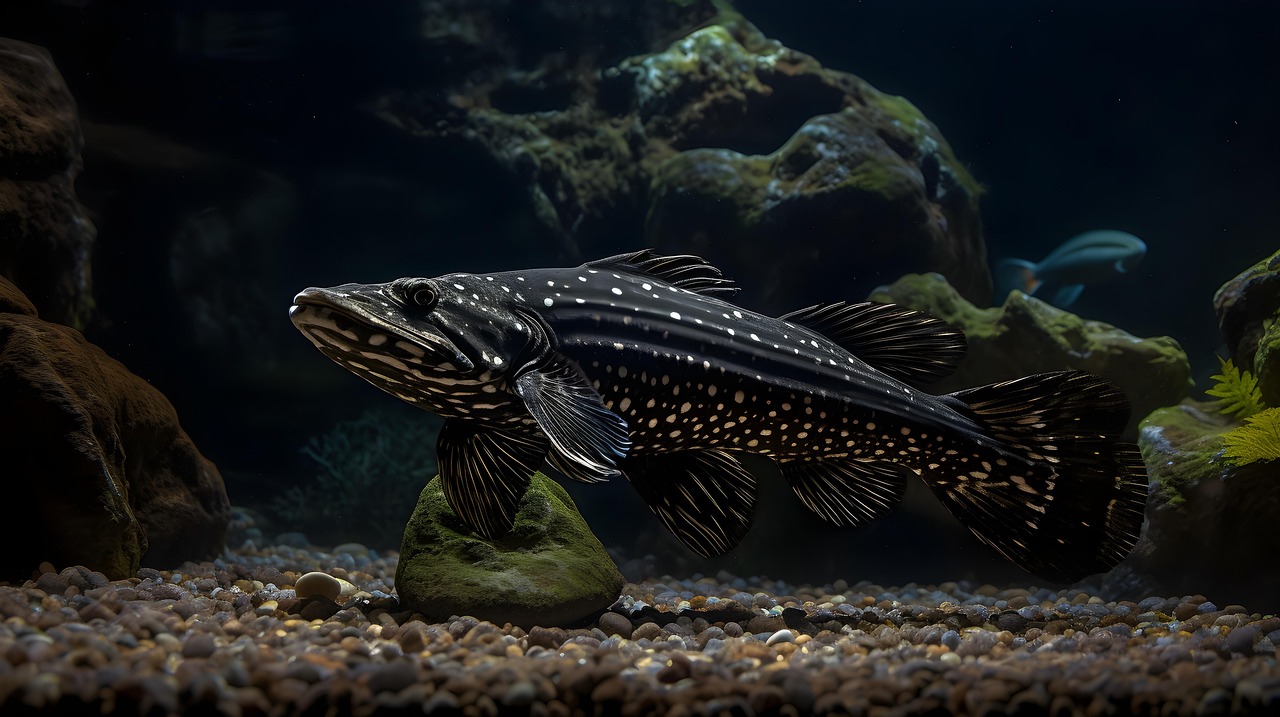
Whiptail catfish are among the most unusual-looking fish in the freshwater hobby. With their elongated bodies, flattened profiles and long, filament-tipped tails, they look like living twigs resting on the substrate or clinging to driftwood. Species from the Rineloricaria and Farlowella genera are the most commonly encountered, and both reward the patient aquarist with fascinating behaviour and quiet beauty.
This whiptail catfish care guide covers species identification, tank requirements, feeding strategies, breeding and how to keep these delicate bottom dwellers healthy in Singapore’s warm climate.
Table of Contents
Species Overview
Whiptail catfish belong to the family Loricariidae — the same family as plecos and otocinclus. They are native to the rivers and streams of South America, where they cling to submerged wood and leaf litter in moderate to gentle currents, grazing on biofilm and aufwuchs.
| Attribute | Rineloricaria spp. | Farlowella spp. |
|---|---|---|
| Common Names | Whiptail catfish, lizard catfish | Twig catfish, stick catfish |
| Adult Size | 10–15 cm | 15–20 cm |
| Body Shape | Broad, flattened, with long tail filaments | Extremely elongated, stick-like with a pointed snout |
| Hardiness | Moderate; more forgiving | Sensitive; requires stable conditions |
| Lifespan | 5–8 years | 5–10 years |
| Temperament | Peaceful | Peaceful, very shy |
Rineloricaria vs Farlowella
Both genera are sold under the “whiptail” umbrella, but they differ in important ways:
Rineloricaria
Rineloricaria species are the hardier of the two, with a broader, more flattened body that hugs the substrate. They spend most of their time on sand or smooth surfaces, occasionally resting on wood. Common species include R. lanceolata (chocolate whiptail) and R. parva. These are the better choice for intermediate hobbyists.
Farlowella
Farlowella species are the true “twig catfish” — incredibly slender with a pronounced elongated snout. They prefer clinging to driftwood and plant stems, where their camouflage is extraordinary. However, they are notoriously sensitive to water quality fluctuations and can be difficult to acclimatise. Species like F. vittata and F. acus are occasionally available in Singapore.
For most Singapore aquarists, Rineloricaria species are the recommended starting point. They tolerate our warmer temperatures better and are more forgiving of minor water quality lapses.
Tank Setup
Whiptail catfish need a tank that caters to their bottom-dwelling, wood-grazing lifestyle:
Essential Elements
- Sand substrate — fine sand is strongly preferred. Whiptails rest directly on the bottom and sift through substrate for food. Rough gravel can damage their delicate undersides and barbels.
- Driftwood — multiple pieces of driftwood are essential, not optional. Whiptails graze on the biofilm that grows on wood and need it for digestive health.
- Moderate flow — a gentle to moderate current replicates their natural riverine habitat. A hang-on-back or canister filter works well.
- Hiding spots — PVC pipes, coconut shells and driftwood caves give whiptails secure resting places, especially important for breeding.
- Plants — while not strictly necessary, plants improve water quality and provide additional grazing surfaces. Anubias attached to driftwood is a natural pairing.
Tank Size
Rineloricaria species need a minimum of 75 litres (60 cm tank). Farlowella, being larger and more sensitive, should have at least 100 litres. Floor space matters more than height — a long, shallow tank is ideal. For HDB and condo setups, a 60 cm or 90 cm tank on a sturdy cabinet provides adequate footprint.
Water Parameters
Whiptail catfish are sensitive to poor water quality. Clean, well-oxygenated water is non-negotiable.
| Parameter | Ideal Range | SG Notes |
|---|---|---|
| Temperature | 24–28 °C | Singapore ambient 28–30 °C is at the upper end; fan cooling recommended |
| pH | 6.0–7.5 | Neutral to slightly acidic; driftwood helps lower pH naturally |
| GH | 3–12 dGH | Soft to moderate |
| KH | 2–8 dKH | Moderate buffering |
| Ammonia/Nitrite | 0 ppm | Whiptails are among the first to show stress from ammonia spikes |
| Nitrate | Below 20 ppm | Weekly 25–30% water changes essential |
Always treat Singapore tap water with a conditioner that neutralises chloramine, as PUB uses this rather than chlorine. A quality dechlorinator that also binds heavy metals provides an additional safety margin for these sensitive fish.
For a maintenance plan tailored to whiptail catfish, explore our aquarium maintenance service.
Feeding
Feeding is the area where many whiptail keepers struggle. These fish are not aggressive eaters and can starve in a tank where faster fish consume everything first.
Recommended Foods
- Algae wafers — a staple; drop them near the whiptail’s resting spot in the evening
- Blanched vegetables — courgette (zucchini), cucumber, spinach and peas. Blanch briefly, then weigh down with a fork or clip
- Repashy gel foods — Soilent Green and Morning Wood formulas are excellent, as they stick to surfaces and mimic biofilm
- Biofilm on driftwood — a natural and essential part of their diet
- Sinking pellets — high-quality sinking herbivore pellets accepted by most individuals
- Frozen bloodworms — occasional protein supplement; not a staple
Feeding Tips
- Feed after lights-out when whiptails are most active and competing fish have settled.
- Target-feed by placing food directly near the fish using long tweezers or a feeding dish.
- Monitor body condition — a healthy whiptail has a slightly rounded belly, not a sunken, concave abdomen.
The Driftwood Requirement
Driftwood is not merely decoration for whiptail catfish — it is a dietary and behavioural necessity. Like many loricariids, whiptails rasp at wood to ingest the cellulose and microorganisms growing on its surface. This aids digestion and provides essential fibre.
Use well-seasoned hardwood driftwood such as Malaysian driftwood, mopani or spider wood. Avoid softwoods that disintegrate quickly. Multiple pieces of varying sizes give whiptails choices for grazing and resting. In a well-established tank, driftwood develops a rich biofilm layer that supplements their diet continuously.
Tank Mates
Whiptail catfish are completely peaceful and ignore other fish. The concern is the reverse — ensuring tankmates do not harass or outcompete them.
Good Choices
- Small tetras and rasboras
- Corydoras catfish
- Pencilfish
- Dwarf gouramis
- Shrimp (Neocaridina and Amano)
- Snails
Avoid
- Large or aggressive plecos (territorial on driftwood)
- Cichlids (most species are too boisterous)
- Fast, greedy feeders that prevent food from reaching the bottom
- Loaches that compete for the same substrate zone
Breeding
Whiptail catfish, particularly Rineloricaria species, can be bred in captivity with the right conditions. Their breeding behaviour is notable for the male’s dedicated parental care.
Breeding Setup
- Provide caves or tubes — PVC pipes (15–20 mm diameter for Rineloricaria) or bamboo sections serve as spawning sites.
- Condition with varied diet — increase vegetable and protein offerings for two to three weeks.
- Maintain pristine water quality — slightly cooler water changes (2–3 °C below tank temperature) can trigger spawning.
- Pair or group — one male with two or three females is ideal.
Parental Care
The female deposits a clutch of 20–60 eggs on the inside surface of the cave. The male then takes over entirely, fanning the eggs with his fins and guarding them for 7–10 days until they hatch. During this period, the male rarely eats and will aggressively defend the cave entrance. Fry are initially attached to a yolk sac and begin free-swimming after two to three days, at which point they can be fed crushed algae wafers and biofilm.
Common Problems
- Starvation: The most common cause of death. Ensure food reaches the bottom and monitor body condition weekly.
- Substrate abrasion: Rough gravel damages barbels and ventral surfaces. Switch to fine sand.
- Temperature stress: Prolonged exposure above 30 °C stresses whiptails, particularly Farlowella. Use a fan or air conditioning during Singapore’s hotter periods.
- Poor oxygenation: Whiptails need well-oxygenated water. Ensure adequate surface agitation or add an airstone.
Frequently Asked Questions
Do whiptail catfish eat algae?
They graze on biofilm and soft algae on driftwood and glass, but they are not effective algae cleaners in the way that otocinclus or Siamese algae eaters are. Their primary diet should come from supplemental feeding — algae wafers, vegetables and prepared foods.
Can I keep whiptail catfish in a planted tank?
Absolutely. They do not uproot or eat healthy plants. A planted tank with driftwood is actually the ideal environment, as plants improve water quality and provide additional biofilm surfaces. Just ensure the substrate is sand rather than coarse gravel.
How do I sex whiptail catfish?
In Rineloricaria, mature males develop small bristle-like growths (odontodes) on their cheeks and pectoral fins, especially during breeding season. Males are also typically slimmer than females when viewed from above. Farlowella males develop a broader, bristled snout. Sexing juveniles is extremely difficult.
Are whiptail catfish suitable for beginners?
Rineloricaria species are suitable for hobbyists with some experience — those who understand the importance of water quality, proper feeding and patience. Farlowella species are better reserved for experienced keepers due to their sensitivity. Neither genus is recommended for brand-new fishkeepers.
Create the Perfect Whiptail Habitat
Whiptail catfish are a rewarding choice for aquarists who appreciate subtle beauty and interesting behaviour. Their twig-like camouflage, dedicated paternal care and peaceful nature make them a standout in any community tank — provided you meet their needs for clean water, driftwood and thoughtful feeding.
If you would like help setting up a whiptail-friendly aquarium or sourcing quality driftwood and accessories, visit us at 5 Everton Park. With over 20 years of experience, our team can guide you through every step of creating a tank these fascinating catfish will thrive in.
Related Reading
- Red Lizard Whiptail Catfish Care Guide: Rineloricaria Species
- How to Breed Whiptail Catfish: Male Lip-Brooding in Planted Tanks
- African Glass Catfish Care Guide: Transparent and Social
- Agamyxis Catfish Care Guide: The Spotted Talking Catfish
- Asian Bumblebee Catfish Care Guide: Striped Nocturnal Hunter



