
Ramshorn Snail Care Guide: Colourful Cleaners or Pest?
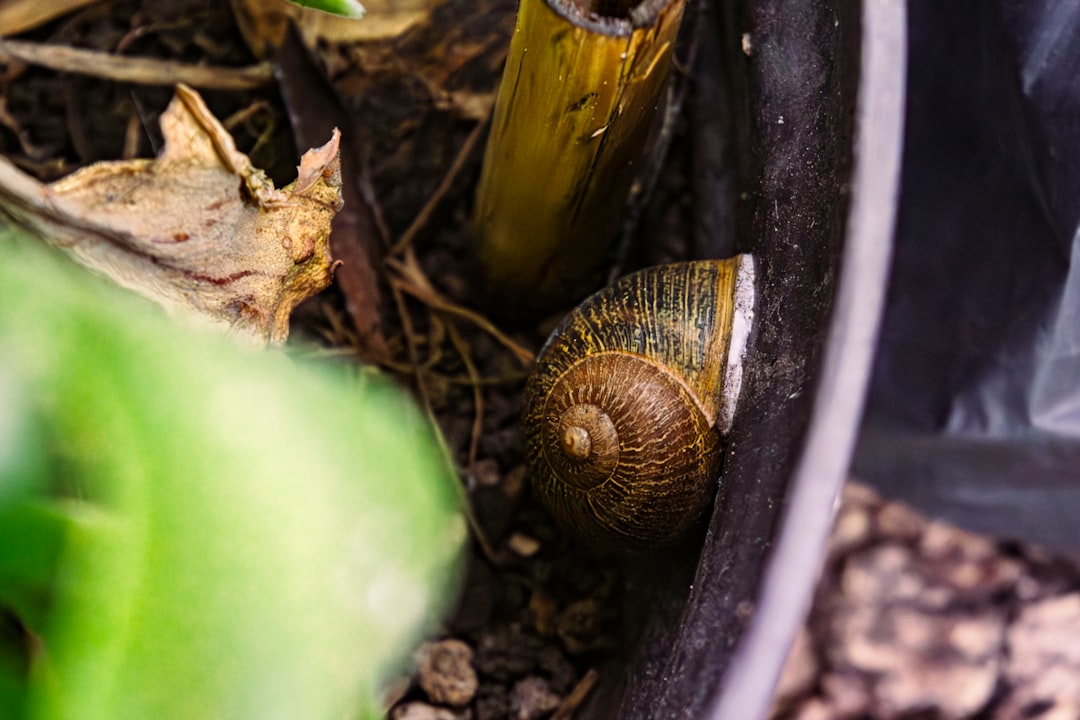
Table of Contents
Introduction
Few aquarium inhabitants spark as much debate as the humble ramshorn snail. To some hobbyists, they are colourful, industrious algae eaters that contribute to a balanced ecosystem. To others, they are invasive pests that multiply unchecked and overrun a carefully crafted aquascape. This ramshorn snail care guide explores both sides of the argument and gives you all the information you need to keep ramshorn snails successfully — or manage them wisely — in your Singapore aquarium.
Ramshorn snails are among the most commonly encountered freshwater snails in the hobby. They arrive in tanks as hitchhikers on plants, as deliberate purchases for their striking colours, and sometimes as live food for puffer fish and other snail-eating species. Understanding their biology and care requirements allows you to harness their benefits while keeping their numbers in check.
Species Overview and Colour Varieties
The term “ramshorn snail” refers to several species in the family Planorbidae, most commonly Planorbella duryi and Planorbarius corneus. They are named for their flat, spiral shells that resemble a ram’s horn. Unlike many aquarium snails, ramshorns breathe using a lung-like organ, allowing them to survive in low-oxygen environments — a trait that contributes to their hardiness.
Popular Colour Varieties
| Colour Variety | Shell Colour | Body Colour | Notes |
|---|---|---|---|
| Red / Pink | Translucent red to pink | Red | Most popular ornamental variety; lacks dark pigment |
| Blue | Translucent blue-grey | Dark blue to black | Striking in planted tanks; colour can vary |
| Brown / Wild-type | Brown to olive | Dark brown | Most common hitchhiker variety |
| Leopard | Spotted brown and gold | Spotted | Less common; sought after by collectors |
| Pink | Light pink | Pale pink to white | Delicate appearance; popular in shrimp tanks |
Selectively bred colour varieties such as red and blue ramshorns are widely available at local fish shops in Singapore, including popular stores around Clementi and the Thomson area. These ornamental strains make genuinely attractive additions to planted tanks and shrimp setups.
Size and Lifespan
- Adult size: 1–2.5 cm shell diameter (depending on species and conditions)
- Lifespan: 1–2 years
- Growth rate: Rapid; reaches maturity in 4–6 weeks under good conditions
Tank Setup and Water Parameters
Ramshorn snails are remarkably adaptable and can thrive in nearly any freshwater aquarium. They do not require a dedicated setup, which is partly why they succeed so readily as hitchhikers. However, providing optimal conditions results in better shell growth, brighter colours, and healthier snails overall.
Recommended Water Parameters
| Parameter | Ideal Range | Notes |
|---|---|---|
| Temperature | 22–28 °C | Singapore ambient temperature is ideal; warmer water accelerates metabolism and reproduction |
| pH | 7.0–8.0 | PUB tap water is generally suitable; acidic water erodes shells |
| GH | 6–12 dGH | Calcium-rich water is essential for strong shell development |
| KH | 3–8 dKH | Helps buffer pH and provides carbonate for shells |
| Ammonia / Nitrite | 0 ppm | Snails are sensitive to ammonia spikes |
| Nitrate | <30 ppm | More tolerant than fish, but lower is better |
The Calcium Question
Calcium availability is the single most important factor in ramshorn snail health. Without adequate calcium, shells become thin, pitted, and prone to cracking. Singapore’s PUB tap water is moderately soft, which means you may need to supplement calcium in tanks running active soil substrates that soften water further.
Simple ways to add calcium include:
- Placing a small piece of cuttlebone in the tank or filter
- Adding crushed coral to the filter media
- Using mineral supplements such as SaltyShrimp GH+ when doing water changes
- Feeding calcium-rich vegetables like blanched kale or spinach
Feeding and Diet
Ramshorn snails are detritivores and algae grazers. They consume a wide range of organic matter, making them excellent clean-up crew members in planted tanks and shrimp setups.
What Ramshorn Snails Eat
- Algae: Soft film algae, green spot algae (young growth), and diatoms
- Decaying plant matter: Dead or dying leaves, melting stems
- Leftover fish food: Uneaten pellets, flakes, and wafers
- Biofilm: The bacterial film that forms on surfaces, driftwood, and hardscape
- Blanched vegetables: Zucchini, cucumber, spinach, lettuce
- Commercial foods: Algae wafers, snail-specific foods, shrimp pellets
Will They Eat Live Plants?
This is the question every planted tank keeper asks. In general, healthy ramshorn snails do not eat healthy live plants. They target decaying or dead plant matter, which is actually beneficial — they clean up dying leaves before they decompose and foul the water. However, in a tank where food is scarce and the population is large, ramshorns may begin nibbling on soft-leaved plants. Keeping them well fed prevents this issue almost entirely.
Behaviour and Biology
Ramshorn snails are primarily nocturnal but remain active throughout the day in low-light tanks. You will frequently see them gliding along the glass, over plant leaves, and across the substrate, rasping surfaces with their radula (a tongue-like feeding organ covered in tiny teeth).
One fascinating behaviour is their ability to float at the water surface by trapping air in their shell. This allows them to travel across the tank quickly — you may see snails apparently riding the water’s surface tension, drifting with the current before releasing their air bubble and sinking back down.
Hermaphroditic Reproduction
Ramshorn snails are hermaphrodites, meaning each individual possesses both male and female reproductive organs. While they can technically self-fertilise, they typically mate with another snail. This means that even two snails of any “sex” can produce offspring — a key reason why populations can explode rapidly.
Population Control
The number one concern with ramshorn snails is overpopulation. In a tank with abundant food and few predators, their numbers can increase dramatically within weeks. Here are proven strategies for managing their population:
Prevention and Management Strategies
| Strategy | Effectiveness | Details |
|---|---|---|
| Control feeding | High | Reduce food = reduce reproduction. Only feed what fish consume; remove uneaten food promptly. |
| Manual removal | Moderate | Pick out visible snails by hand or use a snail trap baited with blanched vegetables overnight. |
| Assassin snails | High | Clea helena — a dedicated snail predator. Two or three in a 60-litre tank will control ramshorns effectively. |
| Predatory fish | High | Dwarf puffers, loaches (yo-yo, clown), and some cichlids eat ramshorns readily. |
| Plant quarantine | Preventive | Soak new plants in a dilute alum or potassium permanganate solution before adding to the tank. |
The most effective long-term strategy is simply controlling the food supply. Ramshorn populations are directly proportional to available nutrition. In a clean, well-maintained tank where overfeeding is avoided, ramshorn populations naturally stabilise at a manageable level.
Tank Mates
Ramshorn snails coexist peacefully with virtually all community fish and invertebrates. They make particularly good companions for:
- Neocaridina and Caridina shrimp: Snails and shrimp occupy similar ecological niches without competing aggressively
- Small tetras and rasboras: Fish ignore the snails entirely
- Corydoras catfish: Peaceful bottom dwellers that do not bother snails
- Otocinclus: Fellow algae grazers that coexist harmoniously
- Bettas: Most bettas ignore ramshorns, though some curious individuals may peck at their antennae
Natural Predators (Avoid If Keeping Ramshorns)
- Dwarf puffers — dedicated snail hunters
- Loaches (yo-yo, clown, zebra) — crush shells with pharyngeal teeth
- Assassin snails — effective snail predators
- Large cichlids — will eat snails opportunistically
Breeding Ramshorn Snails
Breeding ramshorn snails requires essentially no effort. If you have two snails, warm water, and available food, breeding will happen on its own. However, breeding specific colour varieties deliberately takes a bit more intention.
Selective Breeding for Colour
To maintain or improve a colour strain (e.g., pure red or blue), follow these steps:
- Start with quality stock: Purchase a group of six to ten snails of the desired colour from a reputable source.
- Isolate the breeding colony: Keep them in a dedicated tank or container to prevent crossbreeding with wild-type ramshorns.
- Cull off-colour offspring: Remove any juveniles that revert to brown or wild-type colouring. This maintains the genetic purity of the colour strain.
- Provide optimal nutrition: Calcium-rich foods and a varied diet produce the most vibrant shells.
Egg Identification
Ramshorn snails lay flat, transparent egg clutches on hard surfaces — glass, plant leaves, driftwood, and equipment. Each clutch contains 10–30 eggs embedded in a clear, gelatinous mass. Eggs hatch in 10–14 days at tropical temperatures. The baby snails are tiny (about 1 mm) but fully formed and immediately begin grazing.
Pest or Asset? The Great Debate
The answer depends entirely on your perspective and how you manage your tank.
Arguments for Ramshorns as Assets
- They consume decaying organic matter, algae, and biofilm, contributing to a cleaner tank
- Ornamental colour varieties (red, blue, pink) are genuinely attractive
- They aerate the substrate as they move through it
- They serve as an early warning system — a population boom indicates overfeeding
- They are excellent live food for puffers and loaches
Arguments Against
- Uncontrolled populations can look unsightly
- Large numbers produce bioload that strains filtration
- Egg clutches on the glass can be aesthetically displeasing in a display tank
- They can introduce parasites if sourced from uncontrolled environments
For most Singapore aquarists running planted tanks, ramshorn snails are a net positive — provided feeding is controlled and the population is managed. Many experienced aquascapers deliberately keep a small colony of red or blue ramshorns as part of their clean-up crew.
Frequently Asked Questions
Are ramshorn snails safe for planted tanks?
Yes. Ramshorn snails do not eat healthy live plants. They consume decaying plant matter, algae, and biofilm. In fact, by cleaning up dead leaves and organic debris, they help keep a planted tank healthier. Only in severely overpopulated, food-scarce conditions might they nibble on soft-leaved plants.
How do I get rid of ramshorn snails completely?
Complete eradication is difficult once a population is established. The most effective approach is a combination of manual removal (snail traps baited with blanched vegetable overnight), reducing feeding, and introducing assassin snails. Chemical treatments (copper-based) will kill snails but are dangerous to shrimp and should be a last resort.
Can ramshorn snails survive in Singapore tap water?
Yes. PUB tap water is generally suitable for ramshorn snails after dechlorination. Its moderate hardness provides some calcium for shell growth. However, if you are running a tank with active soil substrate that significantly lowers pH and softness, supplementing calcium with cuttlebone or crushed coral is recommended.
Do ramshorn snails carry parasites?
Wild-caught or pond-sourced ramshorn snails can potentially carry parasites, including rat lungworm (Angiostrongylus) in rare cases. However, captive-bred snails from reputable aquarium shops pose minimal risk. Always quarantine new snails for two weeks before adding them to your main tank.
Related Reading
- Blue Ramshorn Snail Care Guide: Colourful and Prolific
- Pink Ramshorn Snail Care Guide: Rosy Shell, Easy Keeper
- Ramshorn Snail Colour Genetics: Blue, Pink, Red and Leopard Morphs
- How to Breed Assassin Snails: Slow but Steady Reproduction
- Assassin Snail vs Pest Snails: How Effective Are They Really?
Conclusion
Ramshorn snails are fascinating, underappreciated members of the aquarium ecosystem. With their striking colour varieties, industrious cleaning habits, and effortless care requirements, they deserve a more positive reputation than the “pest” label they often receive. The key to success is managing their population through controlled feeding and, if needed, natural predators.
At Gensou, we have spent over 20 years helping Singapore hobbyists build balanced, beautiful aquariums — and that includes finding the right clean-up crew for your setup. Whether you want ornamental ramshorns for a shrimp tank or advice on managing an unexpected snail population, we have the expertise to help.
Need advice on your aquarium’s clean-up crew? Contact us for personalised guidance, browse our invertebrate selection, or learn about our custom aquarium design services. Drop by 5 Everton Park any time — we are always happy to chat about all things aquascaping.



