
How to Breed Amano Shrimp: The Challenging but Rewarding Process
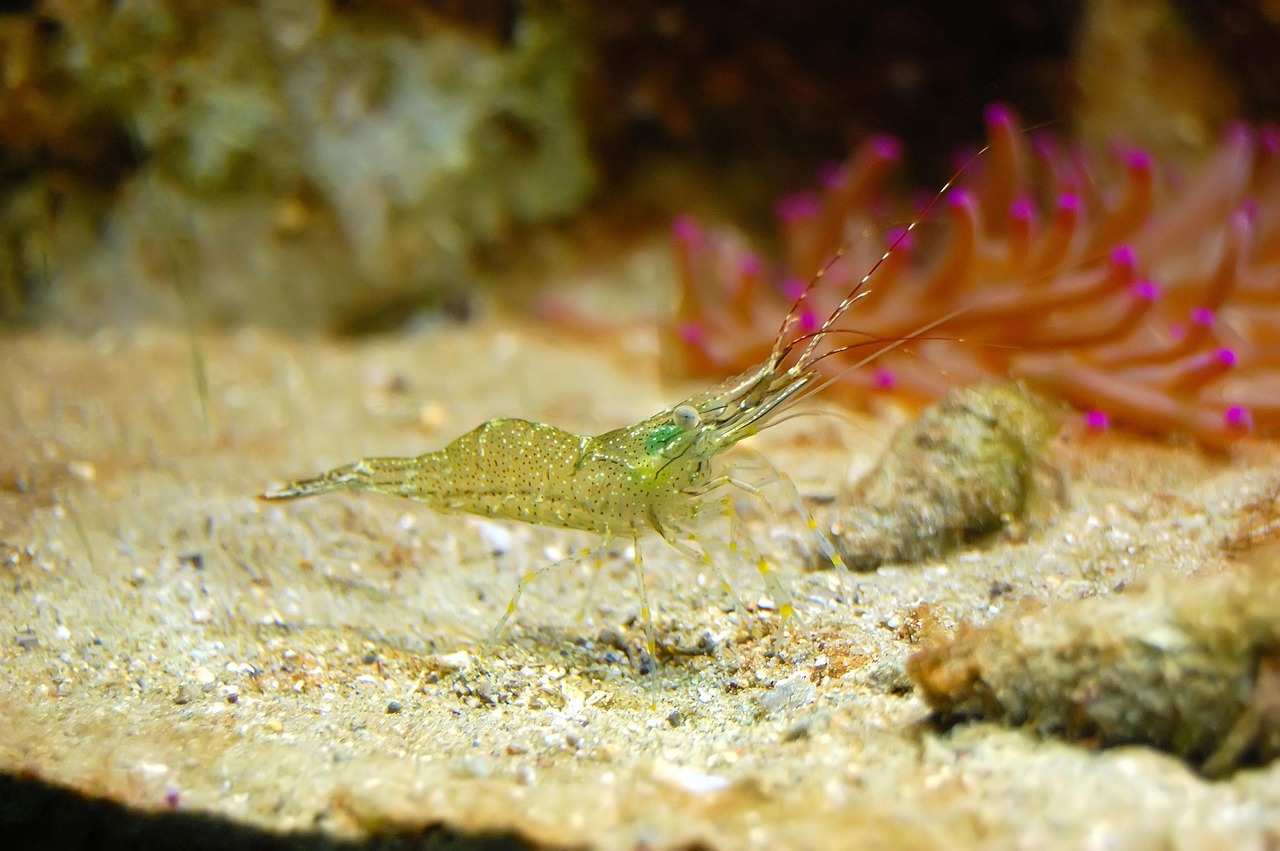
Amano shrimp (Caridina multidentata) are the most popular algae-eating shrimp in the hobby, yet breeding them remains one of freshwater aquaculture’s greatest challenges. Unlike cherry shrimp that breed effortlessly in freshwater, Amano shrimp larvae require brackish to marine water to survive — a complex requirement that deters most hobbyists. This breed Amano shrimp guide from Gensou Aquascaping at 5 Everton Park walks you through the entire process.
Why Amano Breeding Is Difficult
In the wild, berried Amano shrimp release their larvae into freshwater streams that flow into the sea. The larvae develop in brackish or marine water for four to six weeks before metamorphosing into tiny shrimp that migrate upstream into freshwater. Replicating this lifecycle in captivity requires maintaining two separate environments — freshwater for the adults and saltwater for the larvae — and successfully transitioning the juveniles back to freshwater.
Step 1: Getting Berried Females
Healthy, well-fed female Amano shrimp in a mature freshwater tank will naturally become berried (carrying eggs). Berried females carry 1,000–3,000 tiny greenish-brown eggs under their abdomen, fanning them constantly for oxygenation. The eggs take four to six weeks to develop, gradually darkening and developing visible eye spots. When the eggs are nearly ready to hatch, set up the larval tank.
Step 2: The Larval Tank
Prepare a 10–20 litre tank with saltwater at a specific gravity of 1.015–1.024 (full marine salinity works). Use marine salt mix (not aquarium salt) dissolved in RO or dechlorinated water. Maintain the temperature at 22 °C–24 °C. Add a small air stone for gentle aeration. No filter — the larvae are too tiny and will be sucked in. No substrate. Lighting should be on 24 hours to promote the algae growth that feeds the larvae.
Step 3: Hatching
When the female’s eggs show clear eye spots, transfer her to a breeding container within the larval tank (so she remains in freshwater while the larvae drop into saltwater). Alternatively, wait until she releases the larvae at night in the freshwater tank, then carefully collect them with a pipette or turkey baster and transfer them to the saltwater tank. The larvae are tiny — about 1.5 mm — and swim toward light.
Step 4: Larval Rearing
This is the most challenging phase. Larvae need microscopic food: phytoplankton (marine microalgae like Nannochloropsis or Spirulina powder), crushed Spirulina flakes dusted onto the water surface, or commercial liquid invertebrate food. Feed tiny amounts multiple times daily. The water turns slightly green from the phytoplankton — this is normal and beneficial. Perform small daily water changes (10 per cent) using pre-mixed saltwater at the same salinity and temperature. The larval stage lasts four to six weeks.
Step 5: Metamorphosis and Transition
After four to six weeks, the larvae metamorphose into tiny (2–3 mm) versions of adult shrimp. They settle to the bottom instead of swimming in the water column. Once metamorphosis is complete, begin the slow transition back to freshwater. Reduce salinity gradually over one to two weeks by replacing saltwater with freshwater during water changes. Drop the specific gravity by 0.002 per day until you reach freshwater. Rushing this step kills the juveniles.
Step 6: Growing Out
Once fully transitioned to freshwater, the juvenile Amano shrimp can be raised in a small freshwater tank with a sponge filter, biofilm-covered surfaces and supplemental feeding of crushed algae wafers and Spirulina powder. They grow slowly — reaching sellable size (2–3 cm) takes three to four months. Survival rates from larvae to juvenile typically range from 5–30 per cent even with good technique.
Why Most Hobbyists Don’t Bother
The process requires maintaining marine salt water, culturing phytoplankton, daily multi-feeding schedules, and weeks of careful salinity management — all for a relatively low survival rate. Amano shrimp are cheap to buy ($2–$4 each in Singapore), making the cost-benefit ratio poor compared to the effort. However, for dedicated hobbyists who enjoy the challenge, successfully breeding Amano shrimp is one of the most rewarding achievements in freshwater aquaculture.
Related Reading
- Amano Shrimp Breeding Challenges: Larval Stages and Saltwater Phase
- Amano Shrimp vs Cherry Shrimp: Which Is Better for Your Tank?
- Amano Shrimp vs Otocinclus: Which Algae Crew Wins?
- How to Breed Bamboo Shrimp: Larval Stages and Brackish Requirements
- How to Breed Blue Bolt Shrimp: Taiwan Bee Colour Selection



