
Long-Fin Clown Pleco Care Guide: Driftwood Dweller With Flowing Fins
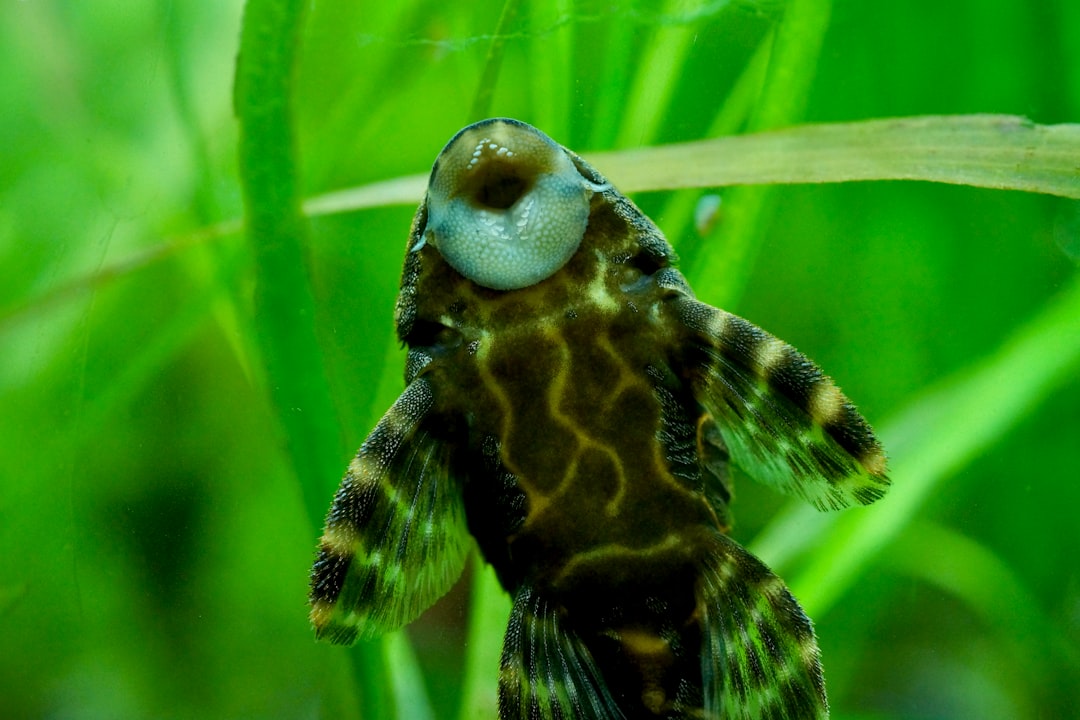
This long fin clown pleco care guide is for aquarists in Singapore who want a compact, beautifully patterned catfish with an elegant twist. At Gensou Aquascaping, 5 Everton Park, we appreciate the long-fin variant of the clown pleco for its dramatic finnage and manageable size, making it a practical addition to a wide range of planted and community tanks.
Species Overview and Origin
The clown pleco (Panaqolus maccus, formerly classified under Panaque) is a small plecostomus species native to Venezuela, where it inhabits driftwood-rich rivers and tributaries. The long-fin variant is a selectively bred form that retains the same bold black and orange-brown striped pattern but features noticeably elongated dorsal, pectoral and caudal fins that trail gracefully as the fish moves. Adults typically reach 8 to 10 centimetres, making them one of the smaller plecos available and ideal for aquariums where space is at a premium.
Tank Size and Setup
A single long-fin clown pleco can be housed in a tank as small as 80 litres, though 100 litres or more provides better conditions, especially in a community setting. The single most important element of their habitat is driftwood. Clown plecos are xylivores, meaning they consume wood as a significant part of their diet. Provide multiple pieces of Malaysian driftwood, mopani or spider wood, ensuring a variety of textures and sizes. Caves and crevices formed by wood and rock offer essential hiding spots. A dark, fine-grained substrate complements the natural aesthetic and makes the fish’s bold markings stand out.
Water Parameters
Long-fin clown plecos prefer a pH of 6.0 to 7.5, a temperature of 24 to 28 degrees Celsius and a hardness of 3 to 12 dGH. These parameters align well with Singapore’s treated tap water, making the species straightforward to keep from a water chemistry perspective. Maintain ammonia and nitrite at zero and nitrate below 25 parts per million. Good filtration with moderate flow is recommended, as clown plecos produce wood-based waste that can cloud water if not managed. A canister or hang-on-back filter with fine mechanical media handles this effectively.
Diet and Nutrition
Unlike many plecos that are primarily algae eaters, clown plecos are wood grazers first and foremost. They rasp on driftwood surfaces, consuming both the wood fibres and the biofilm that colonises them. Supplement this with sinking algae wafers, blanched vegetables such as courgette and cucumber, and occasional protein in the form of frozen bloodworms or shrimp. Feed supplementary foods in the evening when the fish is most active. A varied diet ensures the long-fin clown pleco maintains healthy growth, strong fin development and good overall condition.
Behaviour and Activity Patterns
Clown plecos are nocturnal and spend most daylight hours tucked into crevices or pressed against driftwood. They become noticeably more active after lights-out, emerging to graze and explore. The long-fin variety moves somewhat more slowly and deliberately than the standard form due to its extended finnage, giving it an almost ethereal quality in low light. They are not territorial in the aggressive sense but will claim a favourite hiding spot and defend it from other bottom-dwellers. Providing multiple retreats for each pleco in the tank avoids conflict.
Compatible Tankmates
Long-fin clown plecos are peaceful and largely ignore other fish. They coexist well with small to medium community species such as tetras, rasboras, Corydoras catfish, gouramis and peaceful cichlids. Avoid housing them with large, aggressive bottom-dwellers or species that may nip at their elongated fins. Shrimp are generally safe companions, as clown plecos show no predatory interest in invertebrates. At Gensou Aquascaping, we frequently include them in planted community setups where they serve as both a visual feature and a functional member of the clean-up crew.
Breeding Long-Fin Clown Plecos
Clown plecos are cave spawners. The male selects a tight cave, usually within a piece of driftwood or a ceramic breeding cave, and entices the female inside. After spawning, the male guards the eggs and fans them until they hatch, typically within four to five days. Fry are small but relatively self-sufficient, feeding on biofilm and the surfaces of driftwood almost immediately. Breeding is more likely in a dedicated tank with pristine water, multiple cave options and a well-conditioned pair. Cooler water changes can simulate the rainy season and trigger spawning behaviour.
Health and Long-Term Care
Long-fin clown plecos are hardy when their basic needs are met. The most common problem arises from insufficient driftwood, which can lead to nutritional deficiency and poor fin condition. Ensure wood is always available and replace pieces as they break down over time. Watch for signs of fin rot, which in long-finned variants can progress quickly if water quality slips. Quarantine new arrivals for two weeks and observe their feeding response before adding them to a display tank. With consistent care, these charming catfish live eight to twelve years. For quality specimens and habitat advice in Singapore, visit Gensou Aquascaping at 5 Everton Park.
Related Reading
- Long-Fin Black Neon Tetra Care Guide: Flowing Dark Elegance
- Clown Pleco vs Bristlenose Pleco: Size, Diet and Algae Eating
- Long-Fin Emperor Tetra Care Guide: Purple Royalty With Flowing Fins
- Long-Fin Yellow Lab Cichlid Care Guide: Flowing Fins on Mbuna Gold
- Albino Bristlenose Pleco Care Guide: Pale and Popular



