
Leopard Frog Pleco Care Guide: L134 Spotted Beauty
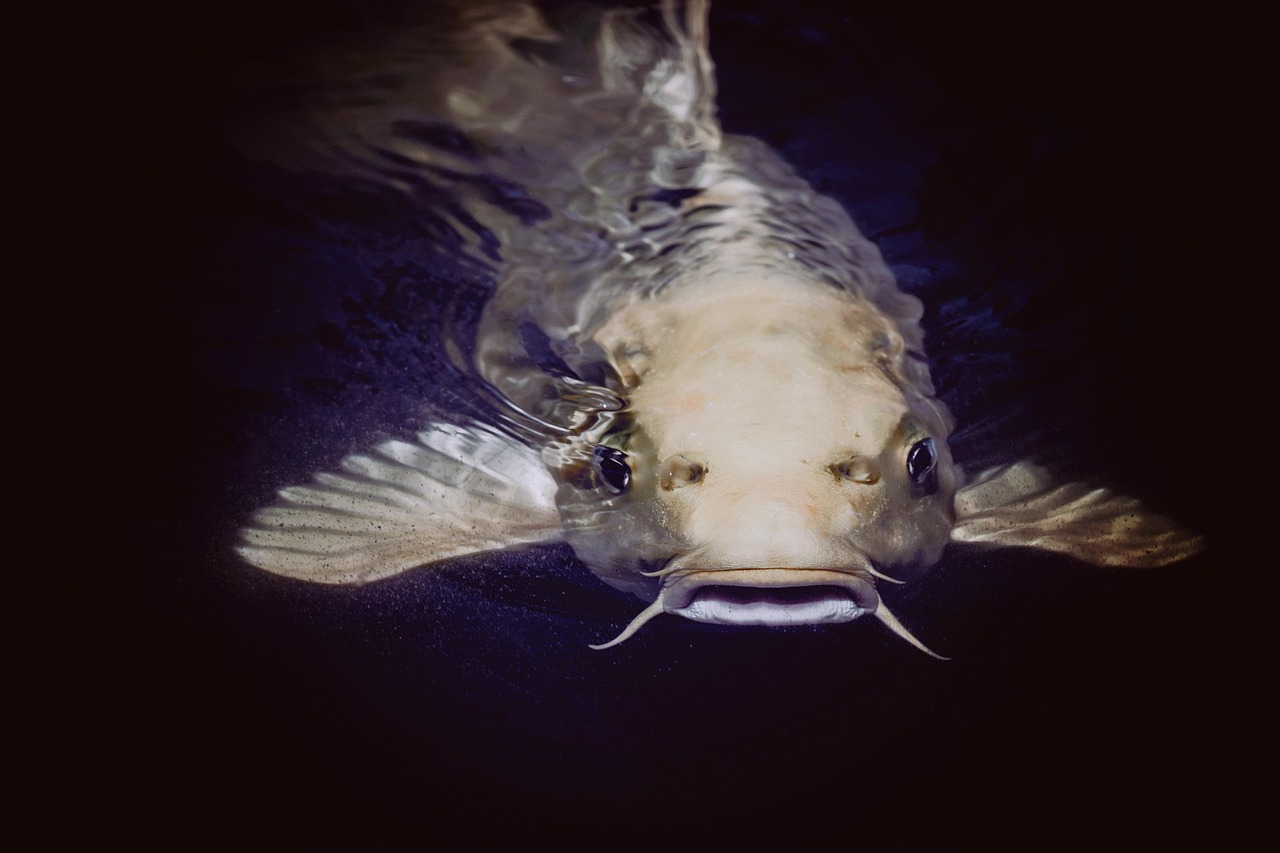
This leopard frog pleco care guide provides comprehensive information on keeping Peckoltia compta (L134), a beautifully patterned small pleco prized by aquascapers and catfish enthusiasts alike. At Gensou Aquascaping, situated at 5 Everton Park, Singapore, we value this species for its manageable size, striking appearance, and compatibility with planted setups.
Species Overview
The leopard frog pleco is found in the Rio Tapajós basin in Brazil, where it lives among rocky substrates in well-oxygenated, moderately flowing water. Adults typically reach 10 to 12 cm, making them one of the more compact plecos suitable for medium-sized aquariums.
Their common name derives from the bold pattern of dark brown or black bands and spots over a yellow to cream base, reminiscent of a leopard frog’s markings. Each individual displays a unique pattern, adding to their appeal as a distinctive centrepiece bottom dweller. The L-number L134 is used widely in the trade for identification.
Tank Size and Habitat Design
A minimum tank size of 80 litres is recommended for a single leopard frog pleco, with 120 litres or more preferred if keeping a pair or small group. Provide plenty of hiding spots using driftwood, rock caves, and ceramic tubes. Each fish should have access to its own shelter to reduce territorial disputes.
A sandy or fine gravel substrate works well. While these plecos are not plant destructors, they may occasionally uproot delicate foreground plants during nocturnal foraging. Secure plants with weights or choose robust species. Moderate water flow replicated by a canister filter or powerhead mimics their natural riverine environment.
Water Parameters
Leopard frog plecos thrive in warm, well-oxygenated water. Maintain the temperature between 26 and 30 degrees Celsius, a range that aligns comfortably with Singapore’s ambient conditions. A pH of 6.0 to 7.5 and general hardness of 2 to 12 dGH suit them well.
Good oxygenation is critical. Use a spray bar, air stone, or adequate surface agitation to ensure high dissolved oxygen levels. In Singapore’s warm climate, oxygen saturation decreases as water temperature rises, so supplementary aeration is often beneficial. Perform 25 to 30 per cent water changes weekly to maintain excellent water quality.
Feeding Requirements
The leopard frog pleco is omnivorous with a preference for protein-rich foods. Unlike some larger plecos that graze heavily on algae, this species requires a varied diet including sinking carnivore pellets, frozen bloodworms, brine shrimp, and mysis shrimp.
Supplement with blanched vegetables such as courgette, sweet potato, and spinach for fibre and micronutrients. Feed primarily in the evening, as these nocturnal fish are most active after lights out. Using a red light or observing shortly after the main lights switch off allows you to confirm they are feeding adequately.
Behaviour and Temperament
Leopard frog plecos are generally peaceful but can be territorial towards conspecifics and similar-looking plecos, particularly around prime hiding spots. Providing more caves than fish helps mitigate aggression. Males tend to be more territorial than females, especially during breeding periods.
During the day, expect them to remain hidden in their chosen cave or wedged beneath driftwood. At night, they emerge to forage across the substrate and hardscape. This shy, nocturnal lifestyle makes them a subtle but rewarding addition to planted tanks where their striking pattern can be glimpsed among the aquascape elements.
Compatible Tank Mates
Pair leopard frog plecos with peaceful community fish that occupy different water layers. Tetras, rasboras, dwarf cichlids, corydoras, and gouramis are all suitable companions. Other small pleco species can coexist provided there are sufficient hiding spots for each individual.
Shrimp may be at risk with larger specimens, as the pleco’s omnivorous diet means it may opportunistically consume small invertebrates. Adult Amano shrimp are generally safe, but smaller Caridina and Neocaridina species should be housed cautiously. Snails are typically ignored.
Breeding Leopard Frog Plecos
Breeding L134 in captivity is possible and has been achieved by dedicated hobbyists. Males develop longer odontodal growths on the pectoral fins and broader heads compared to females. Provide narrow caves slightly larger than the male’s body, as he will guard the eggs within the cave.
Trigger spawning with cooler water changes simulating the rainy season, dropping the temperature by two to three degrees during changes. The male fans and guards the eggs until they hatch in approximately seven to ten days. Fry can be fed crushed pellets and baby brine shrimp once their yolk sacs are absorbed.
Why the Leopard Frog Pleco Suits Singapore Aquascapes
The L134 leopard frog pleco offers aquascapers a compact, visually stunning bottom dweller that thrives in the warm water typical of Singapore homes. Its moderate size means it fits comfortably in medium planted tanks without overwhelming the layout. For hobbyists who want a pleco with genuine character and striking aesthetics, this species delivers on every count. Visit Gensou Aquascaping at 5 Everton Park for advice on cave setup, feeding strategies, and sourcing healthy specimens.
Related Reading



