
Galaxy Fishbone Shrimp Care Guide: Pattern Royalty
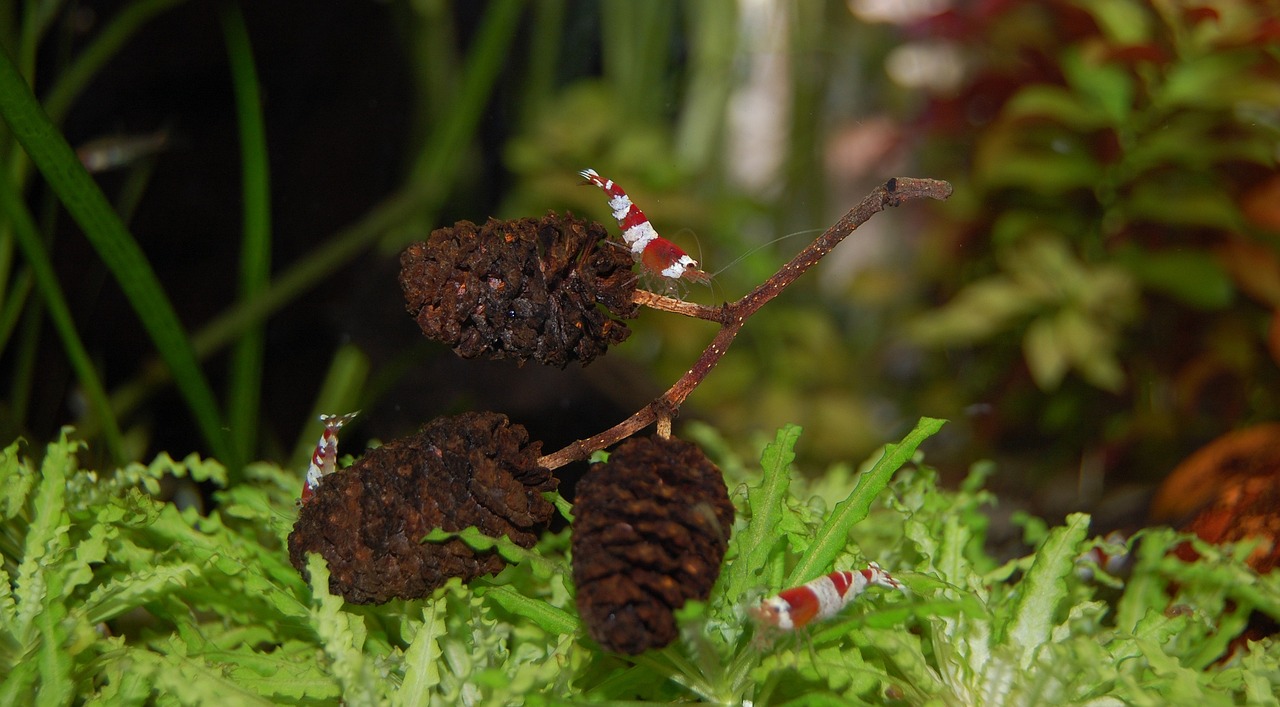
Among the elite tier of ornamental shrimp, the Galaxy Fishbone stands in a class of its own. This selectively bred Caridina variety features an intricate pattern of white “fishbone” markings over a deep blue-black body, punctuated by galaxy-like white speckles that shimmer under aquarium lighting. This galaxy fishbone shrimp care guide from Gensou Aquascaping at 5 Everton Park, Singapore, details the precise care these premium shrimp demand — because at $30–$80 per piece, getting it right matters.
Understanding the Variety
Galaxy Fishbone Shrimp are the product of years of selective breeding within the Taiwan Bee and Tiger shrimp lineages. The “fishbone” pattern refers to the symmetrical white markings along the carapace that resemble a spine and ribs, while “galaxy” denotes the additional scattered white speckles across the body. Grading is subjective but generally prioritises pattern density, symmetry, colour depth and the clarity of fishbone markings.
These are not beginner shrimp. They require stable, specific water parameters and react poorly to fluctuations that hardier Neocaridina species would shrug off.
Tank Setup
A dedicated shrimp tank of 40–60 litres is ideal. Use an active buffering substrate like ADA Amazonia, SL-Aqua Nature Soil, or Benibachi Black Soil — these lower and stabilise pH while providing surface area for biofilm growth that shrimp graze on constantly. Sponge filters are essential; hang-on-back and canister filters risk trapping shrimplets in the intake.
Add botanicals like Indian almond leaves and alder cones for tannins and supplemental biofilm. Moss — Java Moss, Christmas Moss or Flame Moss — provides grazing surface and shelter for juveniles. A mature tank that has been cycled for at least six weeks before introducing shrimp dramatically improves survival rates.
Water Parameters
Precision is non-negotiable. Maintain temperature at 22–24 °C — this is below Singapore’s typical ambient temperature of 28–32 °C, so a chiller or cooling fan is necessary. TDS of 100–150 ppm, GH of 4–6, KH of 0–1, and pH of 5.8–6.5 form the target range. Use remineralised RO or distilled water with a Caridina-specific remineraliser like SaltyShrimp GH+ to achieve these parameters consistently.
Singapore’s tap water is unsuitable even after dechlorination — its mineral profile and chloramine content make RO filtration a must for serious Caridina keepers. A basic 3-stage RO unit pays for itself quickly when you factor in the value of the livestock.
Feeding
Galaxy Fishbone Shrimp are unfussy eaters but benefit from a varied, high-quality diet. Rotate between speciality shrimp foods — Bacter AE for biofilm enhancement, Shrimp King Complete for balanced nutrition, and occasional protein-rich treats like Glasgarten Shrimp Dinner. Blanched spinach, mulberry leaves and snowflake food (soybean husks) round out the menu.
Feed sparingly. A pinch every other day for a colony of 15–20 shrimp is sufficient — these animals graze on biofilm continuously. Overfeeding is the fastest route to water quality issues and planaria outbreaks.
Colony Management
Start with a group of at least ten to ensure genetic diversity and a healthy breeding population. Females carry 15–30 eggs per clutch, with shrimplets emerging as miniature adults after roughly 30 days of incubation. Survival rates depend heavily on water stability and the presence of biofilm for newborns to graze on.
Cull strategically to maintain pattern quality. Lower-grade offspring can be sold separately or housed in a secondary tank. Keep detailed records of which females produce the highest-grade offspring — this information guides your breeding programme over successive generations.
Common Problems
Sudden deaths, often called “shrimp plague” in hobbyist circles, almost always trace back to parameter instability — a TDS spike from overfeeding, a pH swing from exhausted substrate, or a temperature surge during a power outage. Invest in a reliable TDS meter and check parameters twice weekly. Replace buffering substrate every 12–18 months as it loses capacity.
Planaria and hydra are common tank pests that prey on shrimplets. Treat planaria with fenbendazole-based products (No Planaria is widely available in Singapore). Hydra can be eliminated with a brief hydrogen peroxide spot treatment.
Sourcing in Singapore
Galaxy Fishbone Shrimp are available from specialist breeders and select aquarium shops. Prices range from $30 for lower-grade juveniles to $80 or more for high-grade breeding adults. Carousell and local shrimp hobbyist groups on Telegram are the best channels for sourcing quality stock. Always ask for photos under white light — blue LED lighting can make any shrimp look more impressive than it actually is.
Worth the Investment
Keeping Galaxy Fishbone Shrimp is a discipline as much as a hobby. The precision required rewards you with some of the most visually extraordinary creatures in freshwater aquaria. For tank setup advice and substrate recommendations tailored to premium Caridina keeping, Gensou Aquascaping draws on over 20 years of hands-on experience.
Related Reading
- Galaxy Pinto Shrimp Breeding Guide: Caridina Hybrid Patterns
- Amano Shrimp Breeding Challenges: Larval Stages and Saltwater Phase
- How to Breed Amano Shrimp: The Challenging but Rewarding Process
- Amano Shrimp vs Cherry Shrimp: Which Is Better for Your Tank?
- Amano Shrimp vs Otocinclus: Which Algae Crew Wins?



