Bloody Mary Shrimp Care Guide: Deep Red Transparent Neocaridina
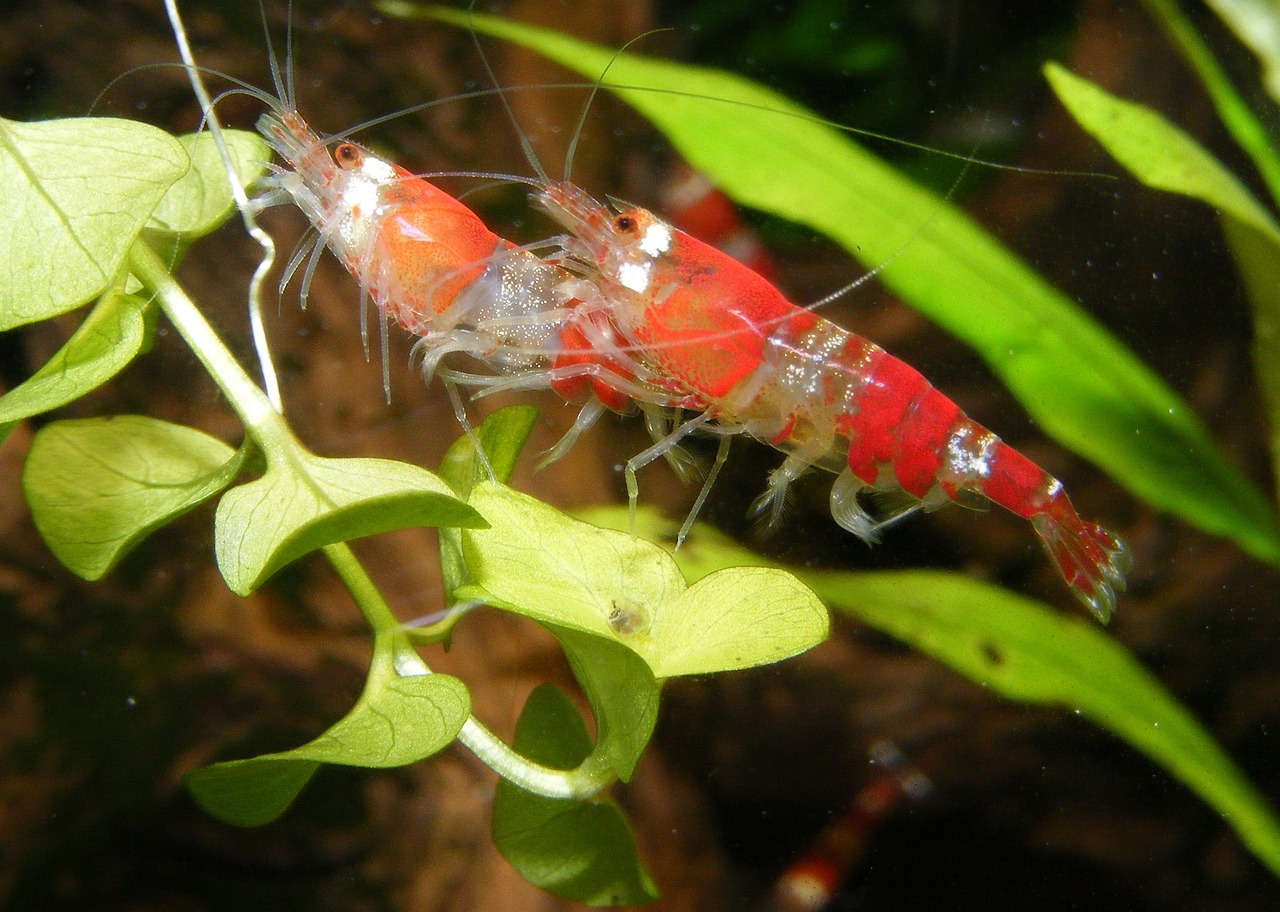
At first glance, Bloody Mary shrimp look like high-grade cherry shrimp — until you hold them up to the light. Where Painted Fire Reds are opaque, Bloody Marys achieve their deep crimson through translucent tissue that glows red from within. This bloody mary shrimp care guide from Gensou Aquascaping at 5 Everton Park, Singapore, explains what makes this colour morph distinct, how to keep them thriving, and why they have earned a dedicated following among shrimp enthusiasts in the region.
What Makes Bloody Marys Different
Bloody Mary shrimp are a selectively bred colour morph of Neocaridina davidi, derived from the chocolate or brown colour line rather than the standard red cherry lineage. Their red colouration comes from pigment distributed within the tissue itself, not concentrated in the shell. This gives them a distinctive wine-red transparency that differs visually from the flat opacity of Fire Red grades. Because of their separate genetic background, crossing Bloody Marys with standard cherry shrimp often produces wild-type brown offspring — something breeders must be mindful of.
Water Parameters
Like all Neocaridina, Bloody Marys are adaptable. Target a pH of 6.5-7.5, GH 4-8, KH 2-5, and temperature of 22-26°C. Singapore’s PUB tap water falls within acceptable range once dechlorinated — a conditioner that neutralises chloramine is essential, as Singapore uses chloramine rather than chlorine. Stability trumps perfection; gradual parameter shifts are tolerated, but sudden swings cause moulting failures and losses. Weekly water changes of 15-20% keep nitrates low without shocking the colony.
Tank Setup
A 20-litre nano tank comfortably houses a starter colony of 10-15 shrimp. Dark substrate — black aqua soil or dark fine gravel — makes the red colouration pop dramatically. Dense planting with mosses like Java moss, Christmas moss, or Fissidens fontanus provides grazing surfaces and shelter for shrimplets. Sponge filtration is the safest option; hang-on-back and canister intakes must be covered with a pre-filter sponge to prevent babies being sucked in. Add a few Indian almond leaves for biofilm production and mild tannins that shrimp benefit from.
Feeding
Bloody Marys are not demanding eaters. A quality shrimp-specific pellet or granule serves as the staple — feed a pinch every other day for a colony of 20-30 shrimp. Supplement with blanched spinach, nettle leaves, or a sliver of courgette once or twice per week. Snowflake food (soybean husks) works well as a long-lasting supplemental food that does not foul the water. Overfeeding is the top cause of water quality problems in shrimp tanks; if food remains uneaten after two hours, you are offering too much.
Colour Maintenance and Enhancement
Genetics set the baseline, but environment refines it. Dark substrates encourage pigment expression — shrimp naturally darken on dark backgrounds as a camouflage response. Foods containing astaxanthin, spirulina, and paprika enhance red tones over time. Avoid stress, which causes paling: sudden light changes, aggressive tankmates, and poor water quality all wash out colour. When purchasing, look for specimens that glow red even in the bag under shop lighting — those with strong genetics will maintain colour regardless of environment.
Breeding
Breeding happens readily in stable conditions. Females carry 20-40 eggs in their swimmerets for 28-35 days before releasing fully formed miniature shrimp. No special intervention is needed — simply provide stable water, adequate food, and hiding places for newborns. A healthy colony doubles in size every two to three months. To maintain colour quality, cull any offspring that lean toward brown or orange into a separate tank. Strict selection over four to five generations produces remarkably consistent deep red colonies.
Tankmates
Small, peaceful fish are acceptable companions — Boraras brigittae, pygmy corydoras, and otocinclus work well. Avoid anything large enough to eat adult shrimp, which means most medium-sized fish are off limits. For maximum breeding success, a species-only setup is ideal. Snails like nerites and ramshorns are safe and help manage algae. In community planted tanks, expect lower shrimplet survival rates as even small fish will opportunistically eat newborn shrimp.
Pricing and Availability
Bloody Mary shrimp are readily available in Singapore at $3-6 each, depending on grade and source. Online platforms like Carousell and hobbyist groups on Telegram are often cheaper than retail shops. When buying, request photos under white light rather than blue LED — some sellers use coloured lighting that exaggerates redness. A reputable seller will happily show their shrimp under neutral conditions. This bloody mary shrimp care guide reflects Gensou Aquascaping’s hands-on experience helping Singapore hobbyists build thriving invertebrate colonies.
Related Reading
- Amano Shrimp Breeding Challenges: Larval Stages and Saltwater Phase
- How to Breed Amano Shrimp: The Challenging but Rewarding Process
- Amano Shrimp vs Cherry Shrimp: Which Is Better for Your Tank?
- Amano Shrimp vs Otocinclus: Which Algae Crew Wins?
- Aura Blue Shrimp Care Guide: Caridina Cantonensis Blue Morph

emilynakatani
Still Have Questions About Your Tank?
Drop by Gensou Aquascaping — most walk-in questions get answered in under 10 minutes by someone who has set up hundreds of tanks.
5 Everton Park #01-34B, Singapore 080005 · Open daily 11am – 8pm