
How to Breed Clown Killifish: Rocket Panchax Spawning in Nano Tanks
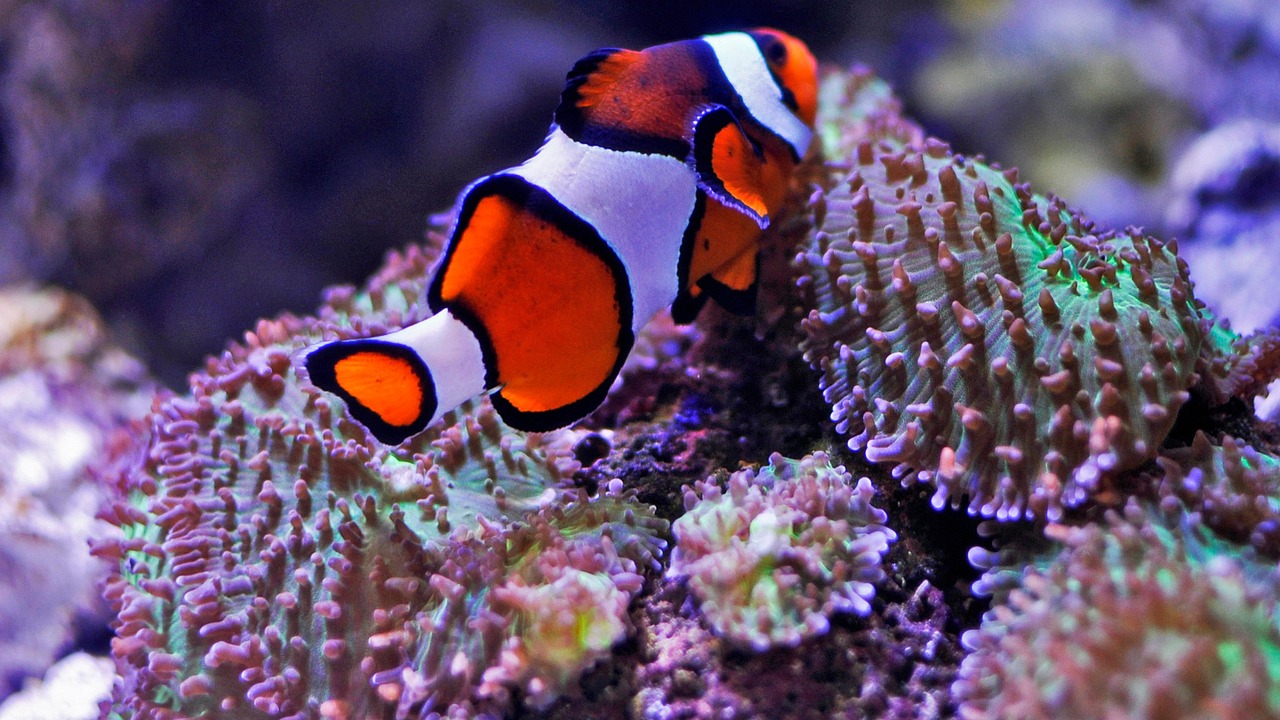
The clown killifish is one of those species that earns a permanent place in any nano fish collection — not just for the male’s spectacular striped tail, but because once you understand its breeding requirements, breeding clown killifish becomes genuinely easy and endlessly satisfying. Epiplatys annulatus — sometimes called the rocket panchax — is a surface spawner from West Africa that lays eggs among floating plant roots, does not require egg burial, and produces fry that, while tiny, are manageable with the right foods. Gensou Aquascaping at 5 Everton Park, Singapore walks you through the complete process below.
The Species at a Glance
Adults reach just 3.5–4 cm, making them genuinely nano. Males carry that distinctive tiger-striped, lyre-shaped tail in orange, white, and black — one of the most striking patterns in small freshwater fish. Females are plainer, shorter-tailed, and slightly rounder when gravid. Unlike many killifish, clown killifish are not annual species; they do not require egg drying and can be bred continuously in a permanent aquarium setup. Water temperature of 24–28°C suits them, and Singapore’s ambient room temperature means no heater is typically necessary.
Breeding Tank Setup
A 10–20 litre nano tank is ideal. Cover the surface generously with floating plants — Indian frogbit, Salvinia natans, or even a clump of java moss allowed to float. Clown killifish lay eggs within the floating root mass; the cover also protects surface-spawning fish from jumping, which they will do if startled. A tight-fitting lid is non-negotiable with this species. Filtration should be a very small sponge filter or an air-powered box filter — these fish occupy still or near-still water in nature and current stresses them.
Water parameters: pH 6.5–7.5, GH 4–10, temperature 24–27°C. Soft, slightly tinted water mimics their forest stream habitat. Adding a small piece of Indian almond leaf introduces mild tannins and provides additional surface cover.
Conditioning and Pair Selection
Feed the breeding pair or group (one male to two females works well) heavily on live and frozen foods for two weeks before expecting spawning. Baby brine shrimp nauplii, micro-worms, daphnia, and small frozen bloodworms all condition females effectively. A gravid female appears noticeably full in the belly when viewed from above. Males in breeding condition display continuously, spreading their tail and circling females with considerable persistence.
Spawning Behaviour and Egg Collection
Spawning happens near the surface among floating plant roots, usually in the morning. The pair swim side by side, the male pressing against the female’s flank, and deposit single eggs individually into the root tangle. Eggs are small — about 1.2 mm — clear to pale yellow, and slightly sticky. A healthy female deposits three to eight eggs per day over weeks; cumulative production from a well-conditioned pair can run to 50–80 eggs in a single month.
You have two options: leave eggs in the spawning tank and remove fry as they appear, or move the floating plant clump to a separate hatching container every week. The second method prevents adult fish from locating and eating eggs or fry, which they will do occasionally even though clown killifish are not aggressive egg predators by killifish standards.
Hatching and First Foods
Eggs hatch in 10–14 days at 26°C. Newly hatched fry are extremely small — roughly 3 mm — and hang near the surface almost motionless for the first day. They require infusoria or commercially prepared rotifers as a first food; baby brine shrimp nauplii are too large for the first three to five days. Vinegar eels are another practical first food that many local breeders culture inexpensively at home. Keep fry containers dimly lit and covered; surface tension is a real hazard for fry this small, so avoid any splashing or turbulence.
Growing Fry to Juvenile Stage
Growth is slow but steady. By three weeks most fry reach 8–10 mm and can accept small baby brine shrimp reliably. By five to six weeks at 1.5–2 cm, the first hints of male colouration begin appearing on the tail. Full adult colouration and size arrives at around three months. Maintain pristine water quality throughout the grow-out phase with frequent small changes — 10–15% every two days — and the fry are hardy once past their first week.
Why This Species Rewards Patient Breeding
Unlike egg-burying killifish that require dry storage and precise rehydration, clown killifish breed with a simplicity that makes them accessible to anyone already keeping a planted nano tank. The eggs hatch on their own schedule, the fry require only small live foods readily available in Singapore, and the adults continue spawning for months without intervention. Start with a pair, keep floating plants well-stocked, and fry will appear whether you plan for them or not.
Related Reading
- How to Breed Golden Wonder Killifish: Surface Spawners in Planted Tanks
- How to Breed Norman’s Lampeye Killifish: Surface Spawners in Soft Water
- How to Breed Amano Shrimp: The Challenging but Rewarding Process
- How to Breed Assassin Snails: Slow but Steady Reproduction
- How to Breed Bamboo Shrimp: Larval Stages and Brackish Requirements



