
Apistogramma Cacatuoides Care Guide: Cockatoo Dwarf Cichlid
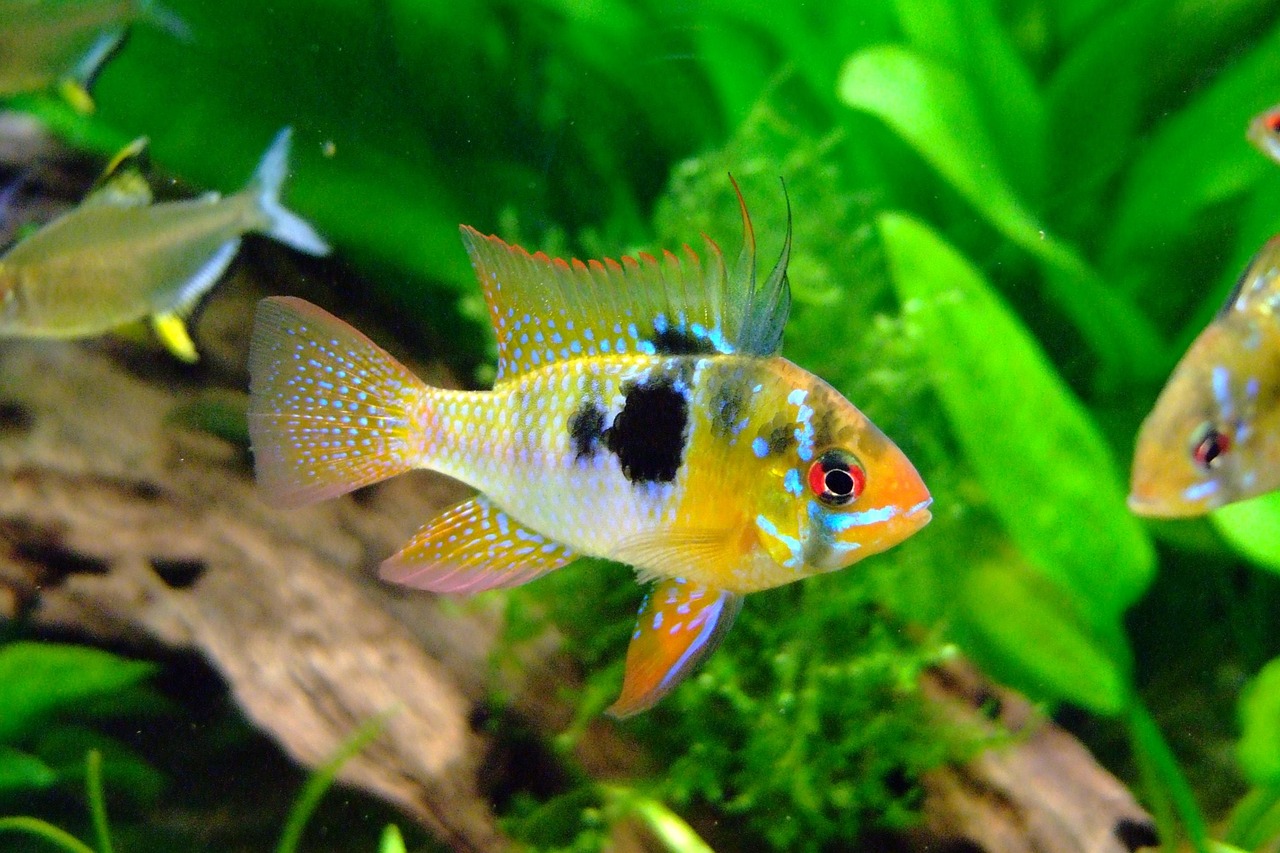
Few dwarf cichlids match the personality and colour of Apistogramma cacatuoides, the cockatoo dwarf cichlid. Males flare extravagant dorsal spines and flash vivid orange, red or blue depending on the strain, while females turn electric yellow when guarding eggs. This apistogramma cacatuoides care guide covers everything from tank setup to breeding, tailored to Singapore’s water conditions. At Gensou Aquascaping, 5 Everton Park, Singapore, we regularly stock captive-bred pairs and can help you choose healthy specimens. This guide sits inside our broader Tropical Fish Species Master Index reference.
Species Overview
Apistogramma cacatuoides originates from slow-moving tributaries and floodplain pools in Peru and Colombia. Adults reach 6-8 cm for males and 4-5 cm for females. They are cavity spawners, meaning females deposit eggs inside caves or under overhangs. Lifespan in captivity is typically three to four years with good care. Several colour morphs exist — Double Red, Triple Red, Orange Flash and Super Red are the most commonly traded varieties.
Tank Size and Setup
A single pair thrives in a 60 cm (approximately 55-litre) tank. For a harem of one male and two to three females, step up to 75-90 cm to provide each female with her own territory. Furnish the tank with driftwood, smooth stones and plenty of hiding spots. Coconut shell halves, small terracotta pots laid on their sides, and commercial ceramic caves all work as spawning sites — provide at least one cave per female.
A sandy substrate is ideal; fine pool filter sand (SGD 5-8 per bag locally) mimics their natural habitat and allows the fish to sift comfortably. Plant the tank moderately with Java fern, Anubias, Cryptocoryne and floating plants to diffuse light and create broken sight lines that reduce aggression.
Water Parameters
This is where Singapore hobbyists have an advantage. PUB tap water‘s soft profile (GH 2-4, KH 1-3, pH around 7.0) is well within the acceptable range for captive-bred A. cacatuoides. Aim for a pH of 6.0-7.0, temperature 25-28 °C and GH below 8. Wild-caught specimens may prefer even softer, more acidic water (pH 5.0-6.0), but tank-bred stock is far more adaptable.
Always dechlorinate with a conditioner that handles chloramine — standard in Singapore’s water supply. Indian almond leaves or a few alder cones add beneficial tannins and gently lower pH, replicating the blackwater conditions these fish encounter in nature.
Diet and Feeding
Cockatoo dwarf cichlids are micro predators in the wild, feeding on insect larvae, small crustaceans and worms. In the aquarium, offer a varied diet: high-quality micro pellets as a staple, supplemented with frozen bloodworms, daphnia and brine shrimp two to three times per week. Live foods — grindal worms, baby brine shrimp — are excellent for conditioning breeding pairs. Feed small amounts twice daily rather than one large meal.
Behaviour and Tank Mates
Males are territorial but not overly aggressive by cichlid standards. Problems arise when the tank is too small or lacks visual barriers. Suitable tank mates include small tetras (ember tetras, green neons), pencilfish, Corydoras catfish and otocinclus. Avoid other bottom-dwelling cichlids or aggressive species that compete for cave space.
Females establish territories of roughly 25-30 cm radius around their chosen cave. When a female is guarding eggs or fry, she becomes fiercely defensive — even chasing the male away. This is normal and one reason each female needs her own cave at a distance from others.
Breeding Apistogramma Cacatuoides
Breeding is straightforward once a pair bonds. The female claims a cave, turns bright yellow, and courts the male by displaying a curved body posture near the entrance. She lays 40-80 eggs on the cave ceiling, and the male fertilises them in brief visits. The female then guards the clutch alone, fanning the eggs to prevent fungus.
Eggs hatch in two to three days at 27 °C, and fry become free-swimming after another three to four days. Feed newly free-swimming fry with infusoria or liquid fry food for the first week, then transition to freshly hatched baby brine shrimp. The female shepherds the fry around the tank for several weeks — watching this parental behaviour is one of the great joys of keeping apistos.
Common Health Issues
Dwarf cichlids are susceptible to bacterial infections and parasitic diseases when water quality deteriorates. Perform 25-30 percent water changes weekly and keep the substrate clean by gentle siphoning. Hexamita (hole-in-the-head disease) can occur in stressed or poorly fed fish — a varied diet rich in protein helps prevent it. Quarantine new fish for two weeks before adding them to an established apistogramma cacatuoides care setup to avoid introducing pathogens.
Why They Suit Singapore Aquascapes
The combination of soft tap water, warm ambient temperatures and year-round availability of live foods makes Singapore an excellent place to keep and breed A. cacatuoides. You rarely need a heater, and water chemistry requires minimal adjustment. Their compact size and planted-tank compatibility mean they slot beautifully into nature-style aquascapes without disturbing the layout.
For captive-bred pairs, spawning caves and tailored feeding advice, visit Gensou Aquascaping at 5 Everton Park. We are always happy to help you get started with these charismatic little cichlids.
Related Reading



