
How to Breed Tangerine Tiger Shrimp: Caridina Colour Selection
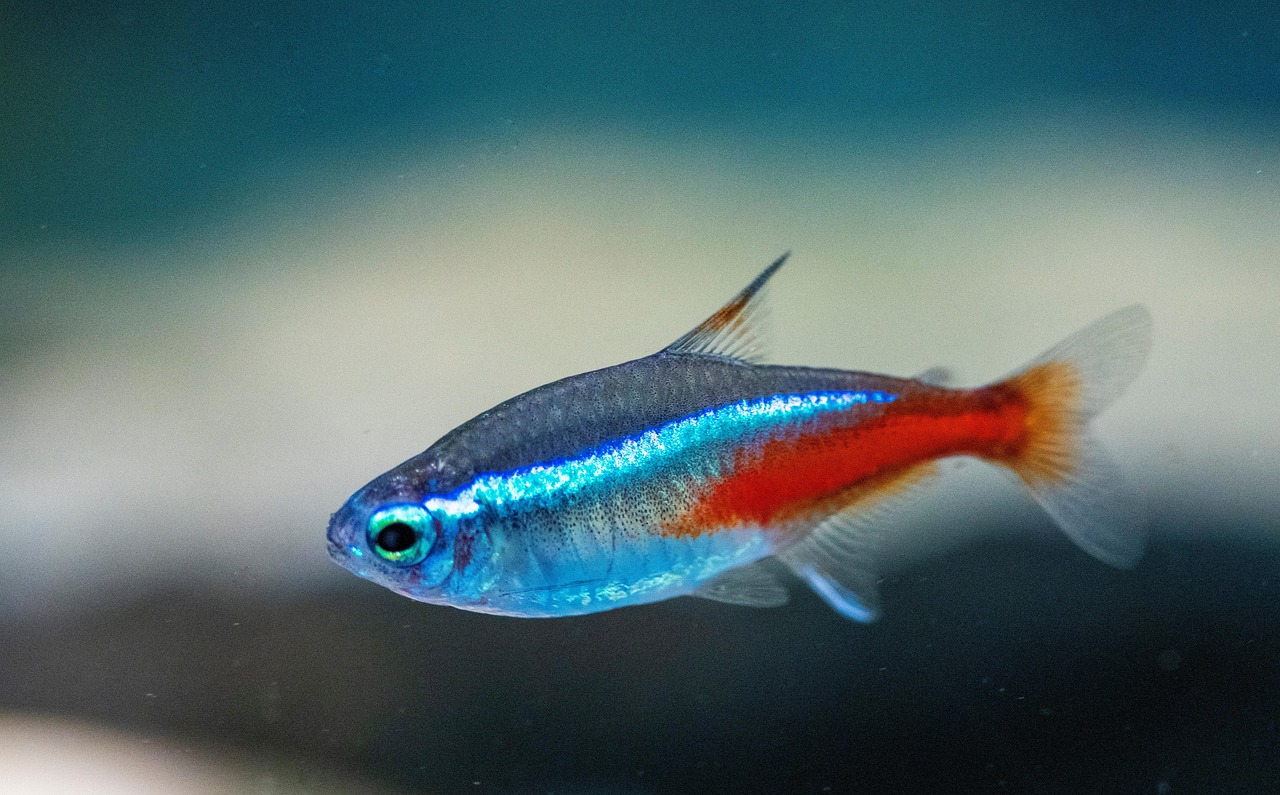
Tangerine tiger shrimp are one of the most striking Caridina variants available — deep orange bodies crossed with bold black or white banding, the result of decades of selective breeding from wild Caridina mariae populations. Successfully breeding tangerine tiger shrimp and maintaining vivid colouration across generations requires precise water chemistry, consistent selection, and a clear understanding of Caridina genetics. This guide from Gensou Aquascaping at 5 Everton Park, Singapore covers the full breeding cycle from colony setup to fry to culling strategy.
Water Parameters for Caridina mariae
Tangerine tigers share the same demanding Caridina water requirements as crystal reds and Taiwan bees. Target pH 6.0–6.8, TDS 100–150 ppm, GH 4–6, KH as close to zero as possible (0–1), and temperature 22–25°C. Singapore’s ambient room temperature of 28–30°C is already at the upper limit of their tolerance — a chiller or consistently air-conditioned room is practically essential for year-round health and breeding.
Use RO water remineralised with a dedicated Caridina mineral salt (Salty Shrimp GH+ or equivalent). Never use products that raise KH — any significant carbonate hardness prevents moulting. Test water every two to three days when a colony is new, weekly once stable.
Tank and Substrate Setup
Active substrate is mandatory. ADA Amazonia, Brightwell Rio Escuro, or Gex Nozomi buffered substrates maintain the low pH and KH that Caridina require. A new substrate batch typically requires four to eight weeks of cycling before shrimp are safe to introduce, as initial ammonia leaching is significant. Tank size of 30–60 litres is adequate for a breeding colony of 20–30 adults.
Filtration should use a sponge filter, matten filter, or a canister with a sponge pre-filter — shrimp and especially fry are easily sucked into unprotected intakes. Add Java moss, Bucephalandra, or subwassertang for cover and biofilm surface area. Low lighting suits both the shrimp’s comfort and algae control.
Understanding Tangerine Tiger Colour Genetics
Tangerine tigers carry the tiger pattern gene from C. mariae combined with selective breeding for orange carotenoid pigmentation. The banding pattern (number of bands, width, sharpness) and the orange saturation are both heritable traits — but both are also influenced by diet and water quality. A shrimp with the genetic potential for deep orange will appear washed-out in poor conditions.
Red eye versus black eye lines are a further distinction. Red-eyed tangerine tigers (RETS — Red Eye Tangerine) are a separate selectively bred line carrying the recessive red eye trait and often showing more vivid orange due to years of focused selection.
Breeding Behaviour and Moulting
Females moult and release pheromones that trigger intense male activity — every male in the tank will swim frantically searching for the female. Mating occurs within 12–18 hours of moulting. A berried female (carrying visible orange eggs under the abdomen) should not be moved or stressed. Eggs incubate for 25–35 days at 24°C, slightly longer at lower temperatures. Fry emerge as miniature adults, fully independent from day one.
Failed moults are the most common cause of death in Caridina shrimp. Usually caused by incorrect GH/KH balance or sudden parameter swings. Never change large volumes of water at once — 10% per day maximum for adjustments.
Colour Selection for the Next Generation
Cull or remove from the breeding colony any shrimp with faded orange, broken banding, or muddied pattern. Keep only the sharpest, most intensely coloured individuals as breeding stock. Feed carotenoid-rich foods regularly — astaxanthin-enriched shrimp pellets, dried Spirulina, and natural colour foods like blanched carrots enhance orange expression even in genetically strong lines. Separate culls don’t need to be destroyed — they can live out their lives in a lower-quality “cull tank” separate from the breeding colony.
Colony Health and Common Problems
Vorticella (white fuzzy protozoan growths) and bacterial infections are the most frequent health issues. Both typically follow parameter instability or introduction of pathogens from new shrimp. Quarantine new additions for two weeks minimum. Treat Vorticella with a 30-minute salt bath (5 grams of non-iodised salt per litre) carefully or with commercially available protozoa treatments at reduced doses. Maintaining a stable, cycled tank with low nitrates (below 10 ppm) and consistent TDS removes most of the conditions that allow outbreaks to take hold.
Related Reading
- Tangerine Tiger Shrimp Care Guide: Caridina Serrata Orange
- How to Breed Amano Shrimp: The Challenging but Rewarding Process
- How to Breed Bamboo Shrimp: Larval Stages and Brackish Requirements
- How to Breed Blue Bolt Shrimp: Taiwan Bee Colour Selection
- How to Breed Blue Dream Shrimp: Neocaridina Colour Line Selection



