
Clown Pleco vs Bristlenose Pleco: Size, Diet and Algae Eating
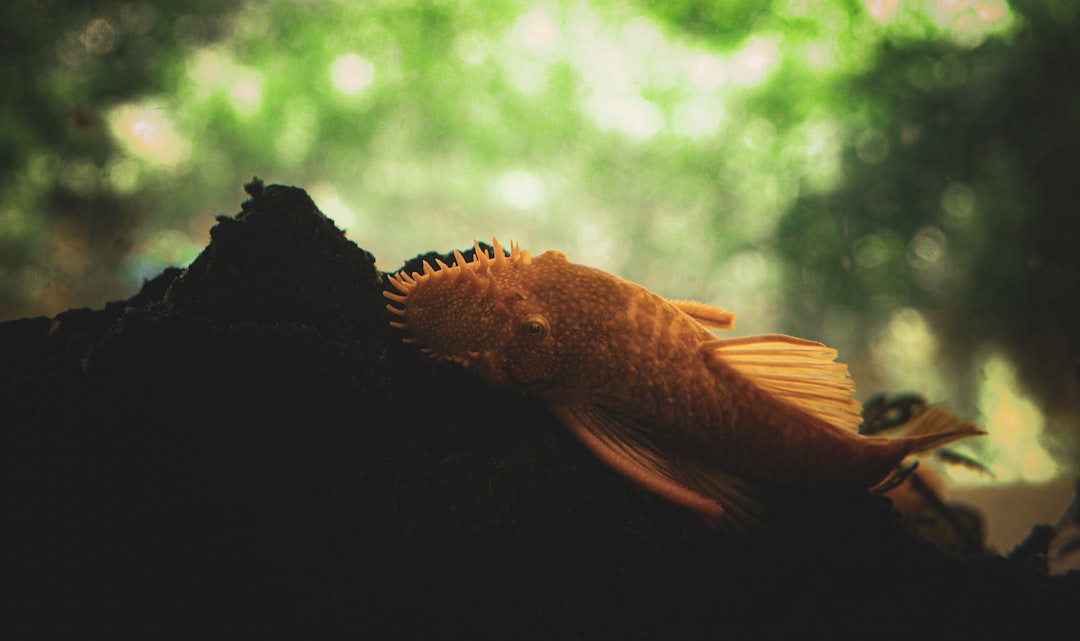
If you want a pleco that stays manageable in a home aquarium, the clown pleco and bristlenose pleco are two of the most popular choices. But they differ in ways that matter for your tank’s balance and maintenance. This clown pleco vs bristlenose pleco comparison from Gensou Aquascaping at 5 Everton Park, Singapore helps you decide which armoured catfish suits your setup.
Size at Maturity
The clown pleco (Panaqolus maccus) stays small, reaching 8 to 10 cm as an adult. The bristlenose pleco (Ancistrus spp.) grows larger, typically 12 to 15 cm depending on the species. In a standard 60-litre planted tank, the clown pleco’s smaller footprint is a genuine advantage. Bristlenoses are better suited to tanks of 100 litres and above, where their higher bioload does not overwhelm filtration.
Algae Eating Ability
Here is the critical distinction most hobbyists care about. Bristlenose plecos are dedicated algae grazers. They will methodically clean glass, hardscape and broad-leafed plants of green algae, diatoms and biofilm. A single bristlenose can make a visible difference in a moderately algae-affected 120-litre tank within a week. Clown plecos, by contrast, are primarily wood eaters. They rasp at driftwood for the cellulose and associated biofilm but show little interest in cleaning glass or tackling algae outbreaks.
If algae control is your primary motivation, the bristlenose is the clear winner.
Diet and Nutrition
Bristlenoses are omnivorous with a herbivorous lean. Algae wafers, blanched zucchini, cucumber and spinach form the staple diet, supplemented with occasional protein from sinking pellets or frozen bloodworms. Clown plecos are xylivores, meaning they derive significant nutrition from wood. A piece of Malaysian driftwood or mopani wood in the tank is not just decorative; it is essential for their digestion. Supplement with algae wafers and blanched vegetables two to three times per week.
Behaviour and Activity
Both species are nocturnal and spend daylight hours hiding in caves, under driftwood or among dense plants. Bristlenoses become bolder over time and are often seen grazing in the open during feeding. Clown plecos are shyer and may not be visible for days at a stretch. If you want a pleco you can actually observe regularly, the bristlenose is more rewarding. Provide at least one hiding spot per pleco to reduce stress, especially if keeping multiples.
Breeding in the Home Aquarium
Bristlenose plecos are among the easiest fish to breed in captivity. Provide a cave or coconut shell, and a conditioned pair will spawn with minimal intervention. Males guard the eggs and fan them until hatching, roughly four to six days at 26 degrees C. Clutch sizes of 30 to 80 are common. Clown pleco breeding follows a similar pattern but occurs less frequently in captivity and produces smaller clutches of 10 to 30 eggs. Both species breed readily in Singapore’s water conditions.
Water Parameters
Both tolerate a broad range: pH 6.0 to 7.5, GH 2-15 and temperature 24 to 28 degrees C. Singapore’s dechlorinated tap water is well within range for either species. Neither requires a heater locally. Bristlenoses produce a heavier bioload due to their larger size and constant grazing, so robust filtration and weekly 25-percent water changes are important. Clown plecos are lighter on the filtration system.
Impact on Planted Tanks
Bristlenoses occasionally uproot freshly planted stems while foraging, particularly in fine substrate. Established plants are usually safe. Their rasping can damage soft-leafed species like Pogostemon helferi if algae grows on the leaves. Clown plecos are gentler on plants since their attention focuses on wood rather than vegetation. For a delicate aquascape, the clown pleco poses less risk.
Price and Sourcing in Singapore
Common bristlenose plecos (brown and albino varieties) are widely available at $3 to $8 each. Long-fin and super red varieties command $10 to $20. Clown plecos sell for $8 to $15, with wild-caught specimens sometimes higher. Both are stocked at Serangoon North area shops and listed frequently on Carousell and Shopee. Choose active, well-fed individuals with no sunken bellies or damaged fins.
Related Reading
- Albino Bristlenose Pleco Care Guide: Pale and Popular
- How to Breed Bristlenose Plecos: Caves, Fry and Tips
- Bristlenose Pleco Colour Morphs: Albino, Super Red and Longfin
- Bristlenose Pleco Diet and Feeding Guide: Algae, Veggies and Wood
- Long-Fin Clown Pleco Care Guide: Driftwood Dweller With Flowing Fins

emilynakatani
Still Have Questions About Your Tank?
Drop by Gensou Aquascaping — most walk-in questions get answered in under 10 minutes by someone who has set up hundreds of tanks.
5 Everton Park #01-34B, Singapore 080005 · Open daily 11am – 8pm


