
Leopard Bush Fish Care Guide: Ctenopoma Acutirostre Ambush Predator
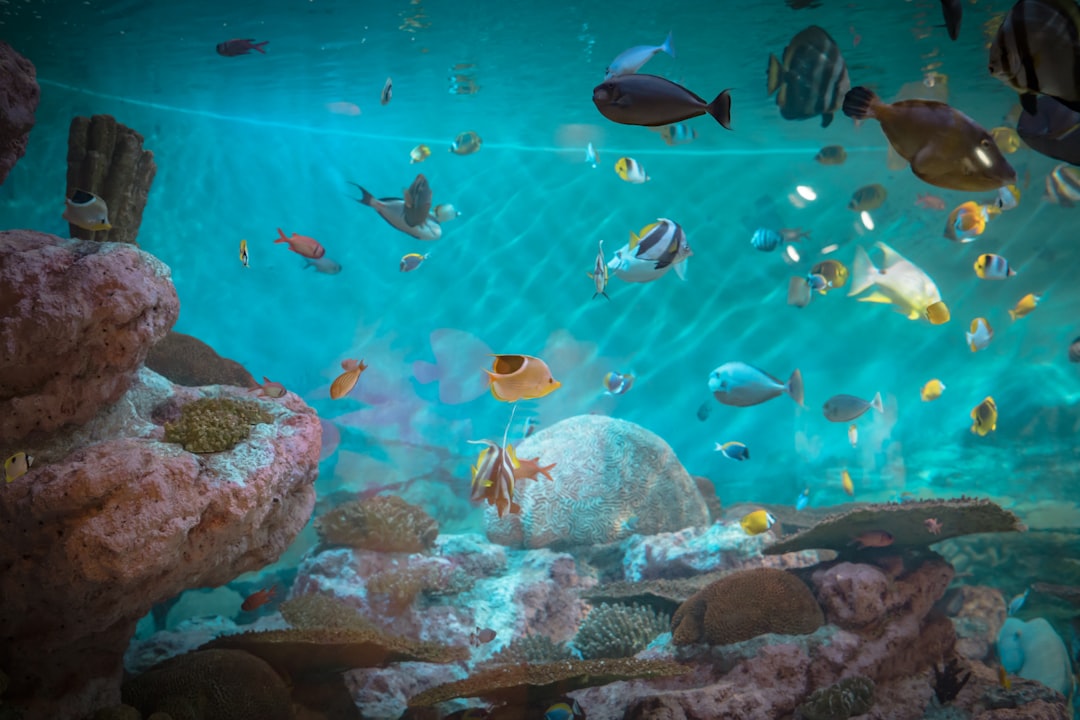
Patience defines the leopard bush fish. Ctenopoma acutirostre drifts motionless among plant stems and driftwood, its spotted pattern blending perfectly with the surroundings, until an unsuspecting prey item wanders within striking range. This leopard bush fish care guide from Gensou Aquascaping at 5 Everton Park, Singapore, covers the practical details of keeping this fascinating African anabantoid, a labyrinth fish related to gouramis but with a distinctly predatory disposition. Their beauty is subtle, their personality captivating, and their care requirements refreshingly straightforward for experienced keepers.
Origin and Classification
Ctenopoma acutirostre hails from the Congo River basin in Central Africa, where it inhabits densely vegetated pools, backwaters and slow-moving tributaries with abundant submerged wood and leaf litter. As an anabantoid, it possesses a labyrinth organ that allows it to breathe atmospheric air, an adaptation to the oxygen-poor waters of its natural habitat. This means the species tolerates low-oxygen conditions that would stress most other fish, though this should never be used as an excuse for poor tank maintenance.
Tank Setup
Provide a minimum of 150 litres for a single leopard bush fish, with 200 litres preferred for a pair. Dense planting is essential because these ambush predators rely on vegetation for hunting cover and psychological security. Use broad-leaved plants like Anubias, Echinodorus and Java fern alongside driftwood branches and floating plants that dim the lighting naturally. Leave some open areas between plant clusters for the fish to patrol at dusk. Sand or fine gravel substrate works well. Avoid strong water flow; a gentle sponge filter or canister with a diffused output suits their still-water preferences.
Water Parameters
Leopard bush fish thrive in soft to moderately hard water with pH 6.0-7.5 and GH 3-15. Temperature should range from 24-28 degrees Celsius, which Singapore’s ambient conditions provide without supplemental heating. PUB tap water at GH 2-4 sits at the softer end of their tolerance, which suits them perfectly. Maintain ammonia and nitrite at zero and nitrate below 25 ppm through weekly 20-25% water changes. Stable parameters matter more than hitting a specific number; avoid sudden shifts in pH or temperature that can trigger stress-related illness.
Feeding an Ambush Predator
Bush fish are strict carnivores. Offer a diet of frozen bloodworms, brine shrimp, mysis shrimp and chopped prawns. Live foods like earthworms, river shrimp and feeder insects elicit the most natural hunting behaviour. Most specimens can be trained to accept sinking carnivore pellets over time, though some individuals stubbornly refuse dry food throughout their lives. Feed every other day for adults; their low-energy ambush lifestyle means they require less food than actively swimming predators of similar size. Overfeeding leads to fatty liver disease, a common but preventable problem.
Tank Mate Selection
The critical rule is simple: any fish that fits in the bush fish’s surprisingly large mouth will be eaten. Ctenopoma acutirostre reaches 15-20 cm and can swallow prey up to half its own body length. Neon tetras, guppies, small rasboras and dwarf shrimp are all on the menu. Suitable companions include medium to large tetras like Congo tetras, larger barbs, synodontis catfish, larger corydoras species and similarly sized gouramis. Other slow-moving ambush predators like leaf fish may compete for food and territory. A single bush fish in a well-planted community of appropriately sized species works reliably.
Behaviour and Temperament
Leopard bush fish are primarily nocturnal and crepuscular. Expect minimal activity during bright daytime lighting, with increased movement at dawn, dusk and after lights-out. They are solitary by nature and can be territorial toward conspecifics in small tanks, though pairs sometimes coexist peacefully in well-planted setups exceeding 250 litres. Their leaf-mimicry behaviour is remarkable: they orient themselves vertically or at an angle among plant stems, swaying gently to resemble a dead leaf. Watching this predatory strategy unfold in your own tank is endlessly entertaining.
Breeding Leopard Bush Fish
Captive breeding is uncommon and rarely documented. Males develop a rough, spiny texture on the caudal peduncle and body scales that distinguishes them from the smoother females. Spawning reportedly involves a bubblenest built among floating plants, consistent with their anabantoid classification, though some reports describe egg scattering without a nest. Conditioning with live foods and slightly lowered water levels may trigger spawning behaviour. Fry care requires extremely small live foods. Breeding success in home aquariums remains a noteworthy achievement within the hobby.
Why the Leopard Bush Fish Deserves Attention
In a market saturated with brightly coloured community fish, Ctenopoma acutirostre appeals to keepers who value behaviour and character over vivid colouration. This leopard bush fish care guide aims to encourage more hobbyists to consider a species that offers something genuinely different. Available at specialist shops in Singapore for around $12-$25 SGD, a leopard bush fish transforms a planted tank into a miniature predator-prey theatre. Patient, observant keepers will find these fish among the most rewarding species they have ever maintained.
Related Reading



