
Cleaner Shrimp Care Guide: Lysmata Amboinensis in Reef Tanks
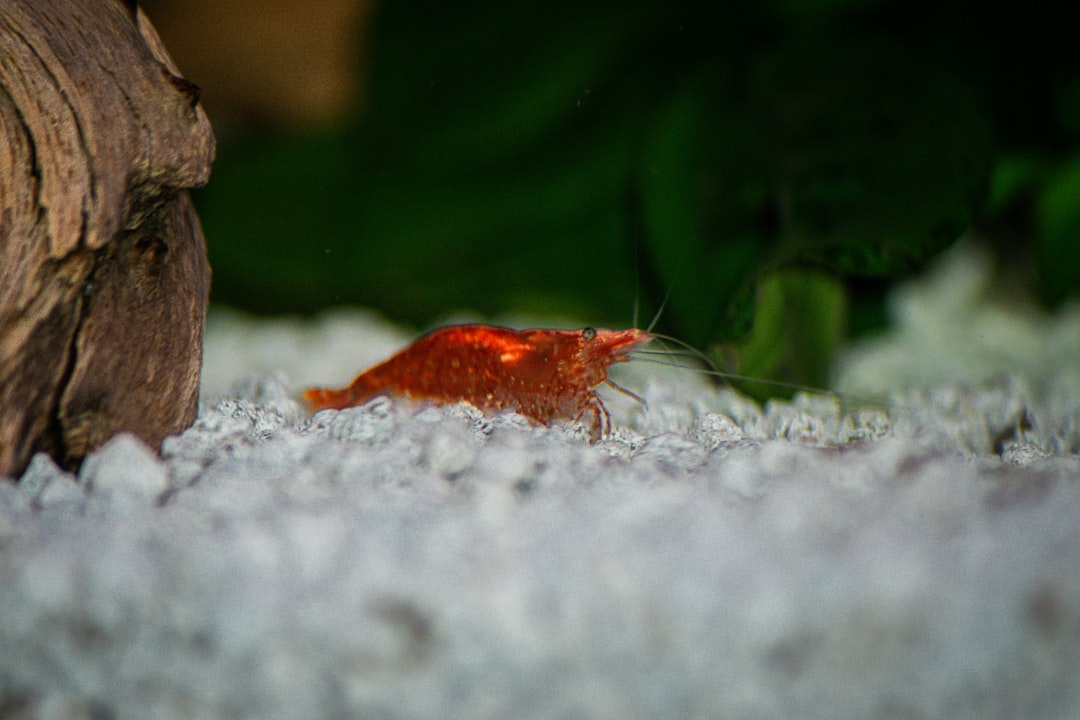
Watching a scarlet-and-white cleaner shrimp set up station on a piece of live rock, antennae waving to attract passing fish, is one of the most fascinating behaviours you will observe in a home reef. Lysmata amboinensis, the Indo-Pacific white-banded cleaner shrimp, performs a genuine symbiotic service by removing parasites and dead tissue from willing fish clients. This cleaner shrimp care guide from Gensou Aquascaping at 5 Everton Park, Singapore draws on over 20 years of reef-keeping expertise to help you house these remarkable invertebrates successfully.
Natural Behaviour and Why It Matters in Captivity
On wild reefs, Lysmata amboinensis occupies dedicated cleaning stations, often at prominent coral heads or ledge overhangs. Fish approach, open their mouths and gill covers, and the shrimp meticulously picks off ectoparasites, mucus and necrotic tissue. This behaviour transfers directly to the home aquarium. Tangs, angelfish and even moray eels will queue up for cleaning sessions. The shrimp benefit from the protein-rich parasites, while the fish gain relief from irritation. Providing a visible, elevated perch in your rockwork encourages the shrimp to establish a recognisable station.
Water Parameters and Tank Size
Cleaner shrimp require stable, well-maintained reef conditions. Target a specific gravity of 1.024-1.026, temperature of 24-27°C, pH of 8.1-8.4, alkalinity of 7-11 dKH and calcium of 400-450 ppm. Singapore’s warm ambient temperatures mean most reef keepers already run chillers or fans to maintain these ranges. A single cleaner shrimp suits tanks as small as 60 litres, but pairs or small groups do well in systems of 150 litres and above. They are territorial only with conspecifics in very cramped quarters.
Acclimation Protocol
Like all ornamental shrimp, L. amboinensis is sensitive to rapid changes in salinity and pH. Drip acclimate for a minimum of 60 minutes, aiming to at least double the bag water volume before transferring the shrimp to your tank. Never pour bag water into your display, as it may contain ammonia, copper traces from medication or unwanted hitchhikers. Temperature matching is straightforward in Singapore — the bag temperature after transit is usually close to ambient — but confirm with a thermometer before releasing.
Feeding Beyond Parasites
In a well-stocked reef, cleaner shrimp supplement their parasite diet with whatever food drifts past. Frozen mysis shrimp, enriched brine shrimp and finely diced prawn are all accepted eagerly. Target feeding with a pipette or turkey baster ensures the shrimp get their share before faster-moving fish intercept everything. Feed two to three times per week in a tank with ample fish; daily in a fish-light setup. Cleaner shrimp are bold feeders and will readily climb onto your hand during maintenance, a charming quirk that never gets old.
Reef Compatibility
This species is fully reef-safe. Reports of coral nipping are extremely rare and typically involve misidentified species. Cleaner shrimp coexist peacefully with corals, other invertebrates, and the vast majority of reef fish. The main threat comes from predatory tankmates: hawkfish, large dottybacks, triggers and lionfish will prey on them. Pairing cleaner shrimp with peppermint shrimp (Lysmata wurdemanni) or fire shrimp (Lysmata debelius) works well, as interspecific aggression among Lysmata species is negligible.
Moulting and Mineral Requirements
Expect moults every three to six weeks. The discarded exoskeleton is often mistaken for a dead shrimp by new hobbyists, so inspect carefully before panicking. Freshly moulted individuals hide for 24-48 hours while their new shell hardens. Maintaining adequate calcium, magnesium (1280-1350 ppm) and iodine supports healthy moult cycles. Failed moults, where the old shell does not separate cleanly, signal mineral deficiency or parameter instability. In Singapore’s soft PUB tap water, regular water changes with quality reef salt mix typically maintain these minerals without additional dosing.
Health Issues and Lifespan
Cleaner shrimp are generally robust, with lifespans of three to five years in well-maintained systems. Copper is lethal even in trace amounts, making copper-based fish medications incompatible with any invertebrate tank. Sudden deaths are most commonly linked to parameter swings, particularly after large water changes or equipment failures. Running a small uninterruptible power supply on your return pump and heater or chiller protects against Singapore’s occasional power fluctuations during storms.
Purchasing and Pricing in Singapore
Cleaner shrimp are readily available at marine fish shops across Singapore, typically priced between $15 and $30 SGD depending on size. Captive-bred specimens are less common than wild-caught but are occasionally offered by local breeders on Carousell. When selecting, look for active individuals with intact antennae, clear eyes and no discolouration on the shell. Avoid lethargic shrimp sitting on the tank bottom, as this often indicates stress or illness. A healthy cleaner shrimp is bold, curious and already waving its antennae at potential clients through the glass.
Related Reading
- Skunk Cleaner Shrimp Care Guide: The Reef Tank Parasite Patrol
- Amano Shrimp Breeding Challenges: Larval Stages and Saltwater Phase
- How to Breed Amano Shrimp: The Challenging but Rewarding Process
- Amano Shrimp Breeding: Why It Is So Difficult and How to Try
- Amano Shrimp vs Cherry Shrimp: Which Is Better for Your Tank?



