
Pristella Tetra Care Guide: X-Ray Fish With Translucent Body and Yellow Fins
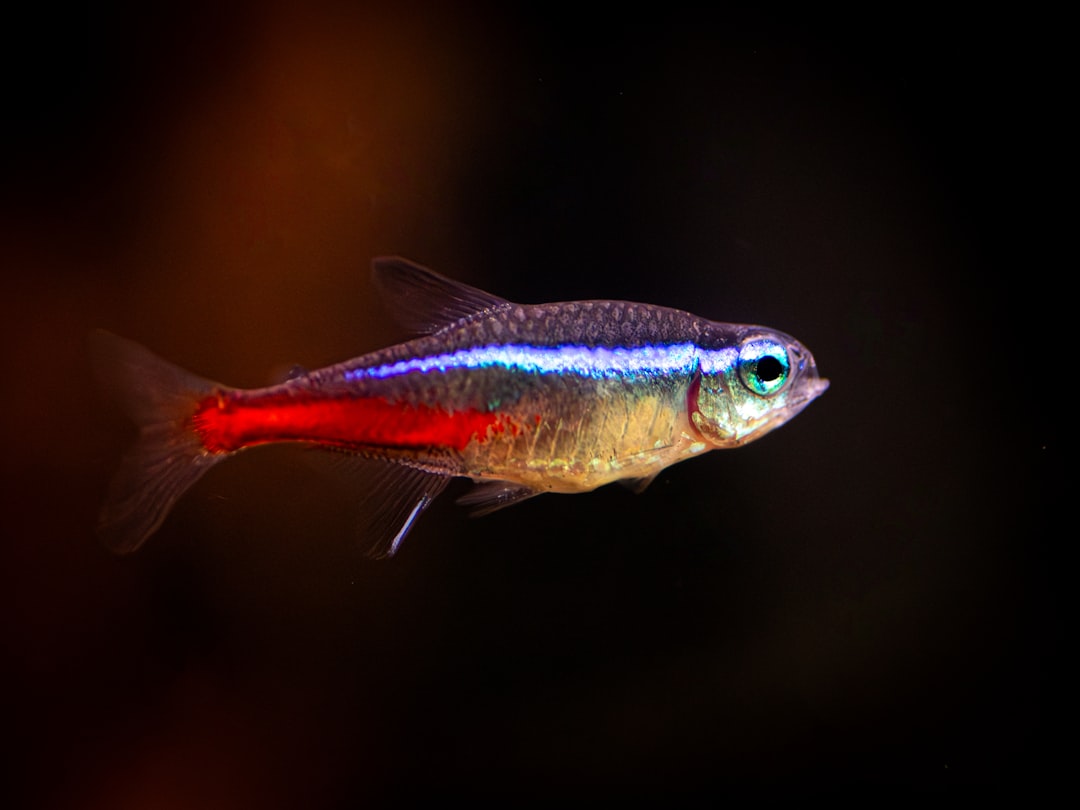
Few freshwater fish offer the visual intrigue of seeing a skeleton through living tissue. The pristella tetra, commonly called the X-ray fish, earns its nickname with a translucent body that reveals its vertebral column and swim bladder under bright lighting. This pristella tetra care guide from Gensou Aquascaping at 5 Everton Park, Singapore covers everything you need to keep Pristella maxillaris thriving in tropical conditions. Hardy, peaceful and subtly beautiful, this species deserves far more attention than it typically receives.
Species Profile and Origin
Pristella maxillaris hails from the coastal rivers and brackish lagoons of Venezuela, Guyana and Brazil. Adults reach around 4 to 5 cm in length, making them suitable for tanks as small as 60 litres. Their semi-transparent body is accented by yellow, black and white banding on the dorsal and anal fins, which becomes more vivid under proper lighting. A gold or albino variant is also available in the hobby, offering warmer tones while retaining the translucent charm.
Tank Setup and Water Parameters
Pristella tetras tolerate a wide range of conditions, which is part of their appeal. Singapore’s PUB tap water, once dechlorinated, sits comfortably within their preferred range of pH 6.0 to 8.0 and GH 2 to 20. Temperature between 24 and 28 degrees Celsius suits them perfectly, and in Singapore’s ambient climate, a heater is rarely necessary. Provide gentle filtration, a dark substrate to enhance their translucency and some floating plants to diffuse overhead light. They appreciate open swimming space in the middle of the water column with planted edges for retreat.
Schooling Behaviour
Keep pristella tetras in groups of at least eight. In smaller groups, they become skittish and spend most of their time hiding behind decor. A proper school produces a mesmerising effect as the fish move in coordinated bursts, their translucent bodies catching the light. They occupy the mid-water zone and rarely bother bottom dwellers or surface fish, making them ideal community members alongside corydoras, small rasboras and dwarf gouramis.
Diet and Feeding
These tetras are unfussy eaters that accept quality flake food, micro pellets and freeze-dried bloodworms without hesitation. Supplement with live or frozen daphnia and baby brine shrimp once or twice a week to maintain fin colouration. Feed small amounts twice daily rather than one large feeding, as their small mouths and fast metabolisms benefit from frequent meals. Overfeeding leads to water quality problems quickly in the modest tank sizes these fish typically inhabit.
Tankmates and Compatibility
Pristella tetras rank among the most peaceful community fish available. They coexist happily with cherry barbs, harlequin rasboras, kuhli loaches and Caridina and Neocaridina shrimp. Avoid housing them with aggressive cichlids or large predatory fish that might view them as food. Their tolerance of slightly brackish conditions also makes them unusual candidates for low-salinity setups with mollies or bumblebee gobies, though this is not required for their health.
Breeding Pristella Tetras
Breeding Pristella maxillaris at home is straightforward. Condition a pair with protein-rich foods for a week, then move them to a separate 30-litre tank with fine-leaved plants or a spawning mop. Slightly acidic water around pH 6.5 and a temperature bump to 27 degrees Celsius triggers spawning. Females scatter 300 to 400 eggs among plants, and the pair should be removed immediately afterwards as they will eat the eggs. Fry hatch in 24 to 36 hours and become free-swimming within three days. Feed infusoria initially, graduating to baby brine shrimp after a week.
Common Health Issues
Their translucent body is actually a diagnostic advantage. Internal parasites, bacterial infections and organ abnormalities are visible earlier in pristella tetras than in opaque species, allowing faster treatment. Watch for white spot disease (ich), which is the most common ailment in newly imported fish. A salt treatment of 1 teaspoon per 10 litres for three days usually clears mild cases. Maintaining stable water quality through regular 25 per cent weekly water changes prevents most problems before they start.
Where to Buy in Singapore
Pristella tetras are available at most local fish shops, typically priced between $1 and $2 each. Shops along Serangoon North Avenue 1 and C328 in Clementi stock them regularly. Buy from tanks where the fish are active and showing clear fin colouration rather than clamped fins or faded colours. Quarantine new arrivals for at least a week before adding them to your display tank. For a fish that costs so little yet offers such visual fascination, the pristella tetra is one of the hobby’s most underrated gems.
Related Reading



