
Plate Coral Care Guide: Fungia and Cycloseris Free-Living LPS
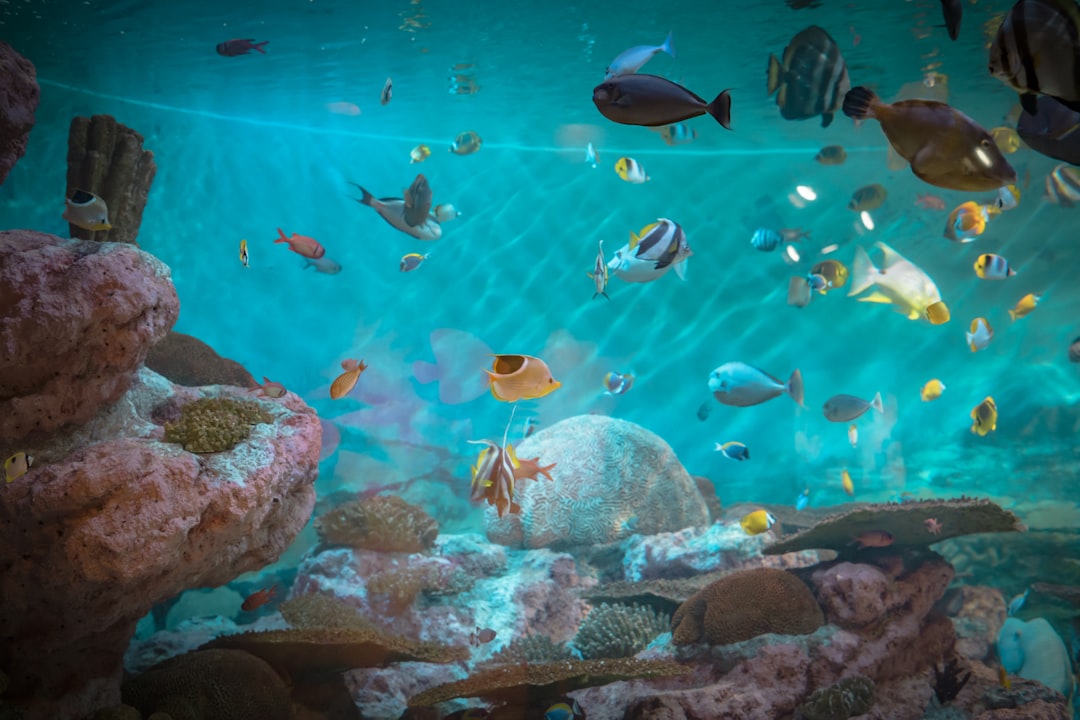
Unlike most corals that attach permanently to rock, plate corals sit freely on the sandbed, capable of inflating their tissue, ejecting sediment and even moving short distances across the substrate. This plate coral care guide from Gensou Aquascaping at 5 Everton Park, Singapore focuses on the genera Fungia and Cycloseris, two closely related groups of solitary, free-living LPS corals that reward attentive care with impressive feeding responses and striking colour patterns.
Species Identification
Fungia species tend to be larger, reaching 15-25 cm across, with prominent radiating septa (skeletal ridges) visible through the tissue. Cycloseris species are typically smaller at 5-10 cm with finer septa and a more domed profile. Both genera are solitary — each disc is a single large polyp, not a colony. Colours range from muted browns and creams to vivid greens, oranges, pinks and multi-colour gradients. Locally, plate corals are regularly available in Singapore reef shops at $15-50 depending on species, size and colour intensity.
Sandbed Placement
Place plate corals directly on a fine sand substrate, never wedged into rockwork. These corals evolved to sit on loose rubble and sand, and forcing them into crevices prevents the tissue inflation they use for self-cleaning and movement. Ensure the substrate beneath is clean fine sand — coarse gravel can abrade the delicate tissue on the coral’s underside. Position them away from rock bases where detritus accumulates, and leave 10-15 cm clearance from neighbouring corals to prevent sweeper tentacle contact at night.
Lighting
Moderate light suits most plate corals. Aim for PAR 80-150 on the sandbed — achievable in most reef tanks without specific adjustment. Bright green and orange morphs often display their most vivid colours under moderate blue-heavy lighting. Excessive PAR above 250 can bleach plate corals, particularly freshly imported specimens that have not acclimated. Start new acquisitions in the lowest-light area of your sandbed and move them gradually over two to three weeks if you want a higher-light position.
Water Flow
Gentle, indirect flow is essential. Plate corals cannot anchor themselves against strong currents and will tumble across the sandbed, suffering tissue damage with each collision against rock or glass. A light surge that keeps detritus from settling on the disc surface without moving the coral itself is the target. If your plate coral consistently drifts into corners or against rocks, reduce nearby flow or create a small sand cradle — a shallow depression that holds the coral in place without restricting tissue inflation.
Feeding
Plate corals are among the most enthusiastic feeders in the LPS category. Their single large mouth can engulf surprisingly large food items — whole frozen mysis shrimp, chopped raw prawn pieces and even small silversides for larger specimens. Feed two to three times per week after lights-out, when feeding tentacles emerge across the disc surface. Use a pipette or turkey baster to place food directly onto the oral disc. The tentacles will grasp and transport the food to the central mouth within minutes. Regular feeding significantly accelerates growth and improves colour intensity.
Movement and Self-Righting
Plate corals can move. By inflating their tissue with water, they generate enough force to shift a few centimetres per day — enough to gradually reposition away from unfavourable conditions or toward better light. If a plate coral flips upside down (from flow, fish activity or a careless tankmate), it can sometimes self-right by inflating one edge. However, leaving a coral inverted for more than 24-48 hours leads to tissue recession on the light-deprived surface. Check your sandbed daily and gently right any flipped specimens by hand.
Common Health Issues
Brown jelly infection targets plate corals aggressively. The bacterial slime typically appears at the tissue margin and spreads inward toward the mouth. Catch it early — remove the coral to a quarantine container, blast off the jelly with a turkey baster, and perform a Lugol’s iodine dip (5 drops per litre for 10-15 minutes). Tissue recession from the skeletal edges without visible infection usually indicates inadequate feeding, excessive light or repeated physical disturbance. Parasitic snails from the genus Drupella occasionally prey on plate coral tissue — inspect the underside and remove any snails by hand.
Long-Term Care
Healthy plate corals grow steadily, adding skeletal diameter and tissue mass over years. They occasionally reproduce by budding — small daughter discs form at the parent’s margin and eventually detach as independent corals. Maintain stable reef parameters with particular attention to calcium and alkalinity, which drive skeletal growth. With proper sandbed placement, regular target feeding and gentle flow, this plate coral care guide should help your Fungia and Cycloseris specimens thrive as centrepiece sandbed inhabitants in your reef system.
Related Reading
- Acropora Coral Care Guide: SPS Basics for Singapore Reefers
- Brain Coral Care Guide: Lobophyllia and Symphyllia in Reef Tanks
- Bubble Coral Care Guide: Plerogyra Sinuosa Feeding and Placement
- Coral Beauty Angelfish Care Guide: Dwarf Angel for Reef Tanks
- Coral Red Pencilfish Care Guide: Crimson Hovering Beauty



