
Crystal Red and Crystal Black Shrimp Care: Caridina Cantonensis Grading and Breeding
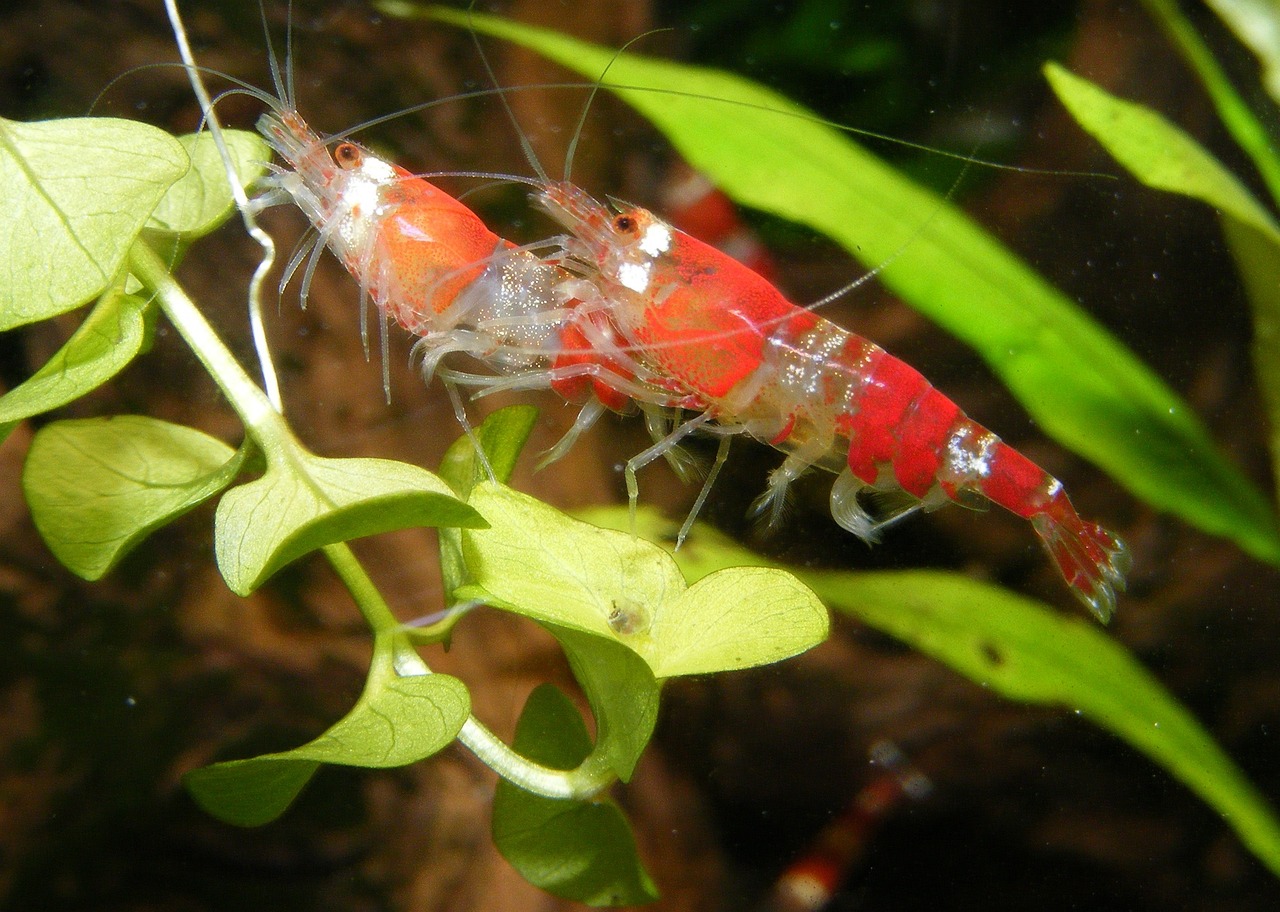
Crystal red and crystal black shrimp sit at the intersection of art and aquaculture. Bred from the wild bee shrimp Caridina cantonensis, these dwarf shrimp display alternating bands of red or black against crisp white, with higher grades commanding premium prices. The pursuit of perfect pattern and opacity has driven a dedicated subculture of breeders, and Singapore has long been one of Asia’s shrimp-keeping hubs. This guide to caridina cantonensis crystal shrimp draws on more than twenty years of invertebrate experience at Gensou Aquascaping, 5 Everton Park, Singapore.
Understanding Crystal Shrimp Grades
Grading determines both the visual quality and market value of crystal shrimp. The standard scale runs from C grade (thin, patchy colour with heavy translucency) through B, A, S, SS, to SSS grade at the top. Within SSS, named patterns such as mosura, crown, and flower head describe the specific distribution of white on the head. A high SSS crystal red with thick, opaque white and vivid red can sell for SGD 30 to SGD 80 or more per shrimp. Lower grades start around SGD 3 to SGD 5.
Crystal black shrimp follow the same grading system but replace red with deep black banding. Some hobbyists prefer crystal blacks for their dramatic contrast, and they carry slightly lower price premiums than reds at equivalent grades.
Water Parameters: The Critical Difference from Neocaridina
Caridina cantonensis crystal shrimp demand softer, more acidic water than Neocaridina. Target pH 5.8 to 6.8, GH 4 to 6, KH 0 to 2, TDS 100 to 180 ppm, and temperature 22 to 26 degrees Celsius. Singapore’s ambient temperature of 28 to 32 degrees is too warm for long-term crystal shrimp health. A chiller or fan system that brings the tank to 24 to 25 degrees is strongly recommended. Some local breeders place tanks in air-conditioned rooms set to 24 degrees, which doubles as a comfortable working environment.
Active buffering substrates such as ADA Amazonia, Tropica Aquarium Soil, or similar products lower pH and soften water, creating the ideal environment. PUB tap water should ideally be filtered through an RO unit, then remineralised with a GH-only product like Salty Shrimp GH+ to achieve the target parameters. Using straight tap water, even dechlorinated, introduces KH that fights the substrate’s buffering capacity and destabilises pH over time.
Tank Setup
A dedicated caridina cantonensis crystal shrimp tank of 20 to 60 litres is standard. Sponge filtration is the safest choice, providing biological filtration and a grazing surface for biofilm. Mature the tank for at least four to six weeks before adding shrimp, allowing the substrate to stabilise and beneficial bacteria to colonise. Stock the tank with moss such as Java moss, Christmas moss, or flame moss, which shelters shrimplets and accumulates biofilm. Bucephalandra and Anubias petite are also suitable. Driftwood and Indian almond leaves add tannins that benefit shrimp health.
Feeding for Health and Colour
Crystal shrimp benefit from a varied diet fed in small quantities. Rotate between high-quality shrimp pellets, powdered biofilm food, blanched spinach, and mineral supplements. Overfeeding is the most common beginner mistake, leading to bacterial blooms, planaria outbreaks, and water quality crashes. Feed every other day in small colonies, and only what is consumed within two hours. Fasting one day per week encourages natural biofilm grazing.
White opacity, a key grading criterion, improves with adequate calcium and mineral intake. Snowflake food, made from soybean shells, doubles as a slow-release food source and calcium supplement. Cuttlebone can be used sparingly, though it raises KH, so monitor parameters if you add it.
Breeding and Selective Improvement
Crystal shrimp breed in freshwater without any special triggers. Females carry 20 to 30 eggs for about 28 to 30 days before releasing fully formed shrimplets. Breeding high-grade offspring requires selective pairing and culling. Keep your best-graded shrimp in a dedicated breeding tank and move lower-grade offspring to a separate colony tank. Over generations, the average grade of the colony improves.
Crossing crystal red with crystal black produces crystal golden bee offspring, which are translucent with faint markings. These are not visually impressive themselves but carry the genetics for both colour lines and are used in advanced breeding projects, including Taiwan bee hybrids.
Common Health Issues
Bacterial infections present as a milky or opaque body and often follow stress events such as temperature spikes or large water changes. Maintain stable conditions and minimise disturbances. Vorticella, a protozoan that appears as white fuzz on the rostrum or legs, responds to salt dips of 1 tablespoon per litre for 30 seconds, followed by a return to clean tank water. Muscular necrosis, visible as white opaque patches in the tail muscle, is usually fatal and indicates severe stress or genetic weakness.
Moulting problems, where shrimp fail to shed their exoskeleton cleanly, commonly result from incorrect GH. Ensure GH remains between 4 and 6 at all times. Singapore breeders who rely on RO water must remineralise every batch consistently, as even small variations compound over time.
Getting Started in Singapore
Begin with A or S grade crystal reds, which are affordable enough to build a colony of 15 to 20 without a major investment. Master water parameters and breeding before investing in SSS-grade stock. The local shrimp community is active, with regular meets and online groups where breeders trade and share advice. Gensou Aquascaping carries crystal shrimp alongside the substrates, remineralisers, and cooling equipment needed to keep them thriving in our tropical climate.
Related Reading
- Caridina Shrimp Care Guide: Crystal Red, Bee and Taiwan Bee
- Caridina vs Neocaridina Shrimp: Water, Care and Breeding Differences
- Crystal Red Shrimp Grading Guide: SSS to C Grade Explained
- Red Cherry Shrimp vs Crystal Red Shrimp: Beginner vs Advanced
- High-Grade Red Crystal Shrimp Care Guide: SSS and Beyond



