
Lake Victoria Cichlid Biotope Guide: Haplochromine Species Setup
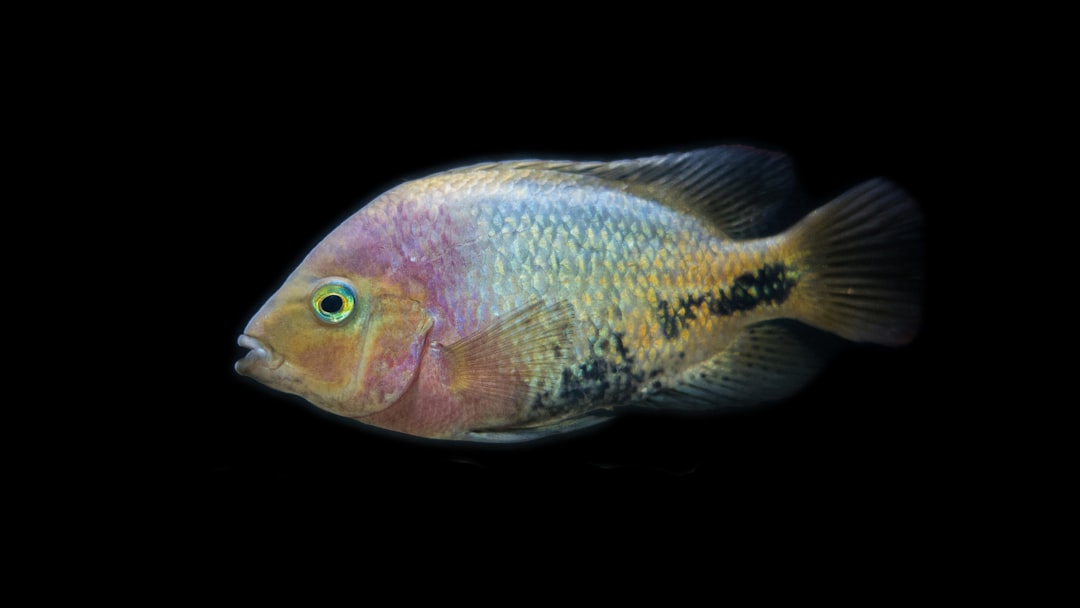
Lake Victoria is the saddest of the great African lakes, an ecosystem that lost hundreds of endemic cichlid species to the introduction of Nile perch in the 1950s. Today, captive populations in the aquarium hobby are often the only reservoir keeping these fish alive. A serious lake victoria cichlid biotope guide is therefore more than aesthetic practice; it is a small conservation act. This guide from Gensou Aquascaping at 5 Everton Park covers the habitat, water parameters, and haplochromine species that make this biotope work in a Singapore setup.
Quick Facts
- Tank size: 120 cm minimum, 150 cm for mixed species groups
- Water: pH 7.8-8.6, GH 8-14, KH 6-10, TDS 250-400 ppm
- Temperature: 24-27 C (chiller recommended in Singapore)
- Substrate: mixed fine sand and small gravel, 4-6 cm deep
- Hardscape: scattered rock piles with open sand and sparse plants
- Stocking: 1 male to 3-4 females per species, usually 2-3 species max
- Source ethically: request F1 or F2 captive-bred stock locally
The Victoria Habitat
Victoria is younger and shallower than Tanganyika or Malawi, averaging 40 metres deep. Its shoreline cycles between rocky outcrops, muddy bays with reeds, and sandy shallows. The haplochromine cichlids that define the lake occupy every niche: rock grazers, open-water zooplanktivores, sand-sifters, piscivores, and even paedophages that eat the fry of mouth-brooding relatives.
Unlike Malawi and Tanganyika, Victoria’s waters carry more suspended particulates and mineral content. Visibility is often a few metres rather than ten or more, which justifies slightly dim lighting in the biotope.
Water Chemistry
Victoria water is hard and alkaline but less extreme than Tanganyika. Aim for pH 8.2, GH 10-12, and KH 7-9. In Singapore, this is achieved by a Malawi/Victoria buffer added at each water change plus aragonite in the substrate for long-term stability.
Ammonia tolerance is low for these fish. Victoria cichlids are known to suffer in over-stocked tanks faster than their Malawi cousins. Keep stocking conservative and weekly water changes at 25-30 percent.
Hardscape and Aquascape
Rockwork should be less dramatic than Malawi Mbuna tanks. Two or three loose piles of rounded boulders, separated by open sand and a sparse gravel zone, look authentic. Use lava rock, Ryuoh, or smooth river stones. Avoid dense cave stacks; Victoria haps prefer boundary spaces more than deep crevices.
A few Vallisneria patches or Ceratophyllum bunches in the back corners suit Victoria’s marshier shoreline habitats. Plants are browsed occasionally but not destroyed by most haplochromines, unlike Mbuna.
Haplochromine Species Selection
Captive-bred Victorians in Singapore tend to arrive via specialist importers; local shops in the Thomson and Serangoon North clusters stock species on and off. Good introductory species include Haplochromis sp. “Kyoga flameback”, Haplochromis sp. “Ruby green”, Astatotilapia latifasciata (the commonly kept “zebra obliquidens”), and Pundamilia nyererei in its various colour morphs.
Stock one to three species, each in a harem of 1 male and 3-4 females. Male-to-male aggression runs hot, so single-male-per-species is the stable approach. Avoid mixing too closely related species; hybridisation is a genuine risk that undermines the conservation angle.
Stocking Density and Behaviour
Victoria haps display best in groups that allow a dominant male to court without constant challenge. Twelve to fifteen fish across three species in a 120 cm tank is a comfortable upper bound. Overcrowding leads to fin nipping and chronic stress rather than the “controlled aggression” sometimes recommended for Mbuna.
Expect mouth-brooding within the first three months if parameters are right. Females carry fry for 14-18 days; strip broods carefully if you want survival rates above 10 percent in a communal setup.
Tank Mates and Dither Fish
Victoria-region catfish are limited, but Synodontis victoriae is the native choice if you can find it. S. lucipinnis and S. petricola from Tanganyika are common substitutes and suit the parameters. A small shoal of Brycinus tetras or even a group of robust rainbowfish can serve as dither in the upper column.
Do not mix Victorian cichlids with Tanganyikan or Malawi cichlids. Although parameters overlap, behaviour differs enough to chronic stress, and hybridisation between Malawi haps and Victorian haps is a documented problem.
Filtration, Oxygenation, and Equipment
Canister filtration at 5-7x turnover handles the load comfortably. Gentle surface movement via a spraybar keeps oxygen at saturation through Singapore’s warm afternoons. A small wavemaker aimed across the rock piles prevents detritus settling in crevices.
Chiller sizing: a 1/10 HP unit holds 300-400 litres at 26 C. Insulate the tank back and sides to reduce cycling costs; this shaves 15-20 percent off monthly electricity in typical HDB conditions.
Feeding and Health
Most haplochromines are omnivores leaning carnivorous or piscivorous. A high-quality cichlid pellet (NLS Cichlid Formula or Hikari Cichlid Excel) as a staple, supplemented with frozen mysis, krill, and the occasional spirulina flake, covers nutritional needs. Avoid heavy bloodworm feeding; bloat is as much a Victorian issue as it is Malawi.
Quarantine new fish strictly. Victorian cichlids arriving through multi-country import chains sometimes carry internal flagellates; a preventive round of metronidazole at quarantine is common practice among serious keepers.
Breeding and Conservation Context
Captive breeding Victorian cichlids is a service to the hobby and to the species. A well-run lake victoria cichlid biotope guide setup readily produces 20-40 fry per brood for many species, and local hobbyist groups often trade F2 and F3 fish. Keeping detailed records of origin stock and generations helps sustain genetic diversity across private collections.
Document species names carefully. Many Victorian haplochromines remain undescribed scientifically and are identified by location tags such as “Kyoga”, “Nawampasa”, or “Python Island”. That provenance is the difference between a biotope and a curiosity.
Related Reading
Lake Victoria Biotope Aquascape
Biotope Aquarium Guide
Aquascape for African Cichlid Tank
Peacock Cichlid Care Guide
How to Set Up Biotope Aquarium Beginners



