
Mekong River Biotope Aquarium Setup: Loaches, Catfish, Barbs
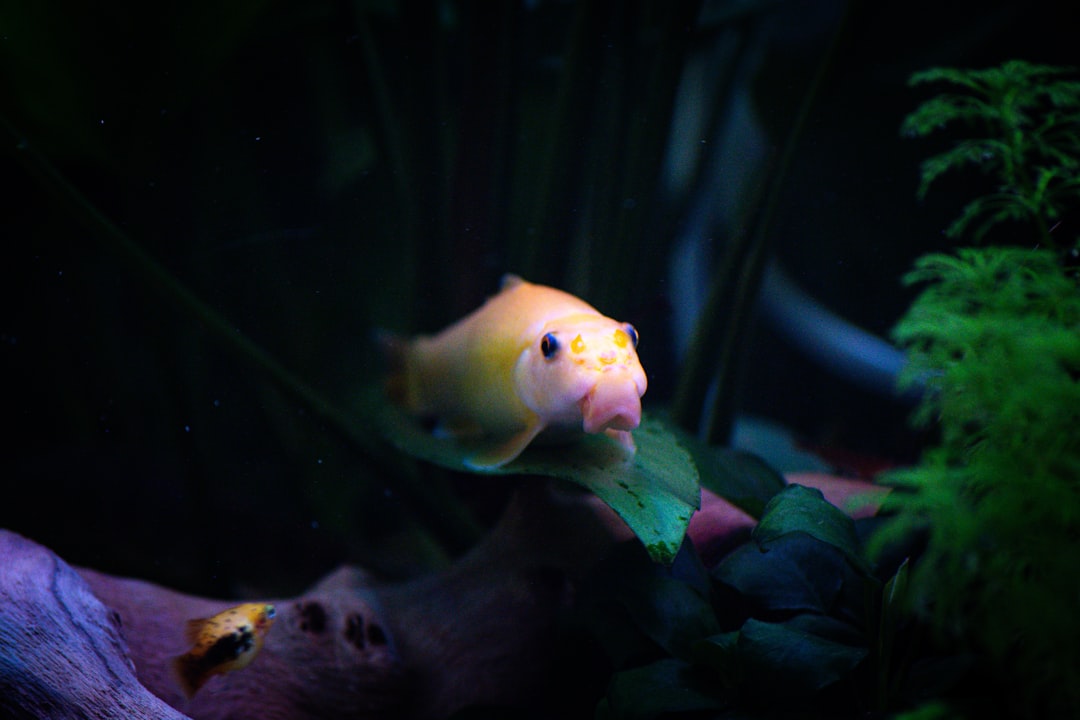
The Mekong runs 4,350 km from the Tibetan plateau to the South China Sea, passing within 1,500 km of Singapore and draining habitats that most hobbyists’ livestock originated from. A well-planned mekong river biotope aquarium setup recreates the clearwater mainstream and its side-channel pools, with sand bars, smooth stones, and weathered driftwood hosting loaches, small catfish, and the colourful barbs of the basin. This guide from Gensou Aquascaping at 5 Everton Park walks through the hardscape, chemistry, and species combinations that deliver an authentic regional feel.
Quick Facts
- Tank size: 120 cm minimum for a loach and barb community
- Water: pH 6.8-7.4, GH 4-8, KH 3-6, TDS 150-250 ppm
- Temperature: 25-27 C (chiller often needed in Singapore)
- Substrate: fine pale sand over a deeper gravel bed along the back
- Hardscape: rounded river stones, scattered driftwood, sparse plants
- Flow: 6-8x turnover, directional to simulate river current
- Stocking: bottom loaches, midwater barbs, a single catfish focal fish
The Mekong as a Habitat
The Mekong is not uniform. Its headwaters are cool and rocky, the middle stretch through Laos and Thailand is warm and sediment-stained, and the delta flattens into slow clay-rich channels. Most aquarium-suited species come from the middle river: clearwater, moderate flow, rocky bottoms interspersed with sand bars and emergent vegetation. That is the biotope to aim for.
Seasonal water level shifts matter to the fish. The wet season flood triggers breeding in many Mekong species, and mimicking this with a cooler 25 percent water change in late year encourages natural behaviour.
Water Chemistry
Singapore tap is softer than the Mekong’s mineral-rich middle channel. A small amount of crushed coral in the filter or a pinch of Seachem Equilibrium per water change bumps GH to 6-8 and stabilises KH at 4-5. Target pH 7.0-7.2 as the working range.
Avoid over-acidifying with catappa or peat; this is a clearwater biotope. One or two leaves for biofilm are acceptable, but heavy tannins push the aesthetic away from the Mekong toward the Amazon.
Hardscape and Substrate
Use fine tan or pale grey sand as the base, with a gravel zone of 2-4 mm river stones along the back wall and around driftwood pieces. Scatter rounded cobbles (not Seiryu or Ohko) across the tank to suggest a shallow river bed. Driftwood should be mangrove-style or spider wood angled low to the substrate, never towering vertically.
Plants are sparse in the Mekong mainstream. A few Cryptocoryne species (native to the region), Hygrophila polysperma, and Limnophila aromatica fit the biotope. Avoid lush carpets; the authentic look is open sand with emergent stems in corners.
Loach Species for the Biotope
Several loach species native or near-native to the Mekong work well. Pangio kuhlii (kuhli loach) lives in the side channels and leaf-litter zones; a group of 8-10 settles readily into sand. Yasuhikotakia modesta (redtail botia) is a Mekong endemic that colours up superbly in clear water, though it reaches 20 cm and can harass smaller loaches.
Ambastaia sidthimunki (dwarf chain loach) is technically from the Chao Phraya-Mekong basin border and fits a 120 cm tank nicely in a group of 6. Botia histrionica provides a boldly banded mid-sized option at 12-15 cm.
Catfish and Bottom Dwellers
Real Mekong catfish run enormous (Pangasius species reach 3 m), so biotope-scale alternatives matter. Pseudomystus siamensis (bumblebee catfish) stays under 15 cm, is nocturnal, and fits the sandy substrate feel. Glyptothorax hillstream catfish suit the faster-flow end of the tank if oxygen stays high.
Hillstream loaches (Gastromyzon, Sewellia lineolata) are technically more southern Chinese or Vietnamese, but the Mekong’s upper reaches border their range and most biotope judges accept them in mixed setups.
Barbs and Midwater Fish
Midwater action comes from the regional barbs. Puntius denisonii (roseline shark) is an Indian species frequently substituted; for true Mekong fidelity choose Systomus rubripinnis (redfin tinfoil barb) at small size, Puntigrus tetrazona (tiger barb, native to the southern basin tributaries), or the delicate Rasbora trilineata (scissortail).
A shoal of 12-15 tiger barbs plus 8-10 scissortails fills the midwater, dithers for loaches, and contrasts nicely with the pale substrate. Skip aggressive community fish; the Mekong species share water but space themselves vertically.
Flow, Filtration, and Oxygen
Aim for directional flow the length of the tank. A canister at 6-8x turnover with the return on one end and overflow on the other creates the sheeting current these fish prefer. Loaches congregate in the lee of rocks; barbs shoal into the current.
Dissolved oxygen matters for hillstream species. A small airstone overnight and surface agitation through the spraybar covers Singapore’s warm overnight periods. A chiller set to 26 C keeps temperature from spiking in mid-afternoon heat.
Feeding and Long-Term Care
The Mekong species are omnivores. Sinking wafers and micro pellets (Hikari Sinking Wafers, Dennerle Loach Menu) handle the loaches, while flake and floating micro pellets cover the barbs. Frozen bloodworm twice weekly conditions loaches for breeding and keeps body condition high.
A well-run mekong river biotope aquarium setup rewards patience. Loaches are long-lived fish; Yasuhikotakia and botias commonly hit 15-20 years with stable parameters. Budget an LED with a warm-white bias and a small amount of evening blue moonlight to enjoy their nocturnal activity.
Related Reading
Kuhli Loach Care Guide
Dwarf Chain Loach Care Guide
Tiger Barb Care Guide
Hillstream Loach Care Guide
Aquascape for Loach Tank
Once your Mekong River setup is running, you can refine the look further by studying our Mekong delta biotope aquascape for region-accurate hardscape and planting ideas.



