
Tuxedo Urchin Mespilia Care Guide: Reef-Safe Grazer
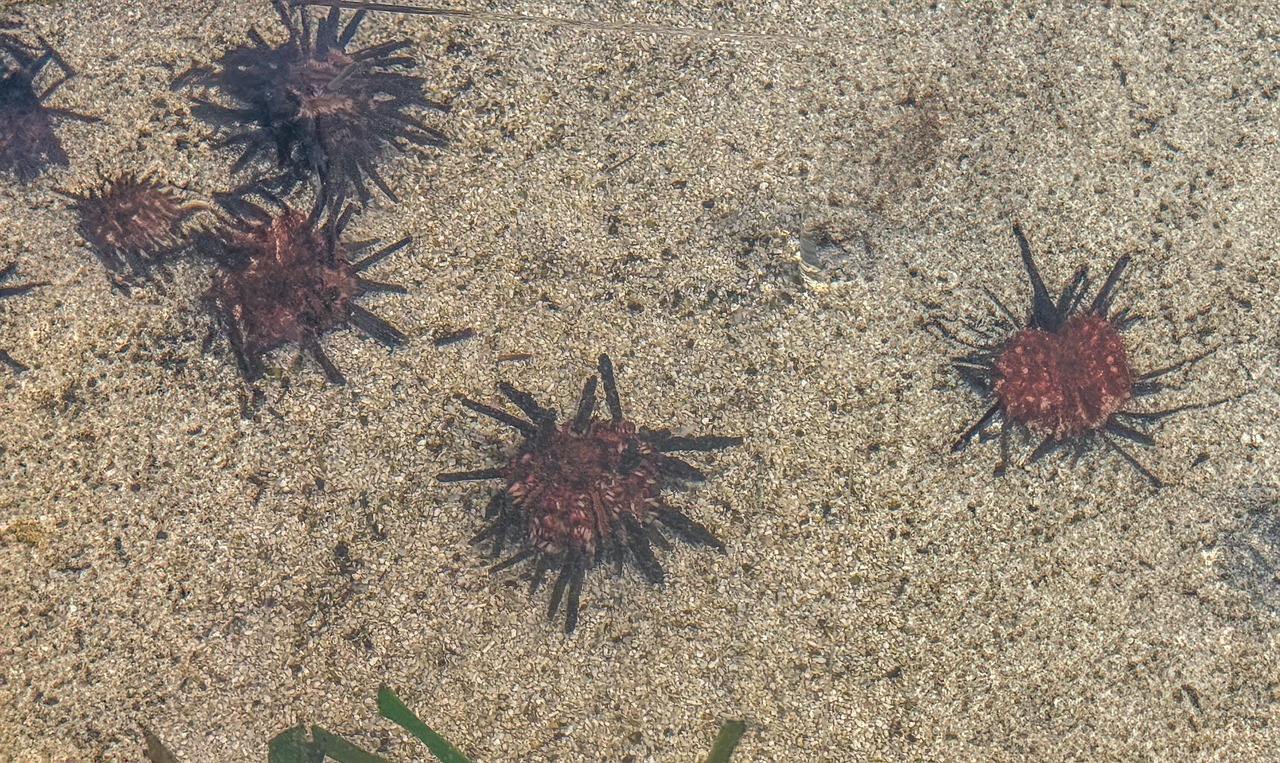
The tuxedo urchin has quietly become the cleanup-crew addition most reef clients ask for by name once they see one in a mature display. This tuxedo urchin mespilia care guide from Gensou Aquascaping at 5 Everton Park is built from observations of twenty-plus Mespilia globulus specimens across client reefs and our own shop display tank. They are hardier, more attractive and more tightly reef-safe than most urchins imported through Singapore, and they make a genuinely useful grazer in the right setup.
Species Identification
Mespilia globulus, the tuxedo urchin, shows banded blue or red vertical stripes on a black body with short purple spines arranged between the stripes. It rarely exceeds 8 cm in diameter in captivity. Do not confuse it with the larger, more aggressive Echinometra rock-boring urchins or the long-spined Diadema, which is dangerous to handle. Tuxedos are distinctly small, neat and strikingly coloured.
Tank Size and Setup
A minimum of 80 litres is the sensible floor for a single tuxedo, though they do best in 120 litre and larger reefs with mature rockwork and natural algal film to graze on. Immature tanks under three months old simply do not produce enough microfauna and film algae to sustain the urchin, and you will see it thinning within weeks. Our reef tank maturation stages guide explains why the three-to-six-month window is critical.
Diet and Grazing Behaviour
Tuxedos graze continuously on film algae, diatoms and coralline overgrowth. In a well-established reef they find adequate food without supplementation. In newer tanks, offer nori sheets wedged into rockwork twice weekly and monitor body condition. An underfed tuxedo shows a visibly flattened profile and begins carrying small shell fragments or coral rubble on its upper surface — a natural protective behaviour but also a hunger signal.
Reef Safety and What Gets Eaten
Unlike many urchin species, tuxedos rarely bulldoze coral frags or knock over aquascape rockwork. They move slowly, climb cleanly, and prefer low-resistance flat surfaces. That said, a hungry tuxedo will rasp soft coral tissue if algae runs out, and we have seen a few instances of tuxedos stripping coralline algae from fresh frag plugs. For high-value SPS reefs, keep a close eye on grazing patterns and supplement feeding proactively.
Water Parameters and Stability
Standard reef parameters apply: temperature 25 to 26 degrees (Singapore ambient demands a proper reef chiller to hold this), salinity 1.025, calcium 420 to 440 ppm, alkalinity 8 to 9 dKH, nitrate 5 to 10 ppm. Tuxedos are sensitive to copper and will die within hours of exposure, so a reef that has ever been treated with copper-based medications must be thoroughly remediated before introducing any urchin.
Acclimation Protocol
Drip acclimate over two to three hours at roughly two drops per second; urchins cannot tolerate abrupt salinity or temperature shifts. Avoid exposure to air during transfer — always keep the urchin submerged in a plastic container during the move from bag to quarantine. Our drip method acclimation protocol applies here with the addition that urchins should be placed on a solid surface immediately after transfer.
Tankmate Compatibility
Tuxedos live peacefully with most reef fish and invertebrates. Triggerfish, large angels and pufferfish will eat them; these tankmates are incompatible. Cleaner shrimp, peppermint shrimp and hermit crabs coexist without issue. A mature reef cleanup crew pairs tuxedos with nassarius snails and turbo snails effectively; each occupies a slightly different grazing niche.
Singapore Availability and Pricing
Tuxedo urchins enter Singapore through Vietnamese and Indonesian import channels, with Reef Depot and Pasir Ris Farmway vendors the most consistent sources. Expect $25 to $45 per specimen for healthy 4 to 6 cm individuals. Grey-market Shopee stock exists but arrives unquarantined and often stressed; the modest premium for shop-sourced stock is worth paying. Our marine cleanup crew stocking guide slots tuxedos into the broader CUC plan.
Common Mistakes and Troubleshooting
The most frequent issue we see is tuxedo death within four weeks of introduction to a young reef lacking sufficient microfauna. Second is gradual starvation in a reef where the urchin arrives after the cleanup crew has already cleared the system to spotless condition. Third is toxicity from residual copper or from freshly added live rock that leached metals. Carefully stage additions and feed strategically during the first month to get the urchin established.
Long-Term Expectations
A well-housed tuxedo typically lives three to four years in captivity. Signs of a healthy specimen include consistent spine colour, steady grazing activity, and the habit of carrying small debris on the dorsal surface — a natural behaviour, not a problem. For a mature 120 litre or larger reef, a pair of tuxedos is our recommended cleanup crew addition that delivers both utility and visual interest.
Related Reading



