
Cherry Barb Complete Care Guide: Puntius titteya
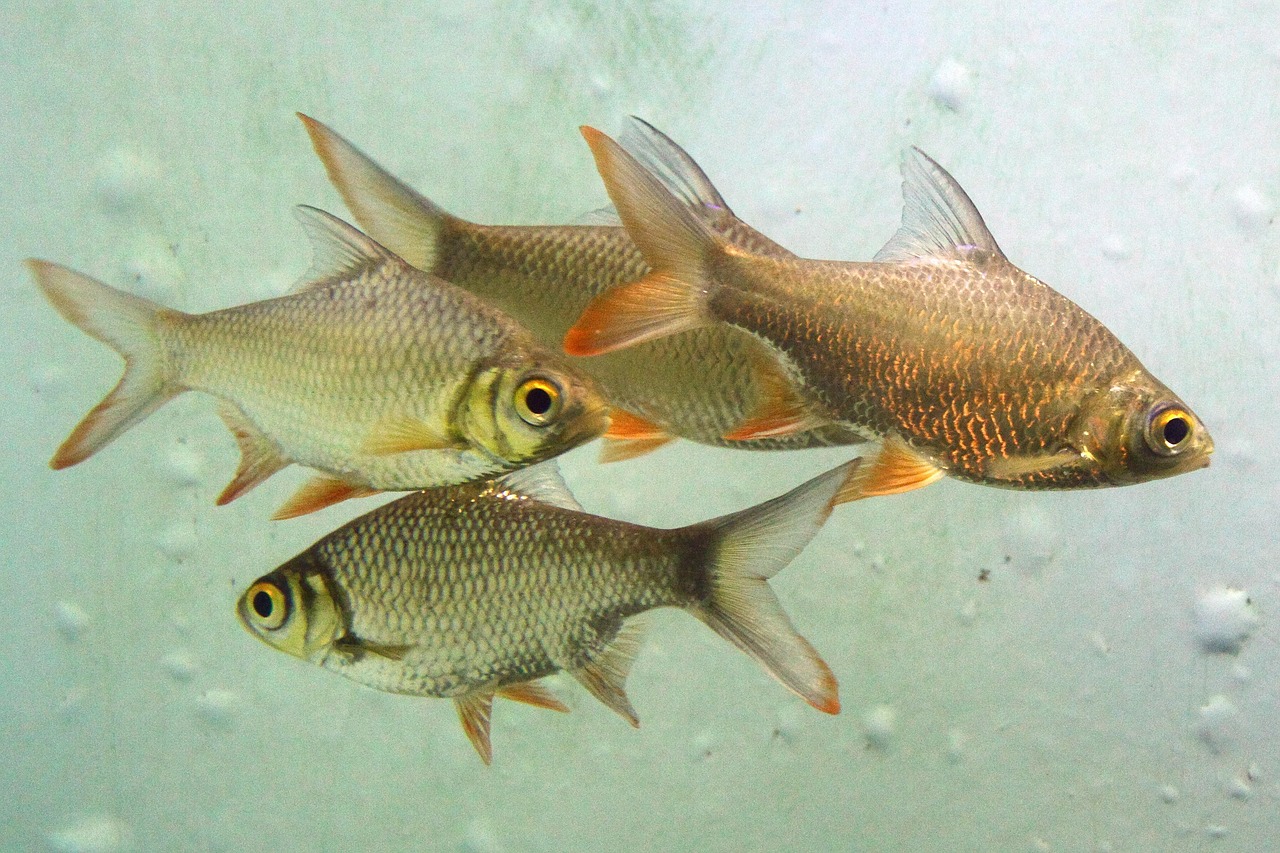
Cherry barbs do not deserve the fin-nipper reputation that drags every barb into the same bucket. Puntius titteya is genuinely peaceful, colour-intense when mature males display and one of the easiest beginner schooling fish to succeed with in Singapore water. This cherry barb complete care guide from Gensou Aquascaping at 5 Everton Park sets out tank size, sex ratio, planted tank pairings and sourcing so you get the best of the species. A planted nano or community sits comfortably in a setup from the aquarium tanks range.
Appearance and Sexing
Cherry barbs max out at 4-5 cm. Mature males flush deep red across the flanks, especially during courtship or territorial displays. Females and juveniles wear a warmer tan-brown tone with a faint horizontal stripe. The sex ratio matters — stock two females per male so rival-male chasing stays diffuse. An all-male tank turns mediocre; a female-heavy group brings out the best display colour.
Tank Size and Schooling
A school of 8-10 cherry barbs needs 60-75 litres with a 60 cm footprint minimum. Smaller schools below six lose their shoaling behaviour and become skittish. Ten or twelve is the sweet spot and the colour density of a mature group in a planted tank is hard to beat at this price point. Longer tanks suit them more than tall tanks — they are cruisers, not vertical fish.
Water Parameters
Target 23-28°C, pH 6.0-7.5, GH 2-10, KH 1-6, ammonia and nitrite zero, nitrate under 30 ppm. Singapore PUB tap water matches the range naturally after dechlorination with Seachem Prime. Cherry barbs from Sri Lankan origin tolerate slightly acidic water well, and farm-bred stock adapts to anything within the band. Weekly 25% water changes keep colour vivid.
Planted Tank Compatibility
Cherry barbs are one of the most plant-safe schooling fish available — they do not dig substrate, do not uproot stems and do not nibble leaves. They look exceptional against green carpets, dense Ludwigia reds and red cherry backdrops like Alternanthera reineckii. The contrast between mature male flank colour and lush green plants is a staple of Dutch-style aquascapes. Stock the live plants catalogue before adding fish.
Tank Mates
Chili rasbora, ember tetra, harlequin rasbora, dwarf cory, sterbai cory, bristlenose pleco, dwarf shrimp, Amano shrimp and peaceful dwarf cichlids like Bolivian ram all pair well. Avoid fin-nippers in reverse — serpae tetras and tiger barbs can outcompete and harass cherries. Cherry barbs themselves pose no fin-nipping risk to long-finned fish like male bettas or fancy guppies when well-fed and in proper schools.
Feeding
Flake, micro-pellets, frozen daphnia, frozen bloodworm and live brine shrimp form a varied diet. Cherry barbs are enthusiastic surface feeders but also accept sinking food during training. Twice daily in small amounts prevents overfeeding. Colour-enhancing feed with natural astaxanthin deepens male red tones over weeks. The fish food catalogue stocks suitable options.
Conservation Note
Wild cherry barb populations in Sri Lanka are threatened by habitat loss, and the species is listed as Vulnerable on the IUCN Red List. Virtually all stock in Singapore today is captive-bred from Southeast Asian farms, which removes pressure on wild populations. Buy farm-bred rather than wild-caught when the distinction is noted on the tank label.
Breeding Behaviour
Cherry barbs are egg scatterers that spawn readily in a well-planted tank. Parents do not guard eggs and will eat them given the chance. A dedicated breeding tank with java moss and a spawning mop, softer water and a temperature bump to 27°C triggers spawns. Fry are tiny — feed infusoria and microworms for the first week. Singapore breeders on Carousell occasionally list young fry stock.
Sourcing in Singapore
Cherry barbs are stocked year-round at Y618 Serangoon, C328 Clementi, Nature Pet and most neighbourhood LFS. Expect SGD 2-4 per juvenile. Buy at least 8-10 at a similar size and check for finnage damage from shipping before accepting the bag. Quarantine is optional for farmed stock but recommended if mixing sources.
Long-Term Success
With stable water and good diet, cherry barbs live 5-7 years. They are among the rare schooling fish where male colour intensifies with age rather than fading, and a 3-year-old group outshines freshly stocked juveniles. The cherry barb complete care guide really comes down to enough fish, enough plants, and enough time.
Related Reading



