
Nerite Snail Care Guide: Best Algae-Eating Snail for Aquariums
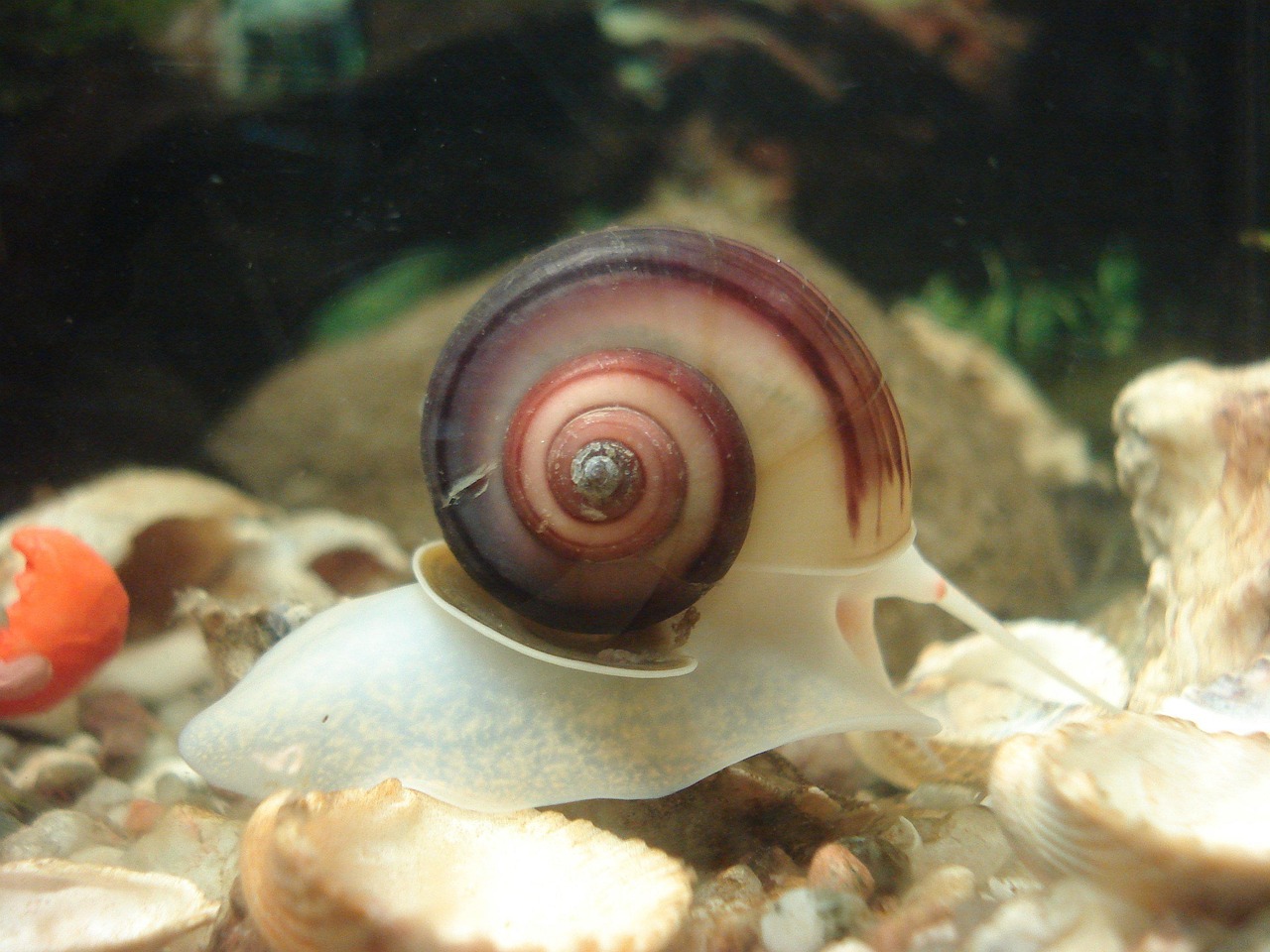
If you have ever struggled with algae in your aquarium, chances are someone has recommended nerite snails. These small, beautifully patterned snails are widely considered the single best algae-eating invertebrate available to freshwater aquarists. They consume a remarkable variety of algae types, they are completely plant-safe, they cannot overrun your tank with babies, and they work tirelessly around the clock. This nerite snail care guide covers everything from species selection to the one issue that frustrates some keepers — those persistent white eggs. This guide sits inside our broader Freshwater Aquarium Complete Beginner Hub reference.
Species and Patterns
Nerite snails come in a stunning variety of shell patterns and colours. Several species and pattern morphs are commonly available in Singapore’s aquarium shops.
| Type | Shell Pattern | Size | Notes |
|---|---|---|---|
| Zebra Nerite | Black and gold/yellow stripes | 2 – 3 cm | Most popular and widely available |
| Tiger Nerite | Dark amber with black jagged stripes | 2 – 3 cm | Similar to zebra but more irregular pattern |
| Horned Nerite | Dark with protruding horn-like spines | 1.5 – 2 cm | Smaller; the horns are purely decorative |
| Olive Nerite | Smooth olive-green to dark brown | 1.5 – 2 cm | More subtle appearance; excellent grazer |
| Red Racer Nerite | Reddish-brown with fine dark lines | 2 – 2.5 cm | Striking; somewhat less common |
| Batik Nerite | Complex maze-like pattern | 2 – 2.5 cm | Beautiful and variable; each shell is unique |
Every nerite snail has a unique shell pattern — no two are exactly alike, even within the same type. This individuality adds character to your tank. Many aquarists collect different varieties, creating a diverse and visually interesting clean-up crew.
Algae-Eating Abilities
Nerite snails are exceptional algae eaters — arguably the most effective in the freshwater hobby. Their rasping mouthpart (radula) is remarkably effective at removing various algae types from hard surfaces.
Algae Types Nerites Eat
- Green spot algae (GSA): This is where nerites truly excel. They are one of the very few creatures that effectively remove the hard, encrusting green spots that form on glass, rocks and slow-growing plant leaves like Anubias
- Diatoms (brown algae): Consumed eagerly and efficiently
- Soft green algae: Films on glass, equipment and hardscape
- Green dust algae (GDA): Cleaned from glass surfaces
- Some forms of cyanobacteria (blue-green algae): Partially consumed
Algae Types Nerites Struggle With
- Black beard algae (BBA): Generally ignored
- Staghorn algae: Not effectively consumed
- Long hair algae: May graze on it but will not eliminate it
For comprehensive algae management in a planted tank, combine nerite snails with otocinclus catfish (for soft algae on plant leaves) and Amano shrimp (for hair algae and detritus). This trio forms the most effective biological algae control team available.
Stocking Density
A general guideline is one nerite snail per 15 to 20 litres of tank volume. A 60-litre tank would do well with 3 to 4 nerites. Overstocking with nerites is counterproductive — they will consume the available algae too quickly and then struggle to find enough food, requiring supplementary feeding.
Water Parameters
Nerite snails are adaptable creatures, but they have some specific requirements — particularly regarding hardness and mineral content.
| Parameter | Ideal Range | Notes |
|---|---|---|
| Temperature | 22 – 30 °C | Excellent for Singapore |
| pH | 7.0 – 8.5 | Neutral to alkaline preferred; acidic water erodes shells |
| GH | 8 – 20 dGH | Harder water essential for shell health |
| KH | 4 – 15 dKH | Buffering capacity protects against pH drops |
| Ammonia / Nitrite | 0 ppm | Standard requirement |
| Nitrate | Below 30 ppm | Reasonably tolerant |
Here is an important consideration for aquarists keeping nerite snails alongside soft-water fish: nerites need mineral-rich, neutral to alkaline water for healthy shells, while species like cardinal tetras and chili rasboras prefer soft, acidic conditions. In very soft, acidic tanks (pH below 6.5, GH below 5), nerite shells will gradually erode and pit, shortening the snail’s lifespan. In these setups, consider alternative algae eaters or maintain the water at a moderate compromise.
Singapore’s PUB tap water, with its moderate hardness and near-neutral to slightly alkaline pH, is actually quite well suited to nerite snails. After dechlorination, it provides good mineral content for shell maintenance.
Feeding
In a tank with moderate algae growth, nerite snails may not need supplementary feeding at all — they will find enough to eat by grazing continuously on surfaces. However, in very clean tanks or with too many nerites, supplementary food becomes necessary.
Supplementary Foods
- Algae wafers: Break into small pieces and place near the snails. Best offered at night when nerites are most active
- Blanched vegetables: Courgette (zucchini), cucumber, spinach — weigh down with a clip and remove after 24 hours
- Calcium-rich foods: Cuttlebone fragments placed in the tank slowly dissolve, providing calcium for shell maintenance and a grazing surface
Signs of Adequate Feeding
Well-fed nerites are active, moving steadily across surfaces and leaving clean trails in their wake. Underfed nerites become sluggish, may retract into their shells for extended periods, or attempt to climb out of the tank — escapism is a classic sign of a hungry or stressed nerite.
Shell Health and Calcium
Shell health is the most important aspect of long-term nerite snail care. A healthy nerite has a smooth, intact shell with vivid patterning. Shell deterioration — pitting, thinning, white patches or erosion of the pattern — indicates insufficient calcium or water that is too acidic.
Maintaining Healthy Shells
- Water hardness: Maintain GH above 8 dGH. The minerals in hard water provide the calcium and magnesium nerites need for shell maintenance
- pH stability: Keep pH above 7.0. Acidic water literally dissolves calcium carbonate from the shell
- Calcium supplementation: Place a small piece of cuttlebone (available from pet shops — sold for birds) in the tank. It slowly dissolves, raising calcium levels. Alternatively, use a dedicated calcium supplement designed for aquarium invertebrates
- Mineral stones: Montmorillonite clay or mineral supplement stones provide trace minerals beneficial to shell health
Shells that have already eroded will not regenerate the lost portions, but maintaining good conditions prevents further deterioration. New shell growth at the aperture (opening) will be healthy even if older portions show damage.
Why They Cannot Breed in Freshwater
This is one of nerite snails’ greatest advantages for freshwater aquarists: they cannot reproduce in your tank. Unlike pest snails such as Malaysian trumpet snails or bladder snails, nerites will not overrun your aquarium with an exponentially growing population.
The Biology
Nerite snails lay eggs in freshwater, but the larvae (veligers) require brackish or full marine conditions to develop. In freshwater, the larvae cannot complete their development and perish. This means that while you may see eggs deposited around your tank (see the section below), they will never hatch into baby snails in a standard freshwater aquarium.
This biological quirk makes nerites the ideal algae-eating snail: you get all the cleaning benefits with zero population explosion risk. You control the exact number of snails in your tank — the population only changes when you add or lose individuals.
The White Egg Problem
There is one aspect of nerite snail care that frustrates some aquarists: the eggs. Female nerites (and you cannot easily tell males from females) deposit small, hard, white egg capsules on hard surfaces throughout the tank — on glass, driftwood, rocks, filter equipment, heaters and even other snail shells.
What the Eggs Look Like
Nerite eggs are tiny (about 1-2 mm), white or cream-coloured, and extremely hard. They look like small sesame seeds glued firmly to surfaces. Once deposited, they are notoriously difficult to remove — scraping with a razor blade works on glass, but on porous surfaces like driftwood and rock, they are nearly impossible to fully eliminate without damaging the hardscape.
Managing the Egg Issue
- Accept them: Many aquarists learn to live with the eggs. They do not affect water quality and eventually disintegrate, though this can take weeks to months
- Keep only males: The most effective prevention. Unfortunately, sexing nerites is difficult — males tend to be slightly smaller with a less rounded shell aperture, but this is unreliable. Some experienced hobbyists can sex them, but for most it is guesswork
- Razor blade cleaning: Regularly scrape eggs from glass surfaces during routine maintenance. A razor blade or algae scraper works well on glass; acrylic tanks require a softer tool to avoid scratching
- Fewer snails: Fewer females means fewer eggs. One or two nerites in a tank produce a manageable number of eggs; five or six can wallpaper every surface
While the egg issue is the most commonly cited drawback of nerite snails, most aquarists agree that their algae-eating prowess far outweighs this cosmetic annoyance.
Tank Mates
Nerite snails are peaceful, slow-moving invertebrates that coexist safely with virtually any non-predatory aquarium inhabitant.
Compatible Tank Mates
- All peaceful community fish — tetras, rasboras, livebearers, corydoras, otocinclus
- Shrimp — cherry shrimp, Amano shrimp, crystal shrimp
- Other snails — mystery snails, Malaysian trumpet snails
- Bettas — generally safe, though some bettas may show initial curiosity
Avoid
- Loaches: Many loach species (clown loaches, yo-yo loaches, dwarf chain loaches) are snail predators and will attack or eat nerites
- Pufferfish: All puffers eat snails — nerites will be a meal, not a tank mate
- Large aggressive cichlids: May damage or harass snails
- Assassin snails: As their name suggests, they prey on other snails. While nerites’ operculums (trap doors) offer some protection, persistent assassin snails can still kill them
General Care Tips
Acclimation
Nerite snails should be drip acclimated over 30 to 60 minutes when introduced to a new tank. Sudden changes in pH or hardness can send them into a stressed state where they remain retracted in their shell for days. Patient acclimation prevents this.
Escape Artists
Nerite snails are notorious escape artists. They will climb above the waterline and, if given the opportunity, right out of the tank. A tight-fitting lid is essential. If you find a nerite on the floor, return it to the tank immediately — they can survive brief periods out of water but will desiccate quickly in Singapore’s warm, air-conditioned environments.
Escape attempts are often triggered by poor water quality, insufficient food, or sudden parameter changes. If a nerite that was previously content starts trying to escape, treat it as a signal to check your water parameters.
Lifespan
With proper care, nerite snails live 2 to 5 years. The main factors affecting longevity are water hardness (sufficient calcium is critical), pH stability, and food availability. Nerites in very soft, acidic water rarely survive beyond a year due to progressive shell erosion.
Right-Side Up
Nerite snails that end up on their backs (which happens when they fall from glass or decorations) may struggle to right themselves, especially on smooth surfaces. If you notice a nerite upside down, gently flip it over. Prolonged time on its back can be stressful and, in the worst case, fatal if the snail cannot access food or water circulation around its body is restricted.
For aquarists who want professional guidance on building an effective algae management strategy, Gensou’s aquarium maintenance service can assess your specific algae challenges and recommend the right combination of biological controls and maintenance practices.
Frequently Asked Questions
How many nerite snails do I need?
A general guideline is one nerite per 15 to 20 litres. For a standard 60-litre planted tank, 3 to 4 nerites provide excellent algae control without exhausting the food supply too quickly. Overstocking leads to underfed snails that become inactive, attempt to escape, or slowly starve. Start with fewer and add more if algae persists.
Will nerite snails eat my plants?
No. Nerite snails do not consume healthy plant tissue. They eat the algae growing on plant surfaces, effectively cleaning the leaves without causing any damage. This makes them safe for even the most delicate aquatic plants. You may occasionally see a nerite grazing on a decaying leaf — they are consuming the decomposing matter and associated biofilm, not attacking a healthy plant.
Why is my nerite snail not moving?
An inactive nerite may be resting (they do sleep for extended periods, sometimes days at a time), stressed from poor water conditions, or in the worst case, deceased. To check, gently lift the snail from the water — a living nerite will retract slightly or resist being detached from the surface. A dead nerite will either fall loosely from its shell or produce a distinctly foul odour. If your nerite has been motionless for more than three days, investigate. Check water parameters, particularly pH and hardness, and ensure food is available.
Can nerite snails live with shrimp?
Absolutely. Nerite snails and shrimp are a classic combination in planted and nano aquariums. They occupy different ecological niches — nerites focus on hard surface algae, while shrimp target detritus, biofilm and hair algae. There is no aggression or meaningful competition between them. Cherry shrimp, Amano shrimp and crystal shrimp all coexist peacefully with nerite snails. Together with otocinclus catfish, they form the ultimate clean-up crew for planted aquariums.
Whether you need help selecting the right algae-eating team for your aquarium or want a complete custom-designed planted tank, Gensou has the expertise to create and maintain stunning aquatic displays tailored to Singapore’s conditions. Contact us to discuss your aquarium needs.
Related Reading
- Horned Nerite Snail Care Guide: Spiky Shells and Clean Glass
- Why Nerite Snails Won’t Breed in Freshwater: The Full Explanation
- Nerite Snail Species Comparison: Zebra, Tiger, Horned and Olive
- Nerite Snail vs Mystery Snail: Algae Eating, Size and Breeding
- Olive Nerite Snail Care Guide: Classic Dark Shell Workhorse



