
Red Line Torpedo Barb Care Guide: Speed and Colour
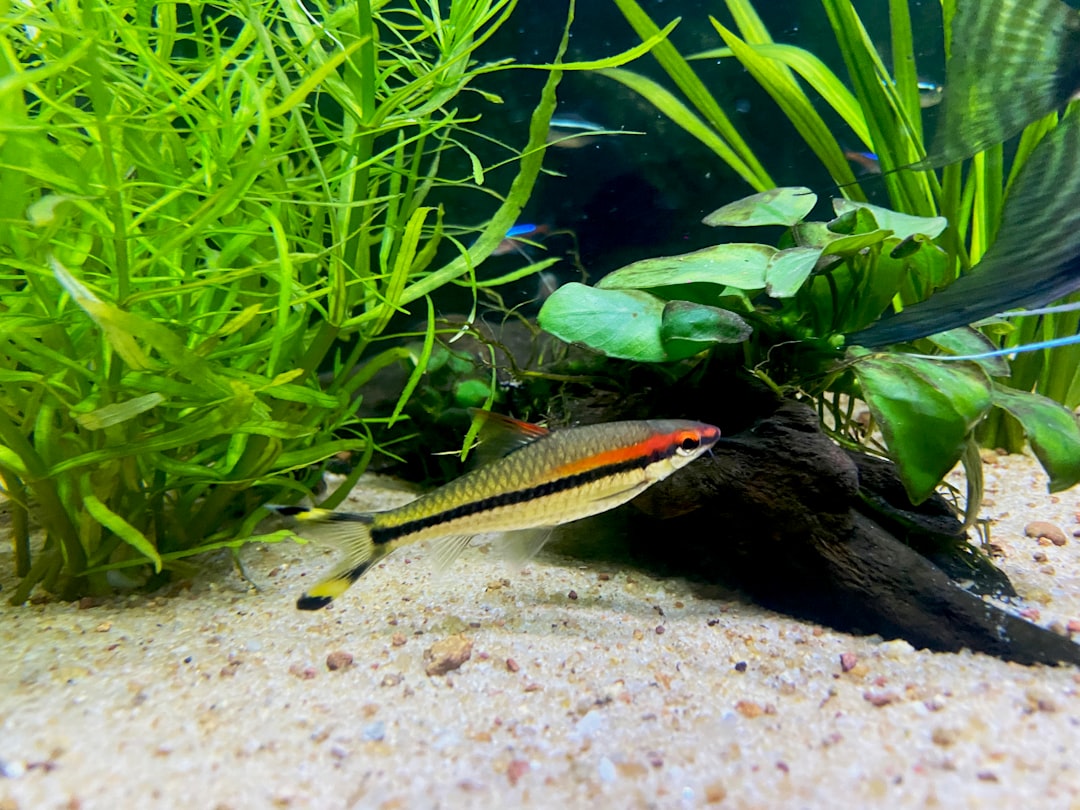
Table of Contents
- Introduction: The Torpedo Barb Family
- The Torpedo Barbs Compared
- Sahyadria denisonii (Denison Barb)
- Sahyadria chalakkudiensis (Chalakkudy Torpedo Barb)
- Tank Design for Fast-Swimming Barbs
- Chiller Requirements for Singapore
- Water Parameters
- Feeding
- Tank Mates
- Frequently Asked Questions
Introduction: The Torpedo Barb Family
The torpedo barbs of the genus Sahyadria are among the most dynamic freshwater fish you can keep. Named for their streamlined, bullet-shaped bodies and explosive swimming speed, these fish transform an aquarium into a living river display. They are the closest the planted tank hobby gets to keeping miniature rockets.
Most hobbyists know the Denison barb (Sahyadria denisonii), but the genus contains a lesser-known relative that deserves attention: Sahyadria chalakkudiensis, the Chalakkudy torpedo barb. This guide covers both species and, more broadly, addresses the tank design principles needed to keep any fast-swimming barb thriving in Singapore’s tropical climate.
At Gensou, with over 20 years of aquascaping experience in Singapore, we have designed numerous river-style tanks for torpedo barbs. The requirements are specific, but the results are spectacular.
The Torpedo Barbs Compared
| Feature | Sahyadria denisonii | Sahyadria chalakkudiensis |
|---|---|---|
| Common Name | Denison Barb / Red Line Torpedo Barb / Roseline Shark | Chalakkudy Torpedo Barb / Miss Kerala |
| Max Size | 10 – 15 cm | 10 – 12 cm |
| Red Stripe | Bold, extends from snout through eye towards mid-body | Present but typically shorter and less vivid |
| Black Stripe | Prominent, snout to tail | Present, similar |
| Body Shape | Classic torpedo | Slightly more slender |
| Dorsal Fin | Red leading edge less prominent | Often shows more red on dorsal |
| Temperature Range | 18 – 25 °C | 18 – 25 °C |
| SG Availability | Readily available | Rare; specialist imports |
| Price (Singapore) | $12 – $25 each | $20 – $40 each (when available) |
| Conservation Status | Endangered (IUCN) | Endangered (IUCN) |
Both species originate from the Western Ghats hill streams of Kerala, India. Both are listed as Endangered by the IUCN, primarily due to overcollection and habitat loss. The aquarium trade now relies heavily on captive-bred specimens, which is positive for conservation. When purchasing, ask your supplier whether the fish are captive-bred.
Sahyadria denisonii (Denison Barb)
The Denison barb is the flagship of the genus. Its striking red stripe running from snout through the eye, bold black lateral line and forked yellow-and-black tail create a colour combination that is both sophisticated and eye-catching. In a well-designed tank with proper lighting, a school of Denison barbs is mesmerising.
This species has been covered in depth in our Denison barb care guide. The key points: school of six minimum, 200-litre long tank minimum, and a chiller is essential in Singapore.
Sahyadria chalakkudiensis (Chalakkudy Torpedo Barb)
The lesser-known sibling, S. chalakkudiensis, shares the torpedo body shape and general colour pattern but differs in subtle details. The red stripe is typically shorter and less vivid, ending before the eye rather than extending through it. The dorsal fin may show more red colouration, and the overall body is slightly more slender.
In Singapore, S. chalakkudiensis is rarely available through regular retail channels. It appears occasionally through specialist importers and hobbyist groups. Care requirements are essentially identical to the Denison barb, including the need for a chiller. Hobbyists who manage to acquire them should follow the same protocols outlined for S. denisonii.
Some taxonomists have questioned whether S. chalakkudiensis is truly a separate species or a regional variant. For hobbyists, the distinction is largely academic — treat them identically and enjoy the rarity.
Tank Design for Fast-Swimming Barbs
Designing a tank for torpedo barbs requires a fundamentally different approach than a typical planted display. Speed is the defining characteristic of these fish, and the tank must accommodate it.
Length Over Everything
A 4-foot (120 cm) tank is the absolute minimum. A 5-foot or 6-foot tank is significantly better. Torpedo barbs swim in bursts that cover the full tank length in under a second. In a short tank, they spend their lives making U-turns, which causes chronic stress and abnormal behaviour. When planning for HDB or condo spaces, prioritise a long wall for the tank rather than trying to fit a cube into a corner.
River Aquascape Layout
The ideal layout channels the natural habitat of Western Ghats hill streams. Key design principles include:
- Open central lane: Keep the middle and front of the tank clear for swimming. All hardscape and dense planting should be at the sides and back.
- Smooth river stones: Rounded cobbles and boulders arranged along the sides create a naturalistic streambed. Avoid sharp edges that could injure fast-moving fish.
- Directional flow: Position the filter outlet at one end and the intake at the other to create a linear current the fish swim against. A wave maker or powerhead adds beneficial flow.
- Robust plants: Anubias on stones, Java fern on driftwood, Vallisneria (tolerates current), Cryptocoryne in sheltered spots behind stones.
Current and Flow
Torpedo barbs are riverine fish that thrive in moderate to strong current. Unlike most community fish that prefer calm water, torpedo barbs actively seek out flow and swim against it. A powerhead or wave maker creating 10 to 15 times tank volume turnover per hour is ideal. Position it so the current runs the length of the tank, and ensure there are calm zones behind large stones where the fish can rest.
Our aquascaping services include river-style tank designs specifically optimised for torpedo barbs and other current-loving species.
Chiller Requirements for Singapore
Both Sahyadria species require water temperatures of 18 to 25 degrees Celsius. Singapore’s ambient 28 to 32 degrees is too warm for healthy long-term keeping. A chiller is non-negotiable.
Chiller Sizing
| Tank Volume | Recommended Chiller | Target Temperature |
|---|---|---|
| 200 – 300 L | 1/4 HP minimum | 22 – 24 °C |
| 300 – 500 L | 1/3 HP minimum | 22 – 24 °C |
| 500+ L | 1/2 HP minimum | 22 – 24 °C |
Running Cost Considerations
A chiller running continuously in Singapore’s climate adds approximately $30 to $60 monthly to your electricity bill, depending on tank size, chiller efficiency, room temperature and insulation. This ongoing cost is a serious factor that must be budgeted for before committing to torpedo barbs. The fish themselves are premium-priced, the tank is large, and the chiller adds recurring expense. Plan honestly.
Placement matters: position the chiller in a well-ventilated area. In small HDB rooms, a chiller’s heat exhaust can raise ambient temperature, making the chiller work harder. If possible, exhaust the heat out of the room or into an air-conditioned space.
Water Parameters
| Parameter | Ideal Range | Notes for Singapore |
|---|---|---|
| Temperature | 18 – 25 °C | Chiller essential; target 22 – 24 °C |
| pH | 6.5 – 7.8 | SG tap water suitable |
| GH | 5 – 15 dGH | Moderate hardness; SG tap OK |
| KH | 3 – 10 dKH | SG tap water suitable |
| Ammonia / Nitrite | 0 ppm | Sensitive to water quality issues |
| Nitrate | Below 20 ppm | Weekly 25 – 30% water changes |
| Oxygen | High (well-aerated) | Ensure strong surface agitation |
Oxygenation is particularly important for torpedo barbs. Their active metabolism demands high dissolved oxygen levels. The combination of strong flow, surface agitation and cooler chiller-maintained temperatures helps maintain adequate oxygenation. An airstone provides additional insurance.
Feeding
Torpedo barbs are enthusiastic omnivores that burn energy quickly due to their constant activity.
- Staple: High-quality barb pellets, tropical flakes
- Protein: Frozen bloodworms, mysis shrimp, brine shrimp (3–4 times weekly)
- Vegetable: Blanched spinach, spirulina flakes, algae wafers
- Live foods: Blackworms, daphnia, adult brine shrimp
Feed two to three times daily in moderate amounts. Their fast metabolism means they process food quickly. Scatter food across the tank length so all fish in the school get a share — dominant individuals may otherwise monopolise a single feeding spot.
Tank Mates
Tank mates for torpedo barbs must meet two criteria: tolerance of cooler water (22 to 24 degrees in a chilled Singapore tank) and robustness to cope with the barbs’ vigorous activity.
Compatible Species
- Other barbs: Cherry barbs, gold barbs, rosy barbs
- Loaches: Yoyo loaches, hillstream loaches (excellent match)
- Corydoras: Bronze, sterbai (tolerates cooler temps)
- White Cloud Mountain minnows: Ideal temperature match
- Bristlenose plecos: Sturdy bottom-dwellers
Avoid
- Tropical species that need 26 degrees or above (most tetras, rams, bettas)
- Slow, delicate species that will be stressed by vigorous activity
- Very small fish that may be inadvertently consumed
Frequently Asked Questions
Are Denison barbs and red line torpedo barbs the same fish?
Yes. Sahyadria denisonii is sold under multiple common names: Denison barb, red line torpedo barb, roseline shark and Miss Kerala (though this last name more properly refers to S. chalakkudiensis). All these names describe the same species. The multiple names cause confusion but the care requirements are identical regardless of which label your fish shop uses.
Can I keep torpedo barbs in an uncooled tank in Singapore?
Not for long-term health. While they may survive temporarily at 28 to 30 degrees, chronic heat stress leads to reduced lifespan, faded colour, poor appetite and increased disease susceptibility. If the chiller investment is beyond your budget, consider beautiful barb alternatives that thrive in tropical heat: cherry barbs, gold barbs or tiger barbs all deliver colour and activity without cooling costs.
Why do my torpedo barbs glass-surf constantly?
Glass-surfing (repeatedly swimming along the glass) often indicates the tank is too short. Torpedo barbs need a long swimming lane, and if the tank does not provide it, they pace back and forth against the glass instead. Other causes include insufficient school size (add more fish to reach at least six), poor water quality or inappropriate temperature. Address the most likely cause first — in Singapore, temperature is often the culprit.
Are torpedo barbs endangered?
Both Sahyadria species are listed as Endangered by the IUCN. Wild populations in Kerala have declined due to overcollection for the aquarium trade and habitat degradation. The good news is that captive breeding is now well-established, and most specimens available in Singapore are tank-bred. Support responsible sourcing by asking your supplier about the origin of their fish. Our maintenance team can recommend ethical suppliers.
Design Your Torpedo Barb Tank
Keeping torpedo barbs in Singapore is a commitment to quality: quality equipment, quality tank design and quality ongoing care. The chiller, the long tank, the river-style aquascape — these are investments that reward you with one of the freshwater hobby’s most dynamic displays.
Visit us at Gensou, 5 Everton Park, Singapore to discuss your torpedo barb project. With over two decades of aquascaping experience in Singapore, we specialise in designing chilled, river-style tanks that showcase fast-swimming species at their very best.
Related Reading
- How to Breed Red Cherry Barbs: Easy Egg Scatterers for Beginners
- How to Breed Cherry Barbs: From Courtship to Free-Swimming Fry
- Cherry Barb vs Gold Barb: Colour, Size and Temperament Compared
- Colombian Blue and Red Tetra Care Guide: Kerri Tetra Brilliance
- Coral Red Pencilfish Care Guide: Crimson Hovering Beauty

emilynakatani
Still Have Questions About Your Tank?
Drop by Gensou Aquascaping — most walk-in questions get answered in under 10 minutes by someone who has set up hundreds of tanks.
5 Everton Park #01-34B, Singapore 080005 · Open daily 11am – 8pm


