
Diamond Tetra Care Guide: The Sparkle of South America
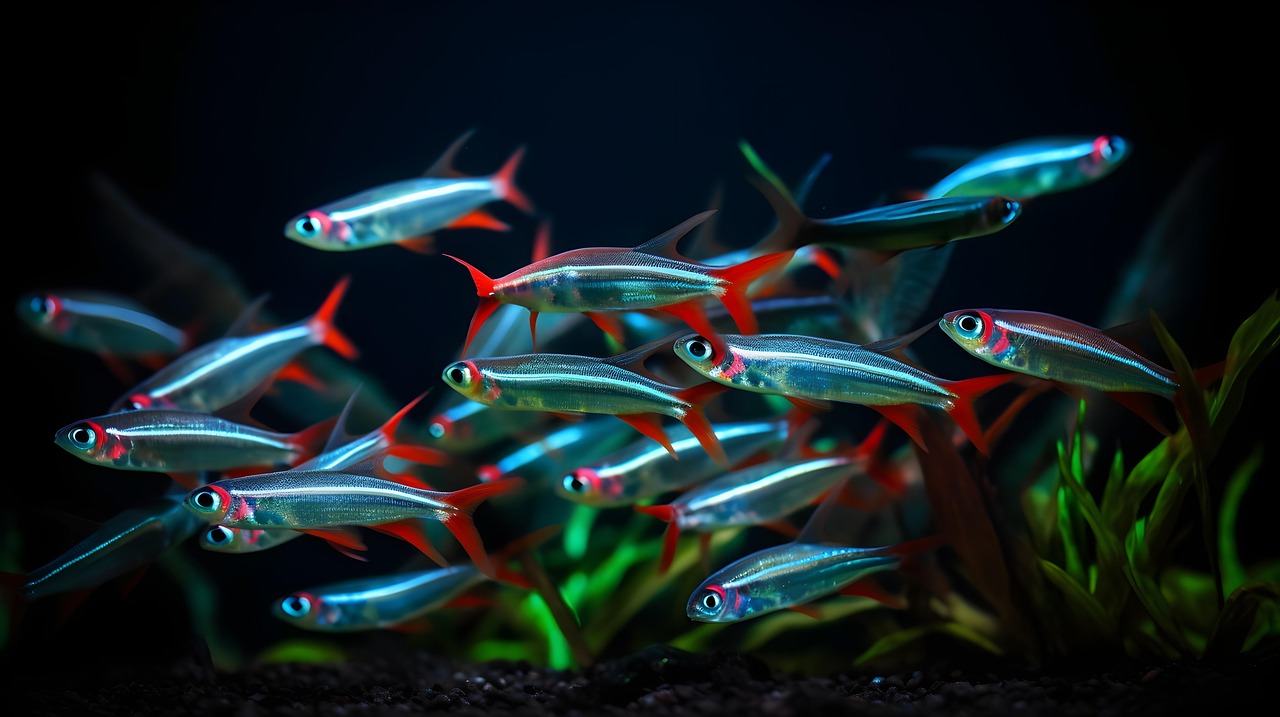
The diamond tetra (Moenkhausia pittieri) is one of the most underrated freshwater fish in the hobby. When mature and kept in good conditions, every scale catches the light like a tiny mirror, producing a shimmering, diamond-like sparkle that is genuinely breathtaking. Add to this the flowing fins of mature males and you have a fish that deserves far more attention than it receives. This diamond tetra care guide covers everything you need to know about keeping these sparkling South American beauties in Singapore. This guide sits inside our broader Tropical Fish Species Master Index reference.
About Diamond Tetras
Diamond tetras originate from Lake Valencia and its surrounding tributaries in Venezuela. First described in 1920, they have been available in the aquarium trade for decades, yet they remain overshadowed by flashier species like neon tetras and cardinal tetras.
The irony is that a mature diamond tetra in peak condition is more visually spectacular than most of the species that outsell it. The problem is that diamond tetras sold in shops are usually juveniles that look rather plain, silvery and unremarkable. It takes patience and good care to unlock their full potential, and many hobbyists never see what they are capable of.
Diamond tetras are members of the family Characidae and belong to the genus Moenkhausia. They are a medium-sized tetra, reaching approximately 6 cm in length, which places them between the small community tetras and the larger species like Congo tetras.
Appearance and Sexual Differences
The defining feature of the diamond tetra is its scales. Each scale has a highly reflective quality that scatters light, producing an effect that genuinely resembles scattered diamonds. Under good LED lighting, the fish appears to glitter as it moves.
The base body colour is silver-grey with golden and green undertones. A faint dark lateral line may be visible. The dorsal fin is tall with a dark anterior edge.
Males and females are distinguishable once mature:
| Feature | Male | Female |
|---|---|---|
| Dorsal fin | Long, flowing, with extended rays | Shorter, rounded |
| Anal fin | Elongated with trailing edge | Shorter |
| Body shape | Deeper, slightly larger | Rounder when gravid |
| Colouration | More intense sparkle, violet hues | Sparkle present but less vivid |
| Size | Up to 6 cm | Up to 5 cm |
Mature males are genuinely impressive fish. The elongated dorsal and anal fins trail elegantly as they swim, and the iridescent sparkle across the body intensifies with age and good nutrition. It can take six to twelve months for diamond tetras to develop their full finnage and colour.
Tank Requirements
Diamond tetras are active, mid-water schooling fish that need adequate swimming space:
- Minimum tank size: 80 litres for a group of six
- Ideal tank size: 120 litres or more for a school of eight to ten
- School size: minimum six, ideally eight or more
- Tank shape: standard rectangular tanks work well; longer is better than taller
Diamond tetras look their best against a dark background and substrate. A dark sand or aquasoil substrate dramatically enhances the reflective sparkle. Good quality LED lighting is essential to showcase the diamond effect; without it, these fish look ordinary.
Provide a mix of planted areas and open swimming space. Driftwood and smooth stones create a natural-looking environment. Plants like Cryptocoryne, Java fern and Anubias work well and provide shelter. Floating plants add a natural feel and help the fish feel secure, but avoid blocking all light from above as you need good illumination to enjoy the sparkle.
Water Parameters
| Parameter | Ideal Range | SG Tap Water |
|---|---|---|
| Temperature | 24-28 C | 28-32 C (ambient) |
| pH | 6.0-7.5 | 6.5-7.5 |
| GH | 2-15 dGH | 1-4 dGH |
| KH | 2-8 dKH | 1-3 dKH |
Diamond tetras are adaptable fish that handle a reasonable range of parameters. Singapore’s soft, slightly acidic tap water suits them well. The ambient temperature of 28-30 C is at the upper edge of their comfort zone but is generally tolerated without issue, especially if the tank is well-oxygenated.
Good oxygenation becomes more important at higher temperatures, as warm water holds less dissolved oxygen. Ensure adequate surface agitation through your filter output or an additional airstone. This is particularly relevant during Singapore’s hottest periods when indoor temperatures in HDB flats can push water temperatures above 30 C.
Always condition tap water to neutralise chloramine before adding it to the aquarium. PUB treats Singapore’s water supply with chloramine, which requires a dechlorinator specifically formulated to handle it.
Feeding
Diamond tetras are enthusiastic omnivores that accept a wide variety of foods:
- Staple: quality flake food or small floating/slow-sinking pellets
- Frozen foods: bloodworms, brine shrimp, daphnia and mysis shrimp
- Live foods: daphnia, brine shrimp and mosquito larvae
- Vegetable matter: spirulina-enriched foods and blanched vegetables occasionally
A varied diet is key to bringing out the full sparkle. Fish fed only on basic flake food never achieve the same level of iridescence as those given a diverse, protein-rich diet with regular live or frozen offerings. Feed two to three times daily in modest portions.
Diamond tetras are enthusiastic feeders and not shy at mealtimes, which makes them easy to feed in a community setting. They feed primarily from the mid-water column and surface.
Tank Mates
Diamond tetras are peaceful community fish with a lively but non-aggressive demeanour. They integrate well with a wide range of species:
- Other medium-sized tetras (Congo tetras, black neon tetras, rummy-nose tetras)
- Rasboras (harlequin, lambchop)
- Corydoras catfish
- Peaceful dwarf cichlids (Apistogramma, rams)
- Gouramis (honey gourami, pearl gourami)
- Rainbowfish
- Bristlenose plecos and otocinclus
- Cherry shrimp and Amano shrimp
Avoid aggressive or overly territorial species. Diamond tetras hold their own well in community tanks due to their size and confidence, but genuinely aggressive fish will suppress their natural behaviour and colour.
Males occasionally spar with each other, flaring fins and circling, but this is harmless display behaviour rather than aggression. It is actually entertaining to watch and shows the fish are in good health and comfortable in their environment.
Breeding
Diamond tetras can be bred in captivity, though it requires some preparation:
- Set up a separate 40-60 litre breeding tank with fine-leaved plants or spawning mops
- Use soft, slightly acidic water (pH 6.0-6.5, GH 2-6 dGH)
- Temperature at 26-28 C
- Condition a pair with protein-rich foods for two to three weeks
- Dim lighting with morning light sometimes triggering spawning behaviour
The female scatters several hundred eggs among plants and substrate. Parents will consume their own eggs, so remove the adults promptly after spawning. Eggs hatch within 24-36 hours, and fry become free-swimming approximately three to four days later.
Feed fry with infusoria or liquid fry food initially, graduating to newly hatched brine shrimp after the first week. Growth is steady, but do not expect the diamond sparkle to develop until the fish are several months old.
Why Diamond Tetras Are Underrated
Diamond tetras suffer from a problem of first impressions. In a shop tank under fluorescent lighting, juveniles look like plain silver fish. Nothing about them screams “buy me” when they are next to a tank full of brightly coloured guppies or neon tetras.
But give diamond tetras six months in a well-maintained tank with good lighting, dark substrate and a varied diet, and they transform into something extraordinary. The sparkle that develops across every scale is unique in the freshwater hobby. No photograph fully captures the effect; it must be seen in person.
Add to this the flowing fins of mature males, their hardy constitution, peaceful temperament and ease of care, and diamond tetras deserve to be considered among the best community fish available. They are particularly well-suited to Singapore conditions, requiring no special equipment beyond standard tropical aquarium basics.
Frequently Asked Questions
Why do my diamond tetras look plain and not sparkly?
Several factors contribute: juvenile fish have not yet developed full iridescence (allow six to twelve months), poor lighting fails to show the sparkle (invest in good LED lights), light-coloured substrates wash out the effect (switch to dark sand or soil) and a poor diet limits colour development (vary the diet with frozen and live foods). Stress from small group size or aggressive tank mates also dulls their appearance.
Are diamond tetras fin nippers?
Diamond tetras are not habitual fin nippers. Males occasionally display to each other by flaring fins, and there may be very mild chasing, but this is normal social behaviour. They do not target the fins of other species and are safe to keep with long-finned fish in community tanks.
Can diamond tetras handle Singapore’s warm water?
Yes. While their ideal temperature range tops out at 28 C, diamond tetras tolerate Singapore’s ambient temperatures of 28-30 C without significant issues, provided the tank is well-oxygenated. Ensure good surface agitation and avoid overstocking, and they will do well without a chiller in most HDB and condo setups.
Discover the Diamond Sparkle
Diamond tetras are a hidden gem in the truest sense. If you are looking for a community fish that offers something genuinely special and thrives in Singapore conditions, these sparkling South Americans deserve a place in your tank. Visit our shop or get in touch with our team at 5 Everton Park to learn more. We also design custom aquariums that bring out the best in every species we stock.
Related Reading



