
Spotted Raphael Catfish Care Guide: Armoured and Vocal
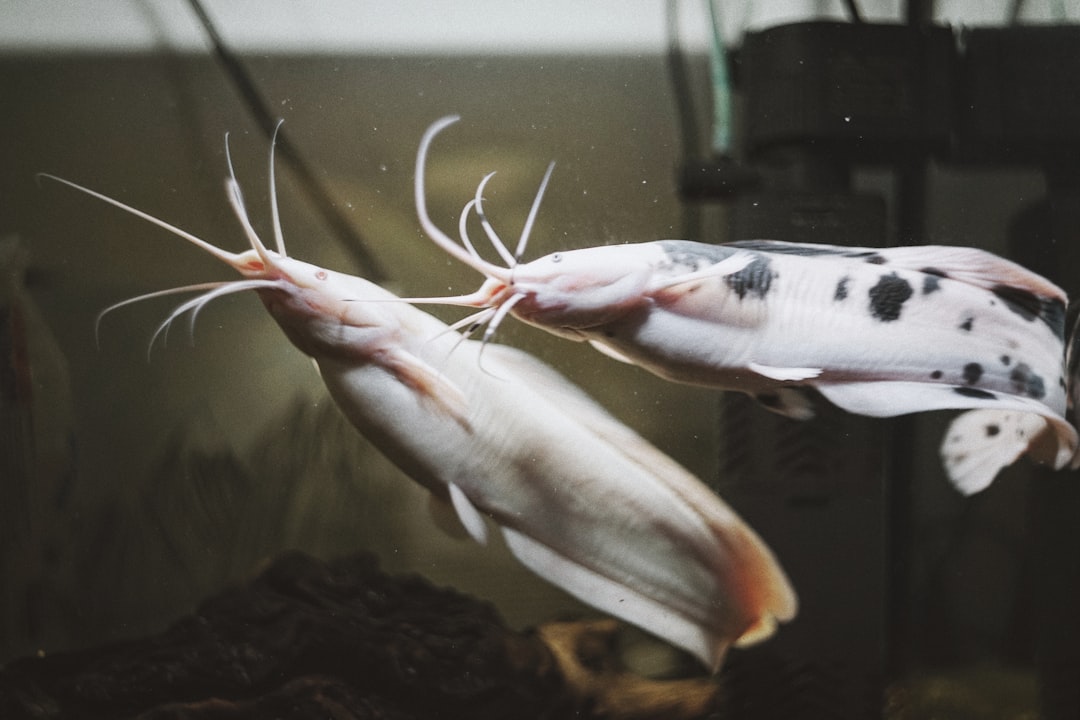
This spotted raphael catfish care guide introduces a hardy, characterful bottom-dweller that has earned a loyal following among hobbyists in Singapore. At Gensou Aquascaping, 5 Everton Park, we value the spotted Raphael for its armoured good looks, peaceful temperament and remarkable ability to produce audible sounds.
Species Overview and Origin
The spotted Raphael catfish (Agamyxis pectinifrons) belongs to the family Doradidae, commonly known as thorny or talking catfish. Native to the Amazon basin in Peru, Bolivia, Brazil and Ecuador, it inhabits slow-moving rivers, flooded forests and oxbow lakes with soft, muddy bottoms. Adults grow to 15 to 18 centimetres and are covered in bony plates studded with small thorns, giving them a formidable appearance. Their dark brown to black body is decorated with conspicuous white or cream spots. When handled or stressed, they produce a characteristic croaking sound by stridulating their pectoral fin spines, which is how they earn the “talking catfish” label.
Tank Size and Setup
A single spotted Raphael catfish requires a minimum tank volume of 150 litres, with larger tanks needed if keeping multiple individuals or a community. Provide a soft, sandy substrate to protect their barbels, which they use extensively to forage along the bottom. Plenty of hiding spots are essential, as this species is strictly nocturnal and spends all daylight hours concealed. Use driftwood, rock caves, PVC pipes or coconut shells to create secure retreats. Plants can be included but are not a priority for the fish itself. Dim lighting or shaded areas encourage the catfish to emerge earlier in the evening.
Water Parameters
Spotted Raphael catfish tolerate a broad range of water conditions, making them well suited to Singapore’s tap water. Aim for a pH of 5.8 to 7.5, a temperature of 24 to 28 degrees Celsius and hardness of 2 to 20 dGH. Maintain ammonia and nitrite at zero and nitrate below 30 parts per million. Their hardy constitution does not excuse poor maintenance; consistent weekly water changes of 25 per cent and reliable filtration remain important. A canister filter or large sponge filter provides adequate biological and mechanical capacity for this moderate waste producer.
Diet and Feeding
Spotted Raphael catfish are omnivorous scavengers. In the wild, they consume insect larvae, worms, crustaceans and organic detritus. In the aquarium, offer sinking pellets, algae wafers, frozen bloodworms, brine shrimp and chopped prawns. Because they are nocturnal, feed them after lights-out to ensure they receive their share before diurnal tankmates consume everything. Drop food near their hiding places for best results. These catfish are not fussy eaters but benefit from dietary variety, which supports immune function and longevity.
Behaviour and Unique Traits
The spotted Raphael is one of the most placid catfish available. It rarely shows aggression towards any tankmate and spends the vast majority of its time hidden. When it does emerge at night, it methodically combs the substrate with its sensitive barbels, searching for food with impressive thoroughness. The species’ sound-producing ability is a fascinating trait; croaking noises can sometimes be heard even outside the tank. Handle these fish with extreme caution during netting, as their serrated pectoral spines can become entangled in nets and cause injury to both fish and keeper. Use a plastic container rather than a net when moving them.
Compatible Tankmates
Almost any peaceful to semi-aggressive community fish pairs well with the spotted Raphael. Good companions include medium-sized tetras, barbs, gouramis, angelfish, Corydoras and other non-territorial catfish. They coexist peacefully with cichlids that are not excessively aggressive. Avoid very small fish such as neon tetras in the same tank, as the Raphael may opportunistically consume them during nocturnal forays. Shrimp are also at risk. At Gensou Aquascaping, we recommend combining them with mid-water and upper-dwelling species that remain active during the day, creating visual interest around the clock.
Breeding Spotted Raphael Catfish
Breeding spotted Raphael catfish in captivity is extremely rare and not well documented. They are believed to be egg scatterers that may require hormonal induction to spawn in an aquarium setting. Sexing is difficult, though mature females tend to appear slightly rounder when viewed from above. If breeding is your goal, provide a large, well-matured tank with soft, acidic water and an abundance of hiding places. Most specimens available in the Singapore market are wild-caught, which underscores the difficulty of captive propagation.
Health and Longevity
Spotted Raphael catfish are remarkably long-lived, with well-cared-for specimens reaching 15 to 20 years or more in captivity. They are resistant to most common diseases but can fall victim to ich or bacterial infections when water quality deteriorates. Their armoured skin provides some physical protection, but internal ailments from poor diet or chronic stress can still occur. Quarantine new arrivals and observe feeding behaviour closely during the first weeks. For dependable sourcing and care advice tailored to Singapore’s conditions, visit Gensou Aquascaping at 5 Everton Park.
Related Reading



